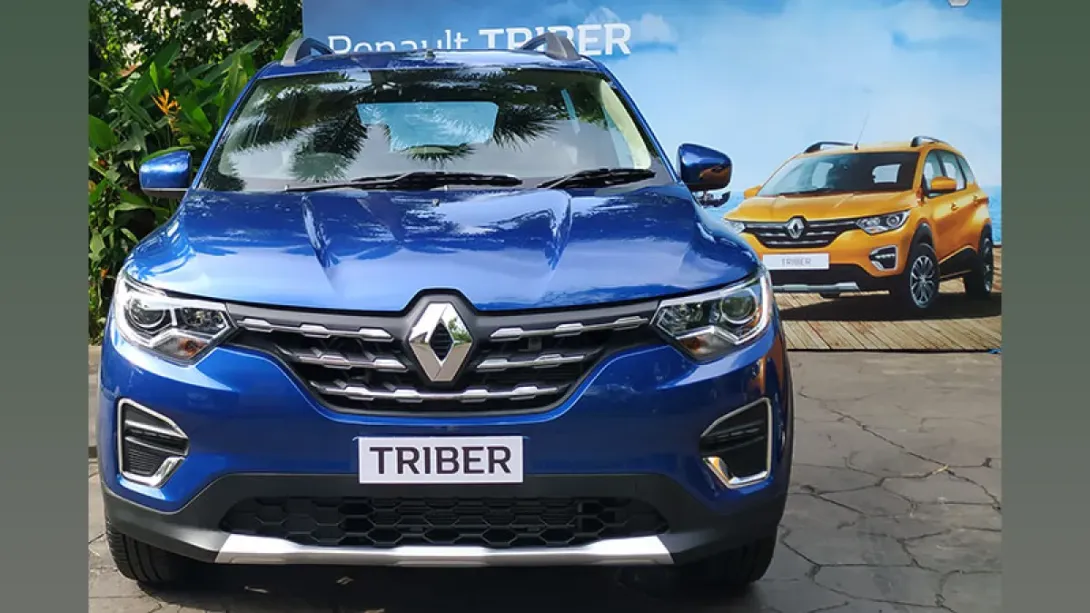
Renault has outlined an ambitious roadmap to capture a 5% share of India’s passenger vehicle market by 2030, signaling a renewed commitment to one of the world’s fastest-growing auto markets. The French automaker plans to achieve this through a combination of new product launches, deeper localization, and expanded manufacturing capabilities. Analysts view the strategy as a recalibration of Renault’s India operations, focused on cost competitiveness and relevance to local consumer preferences. With rising demand for affordable, feature-rich vehicles and increased competition, Renault’s success will hinge on execution, product differentiation, and supply chain efficiency.
A Renewed Focus on the Indian Market
Renault’s market share target reflects a strategic reassessment of its long-term presence in India. After a period of consolidation, the company is sharpening its focus on sustainable growth by aligning its global platforms with Indian market needs. Industry experts note that India remains a critical growth driver as demand for personal mobility continues to expand, supported by urbanization and rising disposable incomes.
Product Strategy and Model Pipeline
Central to Renault’s plan is a refreshed product portfolio tailored to Indian consumers. The automaker intends to introduce new models across key segments, including compact cars and SUVs, which account for the bulk of domestic demand. Analysts suggest that competitive pricing, enhanced safety features, and fuel efficiency will be essential to gain traction in a crowded market dominated by established players.
Localization and Manufacturing Efficiency
Renault is placing strong emphasis on localization to control costs and improve supply chain resilience. Increasing the share of locally sourced components is expected to reduce exposure to currency fluctuations and import duties. The company’s manufacturing facility in India is likely to play a pivotal role, serving both domestic sales and potential export markets, thereby improving capacity utilization and operating leverage.
Competitive Landscape and Market Challenges
India’s passenger vehicle market is highly competitive, with both global and domestic manufacturers vying for market share. Analysts caution that achieving a 5% share will require consistent execution, dealer network expansion, and sustained brand investment. Pricing pressures, evolving emission norms, and rapid shifts toward electrification also pose challenges that Renault will need to navigate carefully.
Analyst Perspective and Outlook
Market observers view Renault’s 2030 target as achievable but demanding. Success will depend on the company’s ability to deliver relevant products on time, manage costs effectively, and adapt to changing consumer preferences. Strategic partnerships and technology sharing could further strengthen its position in the Indian market over the long term.
Conclusion:
Renault’s ambition to secure a 5% share of India’s passenger vehicle market by 2030 underscores its confidence in the country’s long-term growth potential. By focusing on new models, localization, and operational efficiency, the automaker aims to build a sustainable and competitive presence. The coming years will be critical in determining whether Renault can translate its strategy into meaningful market share gains in an increasingly competitive landscape.
Comments