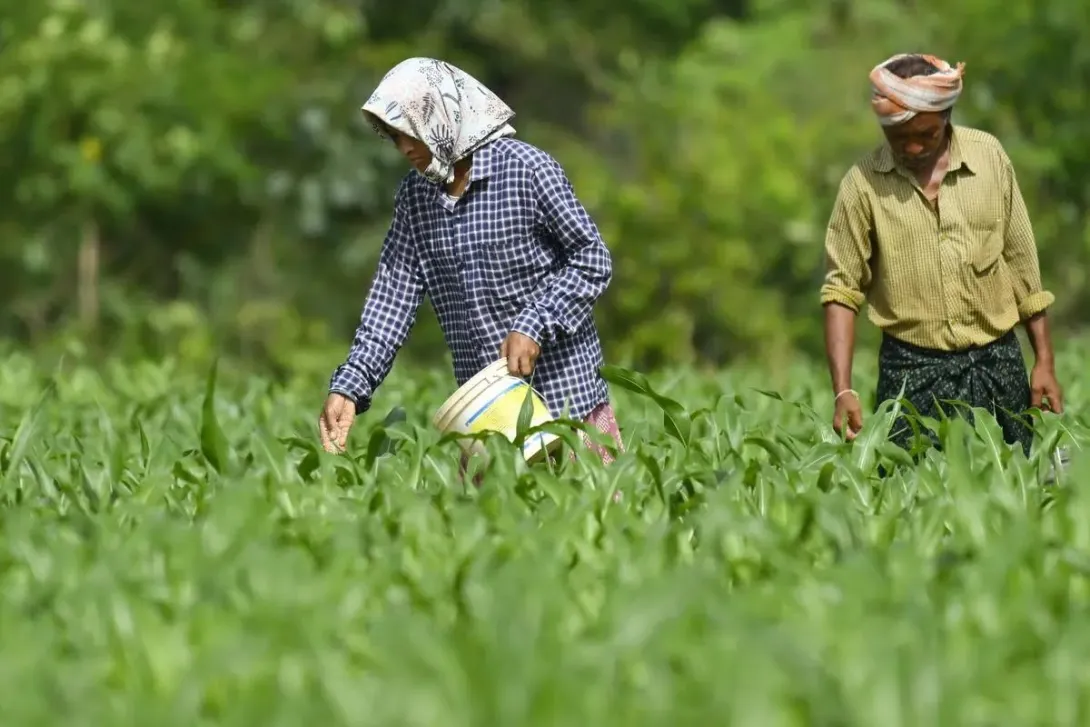
India’s fertiliser imports from Russia surged 20 percent in the latest fiscal cycle, underscoring Moscow’s expanding role as a key supplier to the world’s largest agricultural economy. The increase comes at a time when New Delhi is seeking to stabilize input costs for farmers and ensure adequate availability of nutrients amid global supply disruptions. This upward trend also signals a deepening of economic cooperation between the two nations, extending beyond traditional energy trade and into critical sectors such as agriculture and food security.
Surge in Fertiliser Shipments
According to trade data, Russian fertiliser exports to India recorded a year-on-year growth of 20 percent. The rise is attributed to competitive pricing, reliable supply chains, and India’s ongoing efforts to diversify its import base. Fertilisers such as urea, potash, and diammonium phosphate (DAP) accounted for the bulk of shipments, aligning with India’s peak demand for the upcoming sowing season.
Importance for Indian Agriculture
The increase in imports is significant for India, where fertilisers form the backbone of its agricultural productivity. With rising global commodity prices and geopolitical tensions straining supply chains, India’s ability to secure steady inflows from Russia ensures cost stability for farmers. The government’s subsidies on fertiliser distribution, which already represent a large portion of agricultural expenditure, will likely be cushioned by these additional volumes.
Strategic Dimension of Trade
Beyond the economics, the uptick in fertiliser trade illustrates the growing strategic partnership between India and Russia. While energy imports, particularly crude oil, dominate bilateral commerce, fertilisers represent a vital area that directly impacts India’s food security. Analysts suggest that India’s procurement of fertilisers from Russia also mitigates risks arising from dependence on other regions, particularly amid fluctuating global trade dynamics.
Policy and Market Implications
For policymakers, the surge presents both opportunities and challenges. On the one hand, it supports India’s goal of securing affordable agricultural inputs and reducing exposure to global price volatility. On the other, the growing reliance on Russia raises questions about diversification, especially as India balances its international relations with Western economies that remain cautious about Moscow’s global trade footprint.
Conclusion
Russia’s 20 percent rise in fertiliser exports to India reflects more than a commercial transaction; it represents a strategic alignment in a sector critical to national food security. For India, the imports are not merely about meeting seasonal demand but about reinforcing the stability of its agricultural backbone. Going forward, the sustainability of this partnership will depend on how New Delhi balances geopolitical considerations with its pressing domestic priorities in agriculture.
Comments