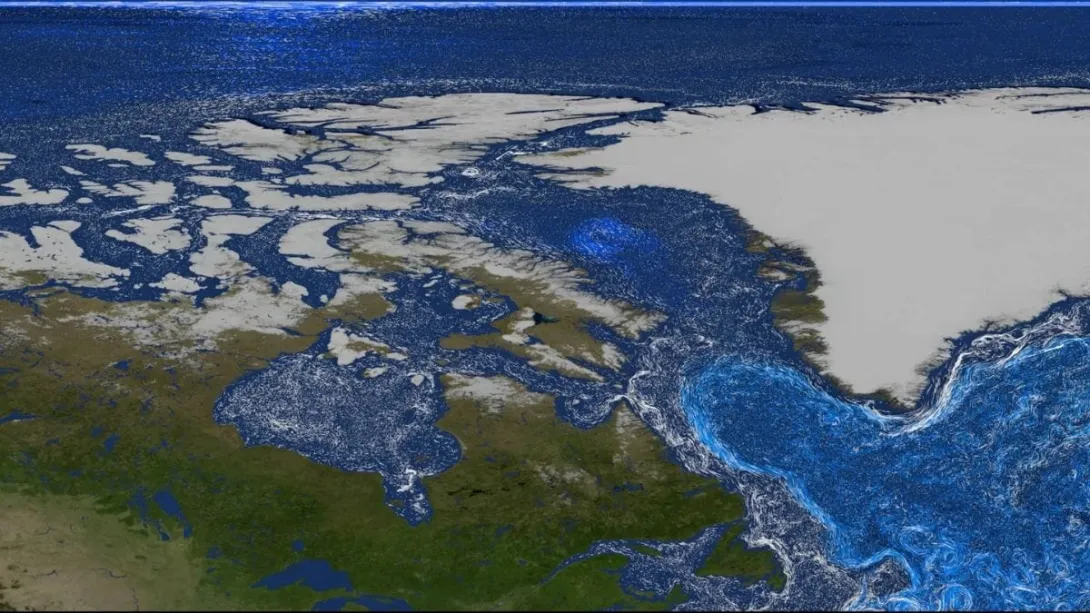
New scientific research has uncovered a paradoxical effect of Greenland’s rapidly melting glaciers: while contributing to rising sea levels and climate instability, the meltwater is also nourishing marine ecosystems. The study highlights how nutrient-rich sediments released into surrounding oceans support phytoplankton blooms—the foundation of the marine food chain. These microscopic organisms, in turn, sustain fish populations and higher predators, forming a critical link in oceanic biodiversity. The findings add a complex dimension to the conversation on climate change, revealing that the same processes driving environmental risk can also temporarily enhance ecological productivity in affected regions.
---
Nutrients from Ice to Ocean
As Greenland’s glaciers melt, they release vast volumes of freshwater laden with finely ground rock particles known as glacial flour. These sediments are rich in minerals, including iron and silica, which act as essential nutrients for phytoplankton growth. The study’s authors observed that seasonal pulses of meltwater into coastal seas correspond with significant increases in phytoplankton density, particularly during the summer months when sunlight is abundant. This surge in primary productivity fuels the broader food web, supporting fish stocks vital to both local fisheries and global seafood markets.
The Climate Change Paradox
While this nutrient boost benefits marine life in the short term, the broader implications of glacial melt remain deeply concerning. The accelerated loss of ice from Greenland is one of the largest contributors to global sea-level rise, posing severe threats to coastal cities, infrastructure, and ecosystems worldwide. Additionally, changes in ocean salinity and temperature caused by excessive meltwater can disrupt marine circulation patterns, potentially offsetting the ecological gains observed in the nearshore environment. Scientists warn that the temporary benefits should not overshadow the long-term consequences of continued ice loss.
Economic and Ecological Implications
For Greenland’s coastal communities, increased phytoplankton productivity can translate into improved fishery yields, offering short-term economic opportunities. However, these gains are highly dependent on the stability of marine ecosystems, which remain vulnerable to broader climatic shifts. Global seafood supply chains could experience localized benefits, but they also face long-term uncertainty if rising sea levels and changing ocean chemistry alter fish migration and spawning grounds. Policymakers and industry stakeholders may need to balance the exploitation of this productivity surge with sustainable management practices to avoid ecological collapse.
Looking Ahead
The study underscores the interconnectedness of Earth’s climate and ecological systems. Greenland’s glaciers, once seen solely as passive indicators of warming, are now recognized as active participants in shaping ocean health—both positively and negatively. As climate change accelerates, understanding these feedback loops will be essential for crafting adaptive strategies that protect biodiversity, support livelihoods, and mitigate environmental harm. While the nutrient flow from glacial melt may offer a fleeting boost to marine life, the overarching priority remains reducing greenhouse gas emissions to slow the pace of ice loss and safeguard the planet’s future.
Comments