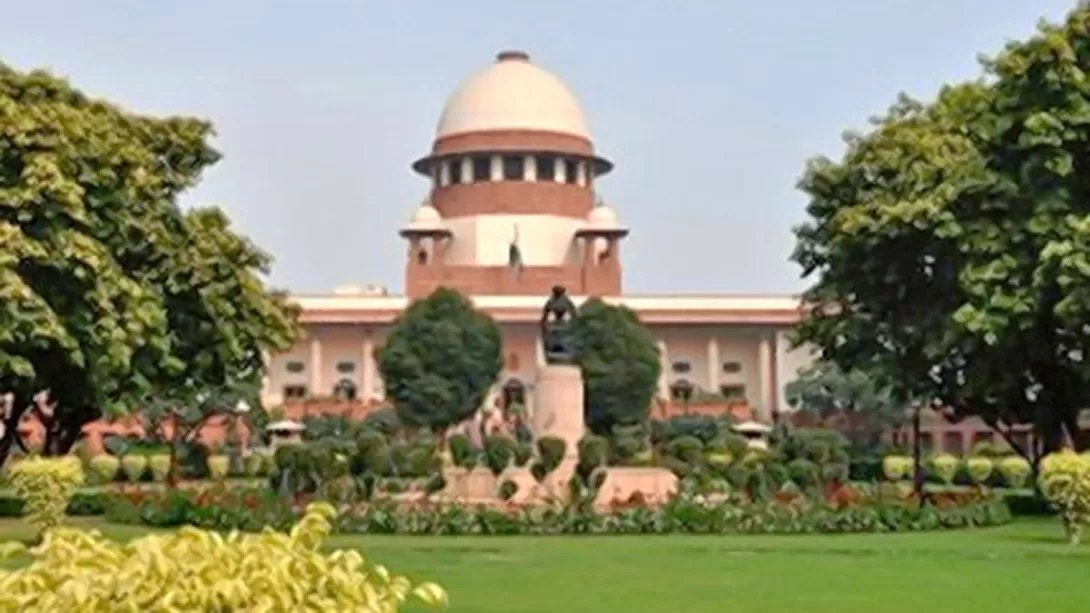
The Supreme Court on June 9, 2025, declined Tamil Nadu’s oral request for an urgent hearing of its original suit challenging the central government’s withholding of over Rs 2,000 crore in education funds under the Samagra Shiksha Scheme. Tamil Nadu had sought immediate judicial intervention to address the alleged disruption in the annual allocation critical for its education programs. The Supreme Court’s refusal signals a procedural stance, postponing a substantive resolution in a dispute with significant implications for educational funding and governance in the state.
Background of the Fund Withholding Dispute
Tamil Nadu’s contention centers around the central government’s suspension of its annual educational funding share, specifically exceeding Rs 2,000 crore allocated under the Samagra Shiksha Scheme—a flagship program aimed at holistic school education development across India. The state argues that this interruption adversely impacts the implementation of vital education initiatives, potentially compromising student welfare and institutional efficacy.
Supreme Court’s Refusal to Expedite Hearing
On June 9, the Supreme Court dismissed Tamil Nadu’s oral plea for an urgent listing of the matter. The petition, framed as an original suit, sought swift judicial recourse citing the immediacy and magnitude of the funding freeze. The Court’s decision to deny an expedited hearing implies that Tamil Nadu’s legal arguments will be heard in due course but without the accelerated timetable requested.
This procedural decision highlights the judiciary’s caution in handling urgent public finance disputes, balancing the need for thorough deliberation against the urgency of developmental concerns.
Implications for Tamil Nadu’s Education Sector
The withholding of funds exceeding Rs 2,000 crore threatens to disrupt several educational programs, including infrastructure development, quality enhancement, and inclusive education measures under the Samagra Shiksha umbrella. Delays or reductions in funding can stall ongoing projects, hamper teacher training, and adversely affect student learning outcomes.
The standoff underscores tensions between federal and state governments regarding resource allocation and autonomy in implementing centrally sponsored schemes, raising broader questions about fiscal federalism in India’s education governance framework.
Outlook and Legal Path Forward
While the Supreme Court’s refusal to list the case urgently is a procedural setback for Tamil Nadu, it does not preclude a substantive hearing in the near future. The state government is expected to pursue its claims through established legal channels, seeking a resolution that restores funding and ensures continuity in education services.
The outcome of this dispute will have critical ramifications not only for Tamil Nadu’s educational development but also for precedent-setting in center-state financial relations and administrative accountability within the framework of central schemes.
In sum, the Supreme Court’s measured approach preserves judicial impartiality while underscoring the need for a balanced adjudication on disputes involving substantial public funds and developmental imperatives.
Comments