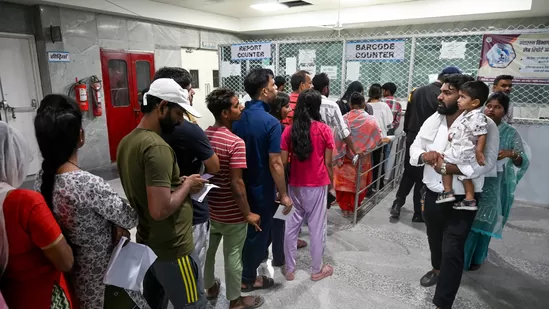
India is witnessing a resurgence in COVID-19 cases, with active infections surpassing the 4,000 mark within a span of three days. The southern states of Kerala, Maharashtra, and Gujarat are reporting the highest number of new cases. The Ministry of Health and Family Welfare has confirmed five new fatalities, all involving individuals with underlying health conditions. This uptick in cases has prompted renewed vigilance and preventive measures across the country.
Active COVID-19 Cases in India
As of June 3, 2025, India recorded 4,026 active COVID-19 cases, marking a significant increase from 3,961 the previous day. This surge is attributed to the spread of newer subvariants, including JN.1 and NB.1.8.1, which have shown higher transmissibility. The majority of active cases are concentrated in Kerala, Maharashtra, Gujarat, Delhi, West Bengal, Karnataka, Tamil Nadu, and Uttar Pradesh. Despite the rise in cases, the national recovery rate remains high, with over 270,000 recoveries reported in the past 24 hours.
Regional Breakdown of New Cases
- Kerala: The state continues to be the epicenter, reporting 1,416 new cases in the last 24 hours.
- Maharashtra: Recorded 494 new infections, with a notable increase in districts like Sindhudurg.
- Gujarat: Added 397 new cases, contributing significantly to the national tally.
- Delhi: Reported 393 new cases, indicating a sharp rise compared to previous weeks.
- West Bengal: Logged 372 new infections, with Kolkata being the most affected city.
- Karnataka: Added 311 new cases, primarily in Bengaluru.
- Tamil Nadu: Reported 215 new infections, with Chennai accounting for the majority.
- Uttar Pradesh: Recorded 138 new cases, showing a steady increase over the past week.
COVID-19 Related Deaths
India reported five new COVID-19 related deaths between June 2 and June 3. The victims were:
- Kerala: An 80-year-old male with severe pneumonia, acute respiratory distress syndrome, diabetes mellitus, hypertension, and coronary artery disease.
- Maharashtra: A 70-year-old female with diabetes mellitus, and a 73-year-old female with diabetes mellitus and hypertension.
- Tamil Nadu: A 69-year-old female with type 2 diabetes mellitus and Parkinson's disease.
- West Bengal: A 43-year-old female with acute coronary syndrome, septic shock, and acute kidney injury.
These cases underscore the vulnerability of individuals with pre-existing health conditions to severe outcomes from COVID-19.
Government Response and Public Health Measures
In response to the rising cases, the Union Health Ministry has intensified surveillance and testing protocols. States have been advised to conduct regular mock drills to ensure preparedness in handling potential surges. Health Secretary Rajesh Bhushan emphasized the importance of increasing RT-PCR testing and whole genome sequencing to track the spread of new variants. Additionally, the government continues to promote COVID-19-appropriate behavior, including mask-wearing and social distancing, especially in high-risk areas.
Conclusion
The recent uptick in COVID-19 cases in India serves as a reminder of the ongoing challenges posed by the pandemic. While the majority of cases remain mild, the emergence of new variants and the concentration of infections in specific regions necessitate continued vigilance and adherence to public health guidelines. The government's proactive measures, coupled with public cooperation, will be crucial in mitigating the impact of this resurgence.
Comments