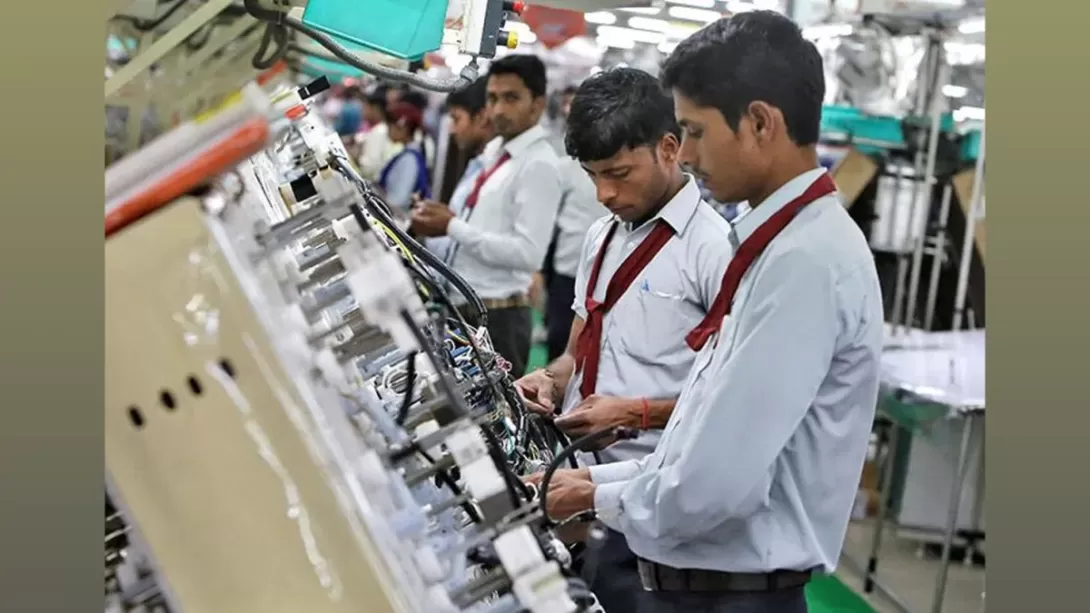
Tamil Nadu has launched the ambitious "Tamil Nadu Electronics Components Manufacturing Scheme," with an eye on attracting Rs 30,000 crore in investments and generating 60,000 jobs. This initiative is part of the state's broader strategy to strengthen its electronics manufacturing sector, which is already leading in exports. The scheme aims to provide incentives to companies producing electronic components, enhancing Tamil Nadu's position as a key player in India’s semiconductor and electronics industries. The state's proactive approach underscores its commitment to being a global hub for electronics production.
Tamil Nadu’s Strategic Move to Bolster Electronics Manufacturing
In a significant step to bolster its industrial growth, Tamil Nadu Chief Minister M K Stalin launched the “Tamil Nadu Electronics Components Manufacturing Scheme” on Wednesday. The scheme is designed to attract investments totaling Rs 30,000 crore and create 60,000 jobs in the state, further strengthening Tamil Nadu's foothold in the electronics sector. The state's focus on electronic components production aligns with its vision to lead in the manufacturing of advanced electronics, especially as India seeks to enhance its position in global supply chains.
This initiative follows the state’s earlier rollout of the “Semiconductor and Advanced Electronics Policy 2024,” which is geared toward encouraging value-added manufacturing and the growth of the semiconductor sub-sectors. By promoting electronic component manufacturing, Tamil Nadu aims to complete its strategy to dominate the electronics manufacturing ecosystem, positioning itself as a key player in the global market.
The Role of the Tamil Nadu Electronics Components Manufacturing Scheme
The new scheme will provide crucial incentives to manufacturers involved in the production of electronic components. This move complements the Centre’s Electronics Component Manufacturing Scheme, and the state government has committed to matching the incentives announced by the Union Ministry of Electronics and Information Technology. The added financial support is expected to further entice both domestic and foreign companies to set up or expand their operations in Tamil Nadu, accelerating growth in this high-potential sector.
By offering these incentives, the state government aims to create an environment that fosters innovation and attracts companies that may otherwise hesitate to invest in a developing market. With strong backing from the state, manufacturers will have a more secure environment in which to innovate, expand, and produce electronic components critical to India’s technology and semiconductor industries.
Tamil Nadu’s Leadership in Electronics Exports
Tamil Nadu has already made its mark in the global electronics market. In the fiscal year 2024-25, the state became the leading exporter of electronics in India, achieving a record USD 14.65 billion in electronics exports. This milestone is not only significant for the state but also for the Indian economy, as it reflects Tamil Nadu's competitive advantage in producing and exporting high-quality electronic goods.
The state’s role as a leader in electronics exports is a testament to its long-standing commitment to fostering a robust electronics manufacturing ecosystem. The new initiative is poised to expand upon this foundation by increasing the state’s capability to produce and export critical electronic components, further enhancing its role as an essential player in the global electronics supply chain.
The Impact of the Scheme on Employment and Economic Growth
The Tamil Nadu Electronics Components Manufacturing Scheme is expected to create 60,000 new jobs, offering opportunities across various sectors within the electronics and manufacturing industries. These jobs will range from skilled labor to high-tech positions in research and development, engineering, and production management. The employment boost will not only support the local economy but also contribute to skill development in the state, ensuring a pipeline of talent for the rapidly evolving electronics sector.
Moreover, the influx of investments from both national and international companies will stimulate the state’s economy, leading to a multiplier effect in various industries. This could lead to further investments in infrastructure, education, and support services, driving sustainable growth in Tamil Nadu's industrial sector for years to come.
A Vision for the Future: Strengthening India’s Electronics Industry
Tamil Nadu’s forward-thinking initiatives, such as the Electronics Components Manufacturing Scheme, are aligned with India’s broader ambitions to become a global leader in the electronics and semiconductor sectors. The state’s strategic investments in these industries are paving the way for India to reduce its reliance on imports and become self-sufficient in electronics manufacturing. By creating an attractive environment for both local and global players, Tamil Nadu is positioning itself as a central hub for high-tech manufacturing in the country.
The state’s efforts will also complement the Indian government’s broader “Atmanirbhar Bharat” initiative, which aims to strengthen local manufacturing and reduce dependence on external markets. Tamil Nadu’s role in this vision is becoming increasingly pivotal as it continues to attract investments and nurture its industrial ecosystem.
Conclusion: Setting a Global Benchmark
The launch of the Tamil Nadu Electronics Components Manufacturing Scheme marks a significant milestone in the state’s journey toward becoming a global hub for electronics manufacturing. By offering incentives, attracting substantial investments, and generating tens of thousands of jobs, the state is reinforcing its position as a leader in India’s electronics export and manufacturing sectors. As the state continues to foster innovation and expand its capabilities, Tamil Nadu is well on its way to shaping the future of India’s electronics industry, setting a global benchmark for success in the sector.
Comments