Tata Motors’ newly demerged Commercial Vehicle (CV) division made a powerful debut on the Indian stock exchanges, listing with a premium of nearly 28 percent over its pre-listing valuation. The restructuring, which separates Tata Motors’ passenger and commercial vehicle businesses, is designed to create operational independence, sharpen strategic focus, and unlock long-term shareholder value. Market analysts view the move as a landmark in India’s automotive industry, aligning Tata Motors’ structure with global best practices. The strong listing underscores investor confidence in India’s CV market recovery, infrastructure-led growth, and Tata Motors’ disciplined execution strategy.
Strategic Split to Enhance Focus and Efficiency
The demerger of Tata Motors marks a pivotal restructuring move by one of India’s oldest industrial giants. The company separated its Passenger Vehicle (PV) and Commercial Vehicle (CV) divisions into two distinct listed entities, allowing both to operate with independent management, capital structures, and business strategies.
This split follows months of regulatory clearances and shareholder approvals, with the National Company Law Tribunal (NCLT) giving its final consent earlier this year. Each Tata Motors shareholder received one share of the newly listed CV entity for every share held in the parent company, ensuring equitable value distribution.
Industry experts assert that the demerger addresses the long-standing “conglomerate discount” that undervalued Tata Motors due to its blended structure. With clearer business segmentation, both entities are expected to achieve better market recognition and performance benchmarking.
Robust Market Debut Reflects Investor Confidence
On its listing day, the Tata Motors CV entity opened at Rs. 335 on the NSE and Rs. 330.25 on the BSE, representing premiums of 28.48 percent and 26.09 percent, respectively, over its implied listing price of around Rs. 261. The strong debut propelled the combined market capitalization of Tata Motors’ two entities beyond Rs. 2.7 lakh crore, marking one of the most successful automotive demerger listings in India’s corporate history.
The performance signals widespread investor optimism surrounding the commercial vehicle segment’s cyclical rebound, spurred by infrastructure development, urbanization, and the government’s push for green mobility. Analysts also attribute the rally to Tata Motors’ improving fundamentals, such as robust EBITDA margins of around 11.8 percent, revenue exceeding Rs. 75,000 crore, and growing demand for medium and heavy commercial vehicles.
Unlocking Value Through Independence
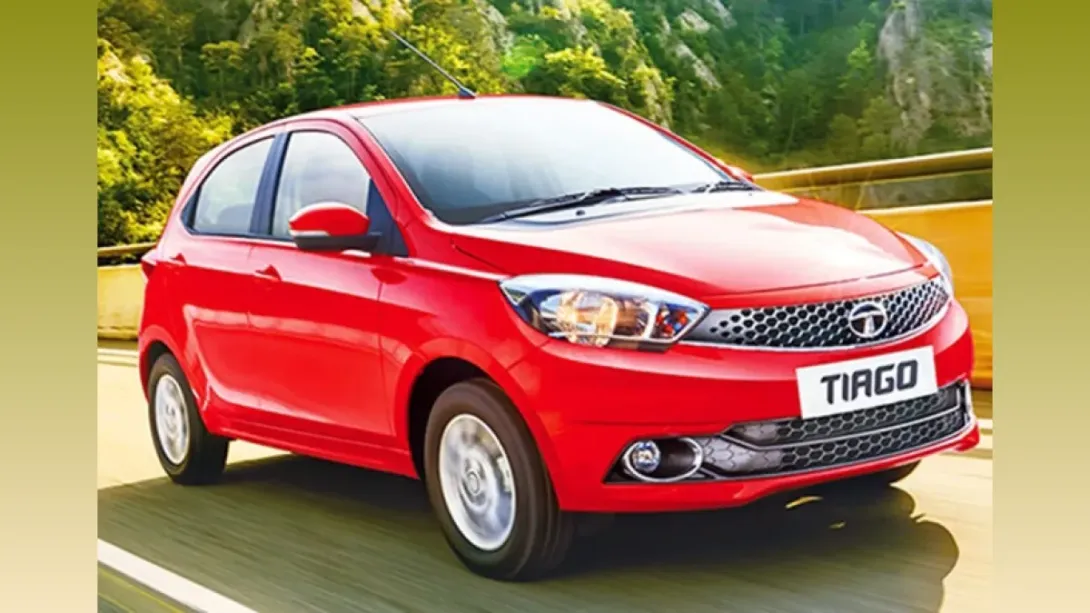
The strategic separation enables the CV arm to concentrate exclusively on its core business — manufacturing and marketing trucks, buses, vans, and fleet solutions — while the PV division focuses on passenger cars, SUVs, and electric vehicles (EVs). This decoupling offers investors clearer visibility into each business’s performance and strategic trajectory.
Tata Motors’ CV arm is now positioned to explore targeted partnerships, technology tie-ups, and funding avenues without being weighed down by the capital-intensive passenger vehicle operations. Furthermore, it gains the agility to respond faster to cyclical shifts in demand, commodity price fluctuations, and evolving emission norms.
According to market analysts, the CV company’s listing premium reflects the success of Tata Motors’ broader corporate transformation under the leadership of Chairman N. Chandrasekaran. The company’s sharper financial discipline, digital integration, and focus on sustainable mobility have improved both investor sentiment and institutional participation.
Industry Outlook: Commercial Vehicles on an Upturn
India’s commercial vehicle industry is entering a growth phase after nearly three years of supply chain disruptions, high fuel prices, and sluggish freight movement. The government’s continued emphasis on infrastructure projects, highway construction, and logistics modernization is expected to drive sustained demand for heavy and medium commercial vehicles.
Tata Motors’ early investment in alternative fuel technologies — such as compressed natural gas (CNG) and electric commercial vehicles — positions the company advantageously as India transitions toward cleaner transportation models. The firm’s expanding product line and export reach also support a strong multi-year growth outlook.
Despite these positives, analysts caution that the sector remains cyclical and sensitive to macroeconomic headwinds, including interest rate movements, fuel costs, and input price volatility. However, Tata Motors’ diversified product mix and improving cost structure mitigate many of these risks.
Investor Perspective: Balancing Optimism and Realism
While the stock’s debut premium reflects excitement over value unlocking, experts urge investors to take a balanced view. The CV arm’s valuation at over Rs. 1.1 lakh crore aligns with peers such as Ashok Leyland and Eicher Motors in terms of earnings multiple. However, sustaining the current momentum will depend on volume growth, margin resilience, and cash flow stability amid competition.
Short-term fluctuations are expected as index funds and institutional investors rebalance their holdings post-demerger. Long-term investors, though, may view this restructuring as a structural opportunity, especially given India’s projected logistics and infrastructure expansion.
Conclusion: A Defining Moment in Tata Motors’ Transformation
The listing of Tata Motors’ CV unit marks more than a financial event—it symbolizes the culmination of a strategic overhaul that redefines one of India’s largest automotive conglomerates. By separating its business verticals, Tata Motors has aligned itself with a global trend favoring specialized focus over conglomerate sprawl, allowing for sharper accountability, investor transparency, and operational excellence.
If executed effectively, this structural transformation could serve as a blueprint for Indian industrial giants seeking to unlock shareholder value through clarity, focus, and agility. The early market response offers a strong vote of confidence — not just in Tata Motors’ direction, but in India’s broader industrial evolution.
Comments