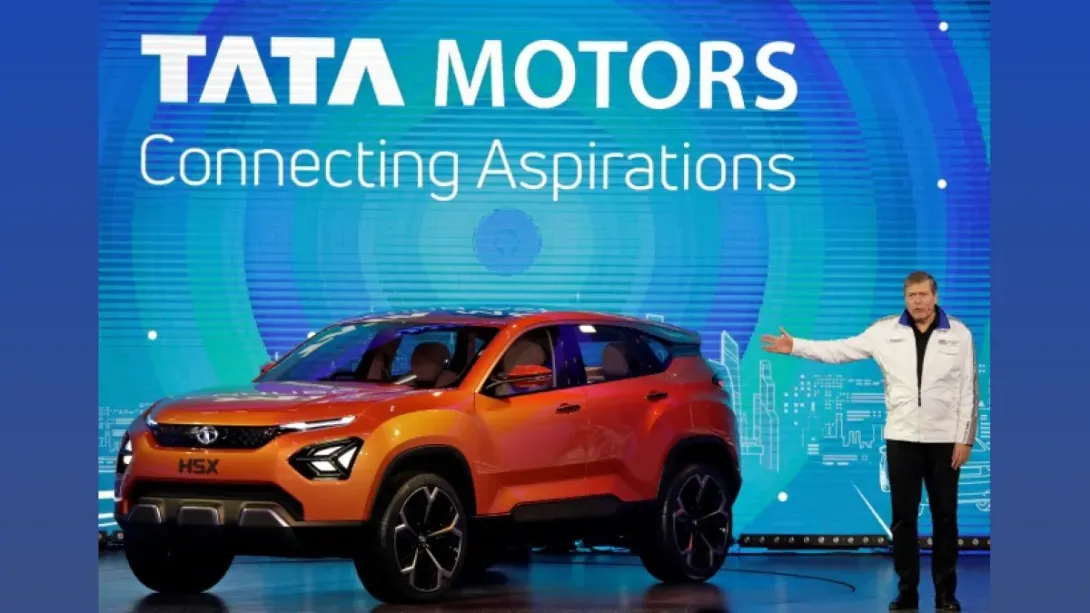
Tata Motors posted a robust 26% year-on-year increase in sales for November, driven by strong performance across passenger vehicles, commercial vehicles, and its growing electric vehicle portfolio. The automaker benefited from renewed consumer demand following festive-season momentum and easing supply-chain constraints, particularly in the semiconductor segment. Growth was led by utility vehicles like the Nexon, Punch, and Harrier, alongside sustained demand for commercial trucks and EV models such as the Nexon EV. Analysts highlight that Tata Motors’ diversified product mix and aggressive pricing strategies have helped it capitalize on market recovery, reinforcing its position as one of India’s leading automotive players.
Strong Passenger Vehicle Demand Supports Growth
Tata Motors’ November sales were buoyed by high consumer uptake in the passenger vehicle segment. SUVs, compact cars, and premium Nexa offerings witnessed robust bookings, reflecting growing preference for feature-rich and fuel-efficient vehicles. Urban and semi-urban markets contributed significantly, with buyers showing renewed confidence post-festive season.
The company attributed the growth to a combination of improved production output, targeted marketing campaigns, and competitive pricing strategies, which helped attract first-time buyers and customers upgrading from entry-level models.
Utility Vehicles and EVs Drive Momentum
Utility vehicles remained the primary growth driver, with models such as the Nexon, Punch, and Harrier contributing significantly to overall volumes. Tata Motors’ EV segment, led by the Nexon EV, also recorded strong demand, reflecting rising consumer acceptance of electric mobility solutions.
The company’s continued focus on expanding its electric and hybrid offerings aligns with India’s broader push toward sustainable transportation and EV adoption, positioning Tata Motors as a key player in the country’s evolving automotive ecosystem.
Commercial Vehicle Segment Strengthens Performance
Tata Motors’ commercial vehicles also showed healthy growth in November, supported by robust demand in logistics, construction, and fleet operations. The company benefited from easing supply constraints and increased freight activity, which helped restore order backlogs and boost revenue.
Industry analysts noted that commercial vehicles remain a critical pillar for Tata Motors’ revenue mix, with steady demand ensuring consistent cash flow and supporting the company’s broader strategic objectives.
Outlook: Positive Trajectory Continues
With a 26% year-on-year increase in November, Tata Motors appears well-positioned to maintain momentum into the final quarter of the fiscal year. Analysts expect the combination of diversified product offerings, expanding EV portfolio, and competitive pricing to continue driving growth.
As production stabilizes and market confidence strengthens, Tata Motors is poised to further consolidate its position in both the passenger and commercial vehicle segments, while advancing its electric mobility ambitions in line with India’s sustainability goals.
Comments