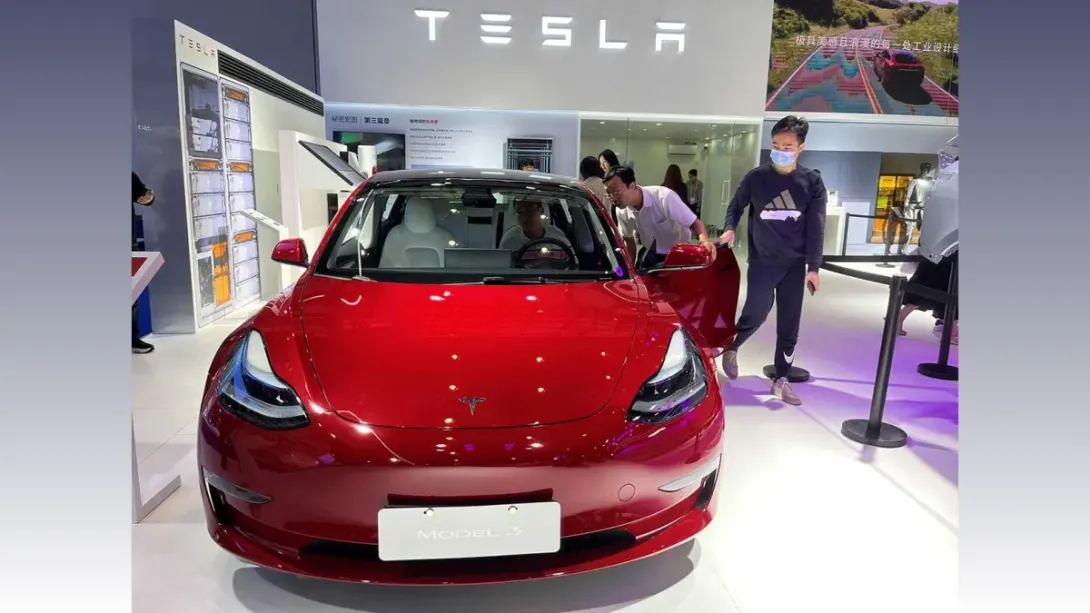
Tesla Strengthens India Push with New Leadership Appointment
Tesla Inc. has appointed Sharad Agarwal as its India head, signaling renewed momentum in the electric vehicle (EV) giant’s long-awaited entry into the Indian market. Agarwal, a seasoned automotive executive previously associated with Lamborghini India, brings decades of experience in luxury car operations, brand strategy, and market expansion. The appointment marks a pivotal step in Tesla’s India strategy as the company prepares to establish a local presence, explore manufacturing opportunities, and navigate the regulatory environment in one of the world’s fastest-growing automobile markets.
A Strategic Move Toward India Market Entry
Tesla’s decision to formalize its India leadership underscores the company’s intent to accelerate its long-discussed expansion into the country. After years of negotiations with Indian authorities over import duties and local manufacturing policies, this move indicates progress toward operational readiness. Industry analysts view Agarwal’s appointment as a clear signal that Tesla is transitioning from exploratory discussions to on-ground execution.
Reports suggest Tesla is actively evaluating sites in Maharashtra, Gujarat, and Tamil Nadu for a potential production facility, while also exploring partnerships with local suppliers. The company’s entry could reshape India’s EV landscape, intensifying competition among established players such as Tata Motors, Mahindra & Mahindra, and global entrants like BYD and Hyundai.
Sharad Agarwal: A Veteran of Luxury Automotive Leadership
Sharad Agarwal’s professional track record positions him as a strong candidate to lead Tesla’s India ambitions. At Lamborghini India, Agarwal was instrumental in transforming the brand’s local positioning—enhancing its market share, expanding dealer networks, and cultivating a strong aspirational appeal among high-end consumers. His deep understanding of India’s evolving premium mobility market, regulatory nuances, and consumer behavior is expected to be a key advantage as Tesla navigates its local rollout.
Colleagues familiar with Agarwal describe him as an “execution-driven strategist” capable of balancing global brand objectives with localized market realities. His leadership will likely focus on building Tesla’s operational foundation—establishing sales channels, service infrastructure, and customer engagement frameworks tailored to India’s unique demographics.
India’s EV Landscape: Opportunities and Obstacles
India’s electric vehicle ecosystem is undergoing rapid transformation, driven by government incentives, rising fuel costs, and a growing awareness of sustainable mobility. The FAME-II policy and production-linked incentives (PLI) have encouraged both domestic and foreign players to invest in EV manufacturing and infrastructure. However, Tesla faces challenges such as high import duties, the need for localized component sourcing, and establishing a nationwide charging network.
Despite these hurdles, India’s expanding middle class and growing appetite for clean energy vehicles represent an immense growth opportunity. With annual car sales exceeding four million units, even a modest EV adoption rate could create a multi-billion-dollar market within the decade. Analysts believe Tesla’s presence could catalyze faster EV penetration, driving both consumer interest and policy innovation.
Tesla’s Global Strategy and India’s Role
Tesla’s renewed focus on India aligns with its global diversification strategy aimed at mitigating geopolitical risks and supply chain dependencies. As the company scales production in markets like China, Germany, and the U.S., India offers strategic advantages—a large consumer base, competitive manufacturing costs, and a government keen to attract clean-tech investment.
By entering India, Tesla could also leverage export opportunities to nearby emerging markets in South and Southeast Asia. Establishing a local manufacturing base would not only reduce import costs but also align with India’s “Make in India” vision, potentially earning policy incentives and public goodwill.
The Road Ahead
With Sharad Agarwal at the helm, Tesla’s India journey appears to be entering a decisive phase. His leadership will likely focus on aligning global product and technology strengths with India’s policy frameworks and infrastructure realities. The success of Tesla’s India venture will depend on how effectively it balances affordability, localization, and brand positioning in a highly price-sensitive market.
For now, the appointment signals confidence and commitment—marking what could be the most significant development yet in Tesla’s pursuit of a foothold in the Indian automotive sector. If executed strategically, Tesla’s entry could redefine India’s electric mobility narrative, setting new benchmarks for innovation, sustainability, and market disruption.
Comments