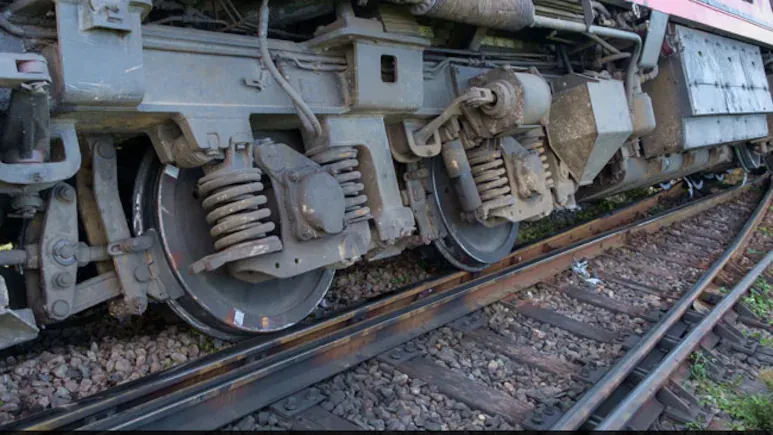
On Saturday night, a potentially dangerous incident was narrowly avoided at Chitteri railway station in Tamil Nadu when the loco pilot of the Arakkonam–Katpadi MEMU Passenger Train detected an unusual sound, stopping the train just in time. Initial reports had hinted at a derailment, but a subsequent inspection revealed a weld fracture on the track. While the situation raised alarms, thanks to the pilot’s quick response and pre-existing safety measures, no injuries or casualties occurred, and train services resumed without disruption.
A Close Call at Chitteri Station
In a fortunate turn of events, what could have been a catastrophic accident at Chitteri railway station in Ranipet district, Tamil Nadu, was prevented on Saturday night due to the sharp reflexes of the loco pilot. The pilot of the Arakkonam–Katpadi MEMU Passenger Train (No. 66057) noticed an abnormal noise shortly after departing from Chitteri at approximately 9:00 PM. Responding swiftly, the pilot brought the train to a halt, averting what could have been a serious mishap.
Initial reports of a derailment spread quickly, fueled by visuals showing a visibly damaged portion of the track. Eyewitnesses at the scene recalled hearing a loud noise, heightening concerns about the safety of those on board. However, thanks to prompt action, the situation did not escalate further.
No Casualties, No Derailment: Southern Railway Clarifies
Southern Railway issued a statement shortly after the incident, clearing up the confusion. Contrary to initial fears, no coaches were derailed. The problem had occurred on the Yard Road 1 loop line, which is a designated maintenance caution zone where trains are already required to reduce speed to 20 km/h. According to the railway’s clarification, the loco pilot halted the train at 9:15 PM after hearing the unusual sound. Upon inspection, it was discovered that a weld fracture on the track had been the source of the noise.
This weld defect had previously been identified during routine maintenance and was secured with joggle fish plates as a precautionary measure, preventing further risk. The damage to the track was localized, and the train was stationary for around an hour while repairs were made and safety checks conducted. Once the track was confirmed to be safe, the train proceeded without incident.
Safety Measures and Swift Action Prevent Disaster
While the incident raised alarms, the fast response from the loco pilot and the prior safety measures implemented on the track played a crucial role in preventing any casualties or damage. The decision to stop the train immediately after hearing the unusual noise was a critical factor in averting a potential disaster. It also highlighted the importance of vigilance and quick thinking in railway operations, especially in areas with known vulnerabilities.
Chitteri station, unfortunately, has a history of safety concerns, most notably the deadly train collision that took place in 2011, which resulted in the tragic loss of 11 lives and injured over 70 people. That incident underscored the need for rigorous safety protocols and enhanced monitoring of railway tracks. However, this recent scare showcased how the lessons learned from past tragedies had been applied, with the quick identification of the issue and the implementation of preventive measures playing a significant role in ensuring the safety of both passengers and crew.
A Reminder of the Importance of Maintenance
The incident serves as a stark reminder of the importance of regular maintenance and monitoring of railway infrastructure. While the weld fracture was already known and precautions had been taken to mitigate the risks, it is a testament to the ongoing vigilance required in maintaining India’s vast railway network. The quick intervention, coupled with preemptive measures, ensured that no harm came to those on board.
In response to concerns raised by the incident, railway authorities have reiterated the importance of safety protocols, particularly in areas prone to mechanical wear and tear. The occurrence at Chitteri reinforces the need for continuous upgrades to infrastructure and timely interventions in preventing mishaps.
Conclusion: Swift Action Prevents What Could Have Been a Catastrophe
In the end, what could have been a serious railway disaster at Chitteri was averted thanks to the fast actions of the loco pilot and the railway’s diligent safety measures. While the incident initially sparked fears of a derailment, the prompt response to a detected track fault ensured that no lives were lost, and no injuries were sustained.
For the railway sector, this incident highlights the importance of maintaining infrastructure integrity, ensuring timely interventions, and training personnel to handle emergencies. With the railway sector’s continued focus on safety and monitoring, such close calls, though unsettling, can be minimized, ensuring the safety of passengers across the country.
Comments