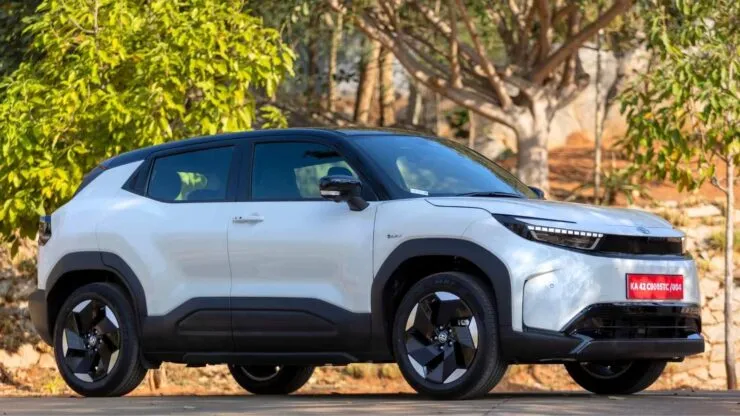
Toyota Motor Corporation is strengthening its presence in India’s rapidly expanding sport utility vehicle market by introducing new models across multiple segments. The strategy reflects a broader shift in consumer preference toward SUVs that offer greater practicality, safety, and technology. Vehicles such as the Toyota Urban Cruiser Hyryder, Toyota Urban Cruiser Taisor, and the premium Toyota Fortuner illustrate the company’s diversified approach. Industry analysts believe Toyota’s focus on hybrid technology, localization, and competitive pricing could enable the automaker to capture a larger share of India’s fast-growing passenger vehicle market.
India’s SUV Boom Creates New Opportunities
The Indian automotive industry is undergoing a structural transformation as sport utility vehicles steadily dominate passenger vehicle sales. Consumers increasingly favor SUVs for their commanding driving position, larger cabin space, and improved versatility across varied road conditions.
Recognizing this shift, Toyota Motor Corporation has accelerated efforts to expand its SUV portfolio in India. The company’s strategy is aimed at appealing to a wide spectrum of buyers—from first-time urban customers to affluent consumers seeking premium performance vehicles.
Industry data indicates that SUVs now account for a significant share of total passenger vehicle sales in India, making the segment a critical battleground for global automakers.
A Diversified SUV Lineup
Toyota’s approach to the Indian market involves offering vehicles across multiple price bands and consumer segments.
One of the most technologically advanced additions is the Toyota Urban Cruiser Hyryder. The model integrates hybrid technology designed to improve fuel efficiency while reducing emissions. Its launch reflects Toyota’s long-standing global leadership in electrified powertrains and sustainable mobility.
Another recent introduction is the Toyota Urban Cruiser Taisor, a vehicle positioned to attract younger urban buyers seeking modern design, connectivity features, and affordability.
At the premium end of the spectrum, the Toyota Fortuner continues to command strong demand. The model has established itself as one of the most recognizable SUVs in India, valued for its durability, powerful engine options, and strong resale value.
Hybrid Technology as a Strategic Advantage
Hybrid powertrains form a central pillar of Toyota’s growth strategy in India. Unlike fully electric vehicles, hybrids combine conventional internal combustion engines with electric motors, allowing improved fuel efficiency without requiring external charging infrastructure.
For markets such as India—where charging networks are still developing—this technology offers a practical transitional solution toward cleaner mobility.
The Toyota Urban Cruiser Hyryder, for instance, can operate in electric-only mode under certain driving conditions, significantly reducing fuel consumption in urban environments.
This technological positioning allows Toyota Motor Corporation to align with tightening emissions standards while addressing consumer concerns about fuel costs.
Localization and Strategic Partnerships
Another crucial component of Toyota’s expansion in India involves increasing local production and strengthening partnerships with domestic manufacturers. Localization reduces manufacturing costs, improves supply chain efficiency, and helps automakers remain competitive in price-sensitive markets.
Collaborative vehicle development has also enabled Toyota to accelerate product launches and expand its lineup without incurring the full cost of independent research and development.
Industry observers note that such partnerships have become increasingly common in the global automotive sector as manufacturers seek to share investment risks and leverage complementary strengths.
Intensifying Competition in the SUV Segment
Despite the favorable growth outlook, the Indian SUV market remains intensely competitive. Numerous domestic and international automakers are introducing new vehicles equipped with advanced infotainment systems, enhanced safety technologies, and improved fuel efficiency.
For Toyota, maintaining brand differentiation will depend on several key factors, including reliability, after-sales service, and continuous technological innovation.
The enduring popularity of the Toyota Fortuner demonstrates the company’s ability to command customer loyalty. However, sustaining that advantage will require ongoing product innovation as competitors introduce increasingly sophisticated alternatives.
Long-Term Growth Prospects
Looking ahead, the outlook for SUVs in India remains exceptionally strong. Rising incomes, improving highway infrastructure, and evolving lifestyle preferences are expected to sustain demand for larger vehicles across urban and semi-urban markets.
By expanding its portfolio with vehicles such as the Toyota Urban Cruiser Hyryder, Toyota Urban Cruiser Taisor, and Toyota Fortuner, Toyota Motor Corporation is positioning itself to capitalize on this structural shift.
If executed effectively, Toyota’s strategy could strengthen its foothold in one of the world’s most dynamic automotive markets while reinforcing its reputation for quality, durability, and technological leadership.
Comments