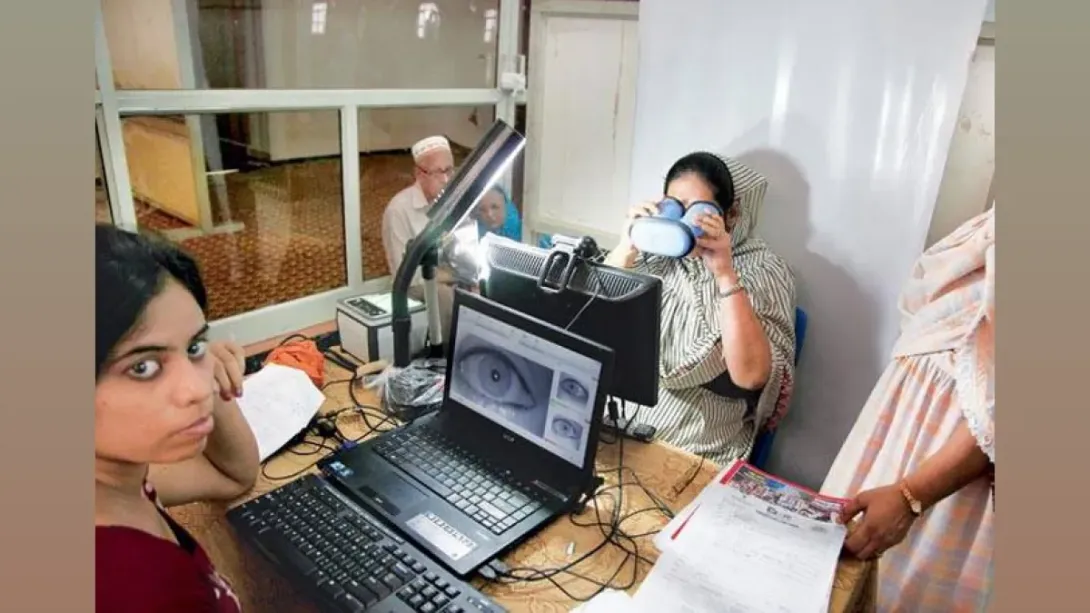
The Unique Identification Authority of India (UIDAI) has entered into a strategic partnership with the Indian Statistical Institute (ISI) to enhance the security architecture of the Aadhaar ecosystem. This collaboration focuses on leveraging advanced data analytics, statistical modeling, and AI-driven solutions to safeguard user information and prevent identity fraud. By combining UIDAI’s extensive operational infrastructure with ISI’s research expertise, the initiative aims to fortify authentication mechanisms and improve anomaly detection capabilities. The move underscores India’s commitment to protecting digital identity systems, ensuring that Aadhaar remains both secure and efficient as its role in financial, governmental, and social transactions continues to expand.
A Strategic Alliance for Digital Security
The collaboration between UIDAI and ISI is positioned as a proactive measure to address evolving cybersecurity threats. Aadhaar, which serves as the primary identity framework for over a billion residents, is a cornerstone of India’s digital governance infrastructure. Strengthening its security protocols has become imperative as usage expands across banking, welfare distribution, and private sector services.
Advanced Data Science and AI Integration
ISI’s expertise in statistical modeling, pattern recognition, and machine learning will be instrumental in refining Aadhaar’s authentication and fraud detection systems. Enhanced algorithms will allow for faster identification of suspicious activities, enabling preventive action before any breach occurs. This initiative also seeks to minimize false positives in authentication rejections, thereby improving user experience without compromising security.
Balancing Security and Accessibility
While the focus remains on fortifying the system against malicious activities, UIDAI and ISI aim to ensure that security measures do not impede accessibility. Streamlined processes, backed by robust encryption and adaptive verification techniques, will help maintain Aadhaar’s usability for millions of daily transactions, from digital payments to government benefit disbursements.
Long-Term Implications
This partnership is expected to set new benchmarks for identity management systems, potentially serving as a model for other digital ID programs globally. As cyber threats grow more sophisticated, collaborations between government agencies and academic institutions will likely become essential in maintaining the trust and integrity of large-scale digital ecosystems.
Comments