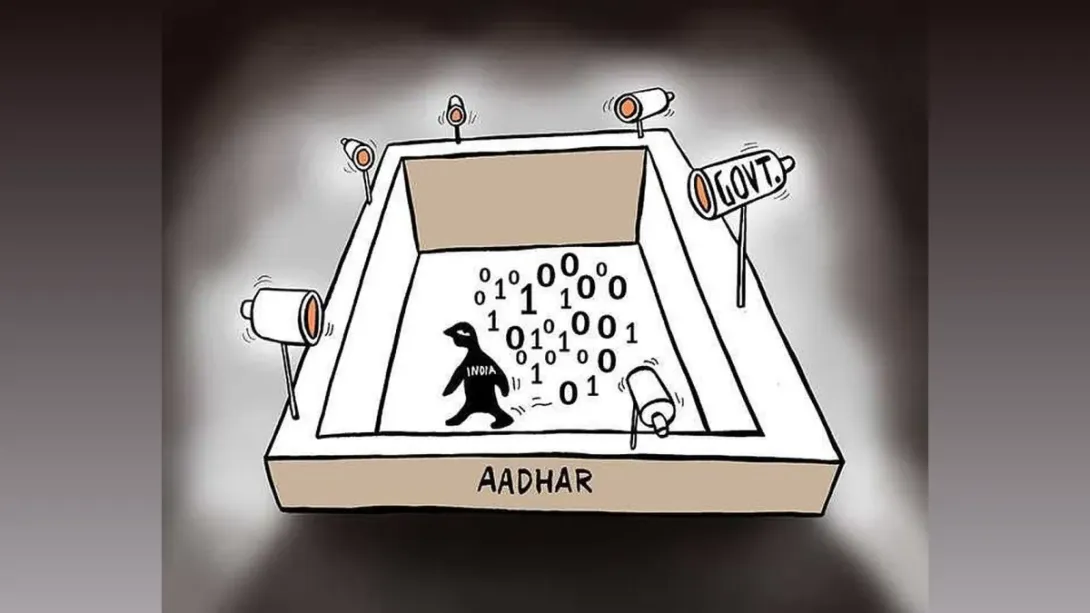
The Unique Identification Authority of India (UIDAI) has directed schools to assist children in updating their Aadhaar biometrics, a crucial step as students transition from early childhood into adolescence. Since fingerprints and iris scans of children captured below the age of five become outdated as they grow, UIDAI is urging educational institutions to play an active role in ensuring timely updates. This initiative is expected to simplify the process for parents, strengthen the reliability of Aadhaar-based identification, and enhance the accuracy of government welfare delivery linked to school-aged beneficiaries.
---
Why Biometric Updates Are Needed
Aadhaar captures both demographic and biometric data, but the biometrics of young children are often unreliable due to rapid physical changes. UIDAI requires children who enrolled before the age of five to update their biometrics at the ages of five and again at fifteen. Without these updates, Aadhaar-linked services—including scholarships, midday meal benefits, and other welfare schemes—risk being delayed or disrupted. By involving schools, the process becomes more streamlined and accessible for families.
---
Role of Schools in the Process
Schools have been asked to create awareness among parents and guardians regarding the importance of biometric updates. Institutions are expected to guide families on how and where to complete the procedure, ensuring that no child misses out on benefits due to outdated records. By acting as facilitators, schools will bridge the communication gap between UIDAI and households, particularly in rural and semi-urban regions where awareness may be lower.
---
Implications for Welfare and Governance
Accurate Aadhaar data is central to the government’s direct benefit transfer (DBT) framework, which ensures subsidies and entitlements reach the intended recipients. Outdated biometric records can create bottlenecks, leading to inefficiencies in program execution. A nationwide push for updates not only helps children retain uninterrupted access to education-related benefits but also enhances the reliability of India’s broader digital governance architecture.
---
Parental Responsibility and Next Steps
While UIDAI emphasizes the role of schools, the onus remains on parents to ensure timely updates of their children’s Aadhaar. Guardians are encouraged to visit Aadhaar Seva Kendras or enrollment centers with their children, carrying necessary documents such as proof of relationship and updated demographic details. The process is free of cost, ensuring affordability for all households.
---
Conclusion
The UIDAI’s call to schools to support Aadhaar biometric updates marks a proactive step toward safeguarding children’s access to welfare benefits. By aligning educational institutions with the Aadhaar ecosystem, the initiative reinforces accountability, inclusivity, and efficiency. For parents, timely updates mean uninterrupted benefits; for schools, it represents an opportunity to strengthen trust with families; and for the government, it ensures that the nation’s digital identity system remains robust, reliable, and future-ready.
Comments