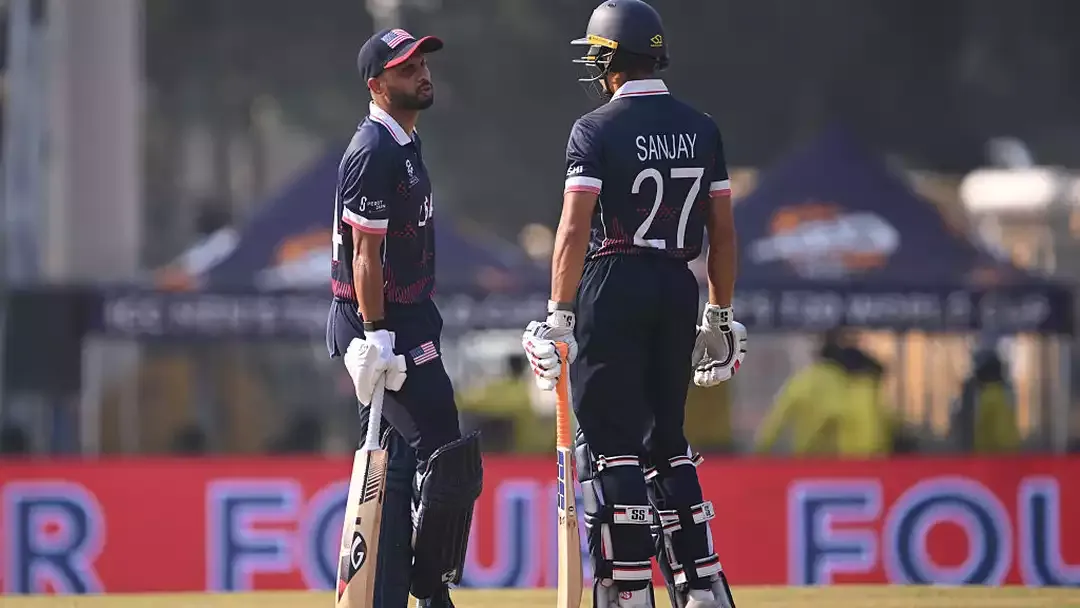
The clash between the United States and Namibia in the ICC Men's T20 World Cup reflects the tournament’s broader narrative of expansion and opportunity. Both teams enter the fixture with realistic aspirations of advancing beyond the group stage, making the contest strategically significant. For the USA, the match is a test of consistency and composure, while Namibia see it as a chance to reaffirm their credentials after recent global appearances. Beyond the result, the encounter underscores cricket’s steady growth outside its traditional strongholds.
A Battle Between Emerging Contenders
Unlike traditional power-versus-underdog matchups, this fixture places two rapidly developing teams on equal footing. The USA have invested heavily in infrastructure and domestic leagues, translating into improved international performances. Namibia, meanwhile, bring experience from recent World Cup campaigns, giving them a tactical edge in pressure situations.
USA’s Momentum and Market Potential
The United States’ presence in the World Cup carries implications beyond sport. Strong performances help fuel commercial interest, sponsorship inflows, and grassroots participation in a lucrative yet underpenetrated market. On the field, disciplined bowling and adaptable batting will be central to their game plan.
Namibia’s Experience Factor
Namibia’s recent exposure to elite tournaments has sharpened their competitive instincts. Known for structured bowling attacks and sharp fielding, they often thrive in tightly contested matches. A win here would strengthen their case as one of the most consistent associate teams in global cricket.
High Stakes in a Short Format
In T20 cricket, margins are slim and momentum is decisive. Net run rate considerations add urgency, ensuring neither side can afford a cautious approach. Early breakthroughs and powerplay execution are expected to shape the outcome.
The Broader Significance
This matchup highlights the ICC’s strategic push to globalize cricket. Competitive games between emerging nations enhance the sport’s credibility, commercial appeal, and long-term sustainability—making this contest meaningful well beyond the scorecard.
Comments