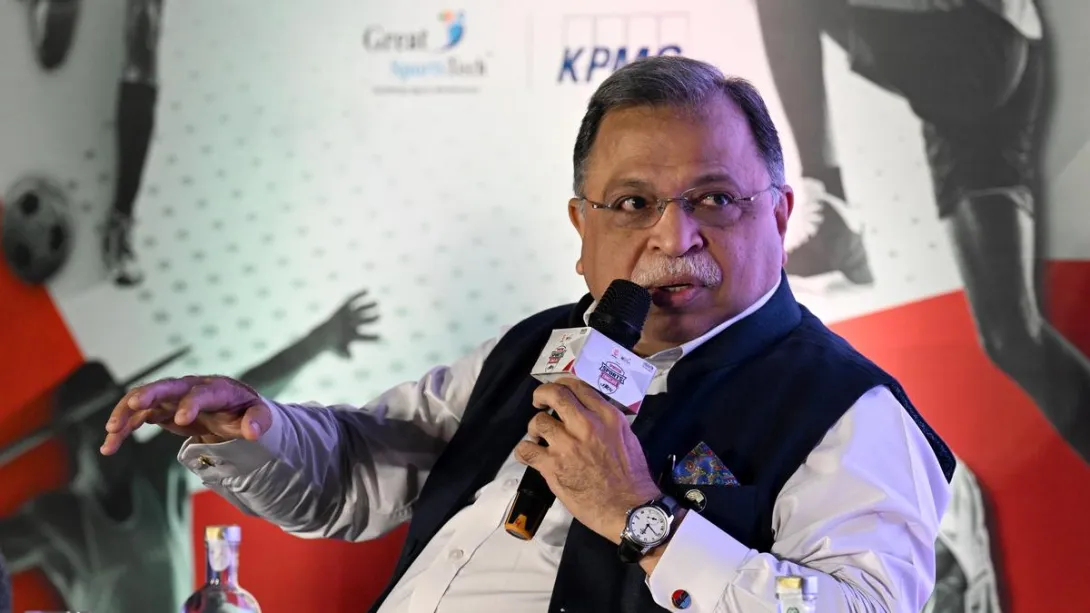
India is preparing a calculated bid to host either the 2029 or 2031 World Athletics Championships, marking a pivotal move in its long-term sporting vision. With the bidding process officially opening later this year, India's national athletics federation aims to position the country as a viable and strategic host, as part of broader ambitions to stage the 2036 Olympic Games. The Athletics Federation of India (AFI), led by World Athletics vice-president Adille Sumariwalla, plans to submit bids for both editions, acknowledging the growing global competition and the continent’s recent hosting history as key factors in its dual-target approach.
India’s Bid Strategy: Doubling Down for Maximum Leverage
India's decision to bid for both the 2029 and 2031 World Athletics Championships underscores a pragmatic and calculated approach to securing one of the two prestigious events. According to Adille Sumariwalla, former AFI president and current vice-president of World Athletics, the country intends to engage in what he terms a “strategic bid,” maximizing its chances by showing flexibility on the final hosting year.
“We are going to do strategic bidding for 2029 and 2031. Both editions will be awarded simultaneously, and whichever edition we get is fine,” Sumariwalla stated. By presenting itself as open to either opportunity, India aims to demonstrate adaptability while leveraging its growing international sporting profile.
Timelines and the Bidding Roadmap
The timeline for the bidding process is clearly outlined by World Athletics:
- Expression of Interest Deadline: October 1, 2025
- Preliminary Application Deadline: April 1, 2026
- Final Bid Submission: August 5, 2026
- Host Cities Announcement: September 2026
India's bid team is currently in preparation mode, with final submissions still over a year away. This provides ample time for stakeholder alignment, infrastructure readiness reviews, and diplomatic engagement with World Athletics Council members.
Context: Asia's Hosting Rotation and India’s Calculated Gamble
A critical factor influencing India's dual-bid strategy is continental rotation. With Japan hosting the 2025 World Championships in Tokyo and China scheduled to host the 2027 edition, there is growing concern that awarding the 2029 edition to another Asian country may raise questions of regional balance.
India’s inclusion of 2031 in its bid plan reflects this geopolitical and strategic sensitivity. It indicates recognition that while infrastructure and organizational capability are important, global sports governance also considers geographic equity and event distribution.
By keeping both editions in play, India sends a clear message: it is not fixated on a particular year but committed to becoming a long-term stakeholder in global athletics.
Building a Global Sporting Legacy Ahead of 2036 Olympics
The decision to pursue the World Athletics Championships aligns closely with India’s ambition to host the 2036 Summer Olympics. Securing a global athletics event would not only strengthen India’s credentials as an event organizer but also provide a crucial operational rehearsal ahead of a potential Olympic bid.
Hosting a premier event like the World Championships, which draws global television audiences and participation from over 200 nations, would showcase India’s capabilities in logistics, athlete services, infrastructure, security, and fan engagement on the world stage.
Furthermore, India has already built momentum through successful execution of events like the 2023 Chess Olympiad, the FIFA U-17 World Cup, and the G20 Summit, all of which have earned it global recognition for event management.
Javelin Spotlight and National Athletic Momentum
India’s growing prowess in athletics is another crucial factor supporting its bid. The recent NC Classic international javelin meet, won by Olympic and World Champion Neeraj Chopra, symbolizes the country’s ascendance in global track and field. Chopra’s presence at the launch event, coupled with record participation, underscores the country’s increasing grassroots engagement and public interest in athletics.
The AFI has also been actively promoting elite-level training programs and investing in athlete development through public-private partnerships. These actions reflect a systemic commitment to athletics beyond simply hosting international events.
Conclusion: A Vision Beyond 2029
India’s approach to the World Athletics Championships bid is about more than just winning hosting rights—it's about setting the stage for a transformative sporting era. With a focus on long-term planning, strategic timing, and geopolitical insight, the country is signaling that it is ready to step into a leadership role in international sports.
If successful, hosting the 2029 or 2031 Championships would be a monumental step forward, both in athletic prestige and in India's aspiration to become a global sporting hub by 2036. The road ahead may be complex, but with careful execution and diplomatic agility, India’s bid could redefine its global sporting identity.
Comments