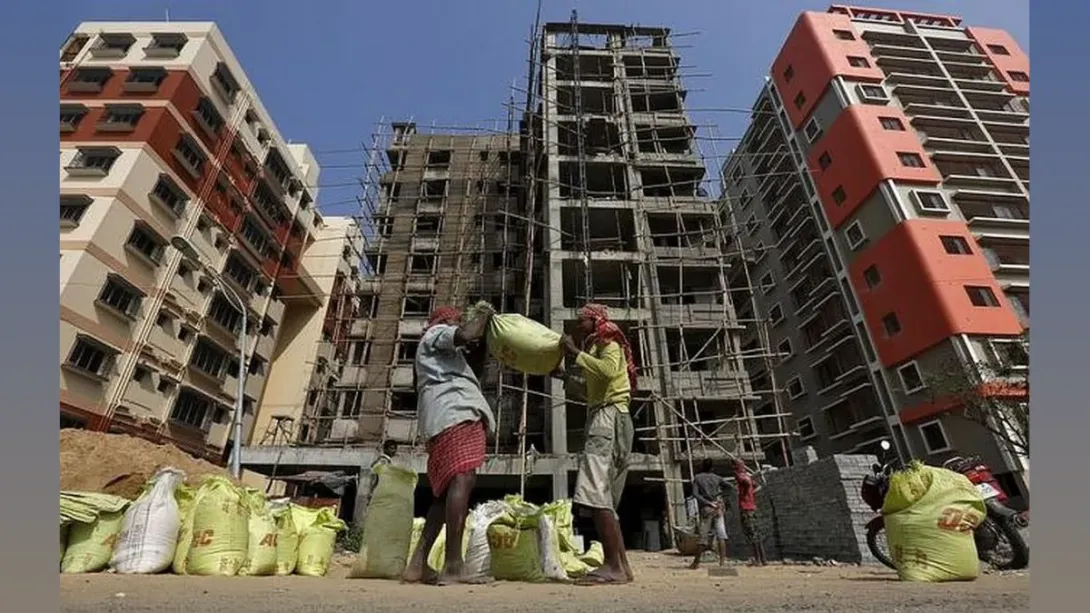
India’s real estate sector is calling for an urgent reduction in the Reserve Bank of India’s (RBI) repo rate to reignite housing demand, which has begun to soften after several quarters of growth. Developers, financial experts, and housing associations believe that a policy rate cut would help lower borrowing costs, making home loans more affordable and stimulating sales, particularly in the mid-income and affordable housing segments. With inflation easing and economic indicators showing stability, stakeholders argue that a calibrated rate reduction could sustain the real estate sector’s momentum and contribute to broader economic growth.
---
Calls for Policy Support Amid Cooling Demand
After nearly two years of robust performance, the Indian housing market is witnessing signs of moderation. Industry bodies have expressed growing concern that high interest rates are deterring potential homebuyers, especially in price-sensitive segments. Developers assert that while premium housing continues to perform relatively well, demand in the affordable and mid-income categories has weakened due to elevated borrowing costs and cautious consumer sentiment.
Experts argue that a repo rate cut would help balance the current slowdown and restore confidence among both buyers and developers. By reducing the cost of funds for banks and housing finance companies, such a move would make mortgages more accessible and stimulate new project launches.
---
Impact of Current Monetary Policy on Real Estate
Since the RBI began its monetary tightening cycle in 2022 to combat inflation, the repo rate has increased by 250 basis points, pushing up home loan rates to nearly 9% for many borrowers. This rise has significantly affected loan affordability, particularly for first-time buyers.
Although inflation has recently shown signs of stabilization, the central bank has maintained a cautious stance, prioritizing price stability over growth. However, many within the real estate industry argue that the macroeconomic environment now supports a gradual shift toward monetary easing. Lowering policy rates, they suggest, would not only revive demand but also bolster construction activity, job creation, and consumption across allied industries such as cement, steel, and home furnishings.
---
Affordable Housing Faces the Greatest Strain
The affordable housing segment, which has been a cornerstone of government-backed housing initiatives, has borne the brunt of the high interest rate regime. Developers report a decline in bookings within this segment, as potential homeowners find equated monthly installments (EMIs) increasingly unaffordable.
Industry analysts note that a reduction in the repo rate by even 25–50 basis points could have a substantial impact, lowering EMIs and improving affordability metrics for millions of households. This could help reinvigorate the government’s “Housing for All” mission and drive fresh demand in Tier 2 and Tier 3 cities, where price sensitivity is higher.
---
Developers and Analysts Align on Rate Cut Benefits
Real estate associations and developers have presented a unified voice in advocating for a rate reduction in the upcoming RBI policy review. They argue that the benefits of a repo rate cut would extend beyond housing, stimulating the broader economy through a multiplier effect.
Financial institutions also support the proposal, highlighting that a more accommodative policy could accelerate credit growth in the retail sector. Some economists suggest that with inflation remaining within the RBI’s tolerance band, there is sufficient room for policy flexibility to encourage growth-oriented measures.
---
Market Sentiment and Future Outlook
While the housing sector remains fundamentally strong, the recent dip in quarterly sales across major cities signals the beginning of a potential slowdown if borrowing costs remain elevated. A timely rate cut could reverse this trend and sustain the market’s recovery trajectory.
Analysts forecast that a lower repo rate, combined with continued government support for infrastructure and urban development, would reinforce India’s position as one of the fastest-growing real estate markets globally. With festive season demand approaching, a policy shift from the central bank could provide a timely boost to consumer confidence and transaction volumes.
---
Conclusion
The call for a repo rate cut underscores the delicate balance between maintaining monetary discipline and supporting economic expansion. As inflation moderates and growth stabilizes, a moderate easing of interest rates could serve as a critical catalyst for India’s housing market. By reducing borrowing costs and improving affordability, the move would not only uplift consumer sentiment but also stimulate investment, employment, and growth across the broader economy. For now, all eyes remain on the RBI’s next policy announcement—one that could shape the trajectory of India’s real estate sector in the months ahead.
Comments