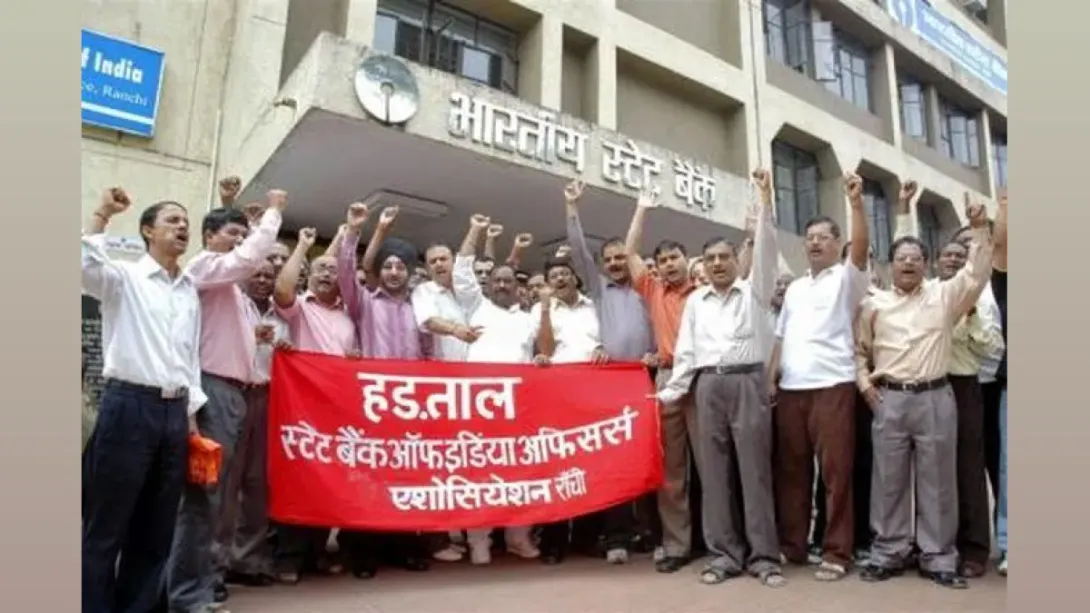
Operations at Indian Overseas Bank faced disruption after officers across multiple regions went on strike, protesting what they described as coercive business practices and excessive performance pressure. The action highlights growing tensions within public sector banks, where employees argue that aggressive target-driven cultures are undermining professional judgment and employee well-being. Officers’ associations have accused management of enforcing unrealistic goals, using intimidation tactics, and linking performance metrics to punitive outcomes. The strike brings renewed attention to the evolving challenges of balancing commercial competitiveness with fair labor practices in India’s state-owned banking system.
Strike Disrupts Banking Operations
Banking services at several branches of Indian Overseas Bank were affected as officers staged a coordinated strike to protest workplace practices they claim are increasingly coercive. Routine operations, including loan processing and customer service functions, saw delays, reflecting the impact of the protest on day-to-day banking activity.
Employee representatives said the strike was a response to sustained pressure from management to meet aggressive business targets, often without regard to ground realities or regulatory prudence.
Allegations of Coercive Performance Culture
At the center of the dispute are allegations that officers are being compelled to meet steep deposit mobilization and credit growth targets under threat of adverse performance reviews or disciplinary action. Union leaders argue that such practices compromise ethical banking standards and expose officers to personal and professional risk.
They further claim that target-linked pressure is eroding morale within the workforce, particularly in smaller branches where market conditions limit rapid business expansion.
Management’s Position and Industry Context
While bank management has emphasized the need to remain competitive in a rapidly evolving financial landscape, officers contend that public sector banks cannot be managed solely on private-sector performance models. They argue that policy mandates, financial inclusion goals, and compliance obligations already place significant demands on staff.
The standoff reflects a broader industry debate on how state-owned banks should pursue growth while maintaining employee welfare and risk discipline.
Broader Implications for Public Sector Banking
The strike underscores structural challenges facing public sector banks as they adapt to digital transformation, tighter margins, and increased competition from private lenders and fintech firms. Analysts note that prolonged labor unrest could affect customer confidence and operational efficiency if not addressed through dialogue.
At the same time, the protest highlights the need for management frameworks that balance accountability with realistic expectations.
The Road Ahead
Officers’ associations have called for immediate talks with senior management to resolve the dispute and reassess performance evaluation systems. Industry observers say a negotiated settlement is crucial to restoring normal operations and preventing further escalation.
As public sector banks continue to modernize, the IOB strike serves as a reminder that sustainable reform must account not only for financial metrics, but also for the human capital that underpins the banking system.
Comments