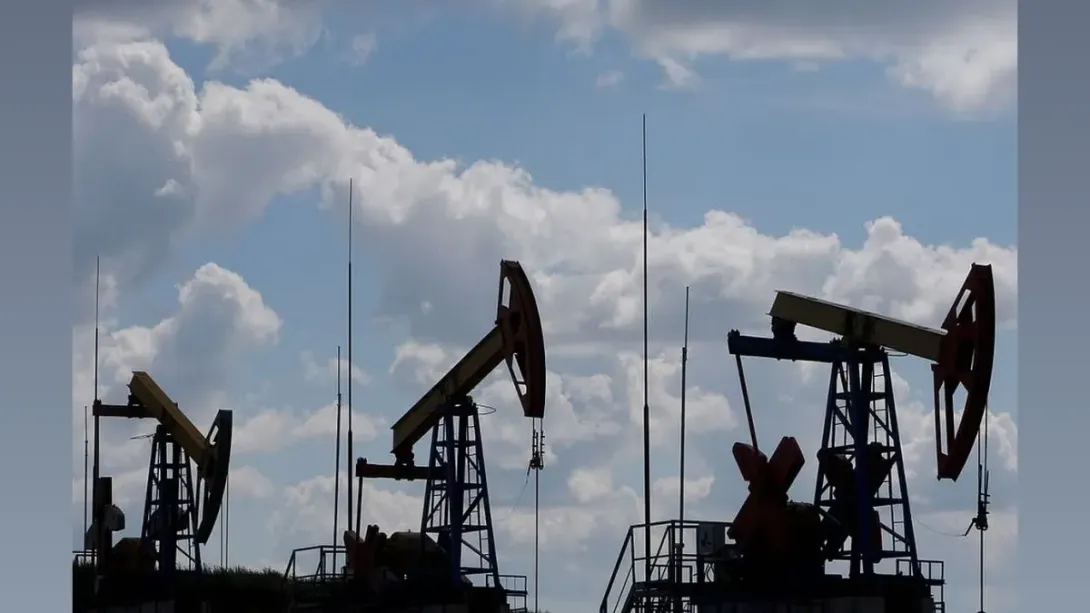
Indian Oil Corporation (IOC), the nation’s largest state-run refiner, has reaffirmed its intent to continue purchasing Russian crude oil despite ongoing Western sanctions and market pressures. The company maintains that sourcing discounted Russian barrels remains economically viable and critical to safeguarding India’s energy security. As global oil markets remain volatile and geopolitical tensions persist, IOC’s decision underscores India’s pragmatic approach—balancing strategic autonomy with fiscal prudence. This stance also reinforces New Delhi’s broader energy diversification strategy, ensuring stable fuel supplies while navigating complex international trade dynamics.
Strategic Resilience in Energy Procurement
Amid escalating geopolitical tensions and renewed Western restrictions on Russian energy, IOC has chosen continuity over caution. The company reiterated that purchases of Russian crude will proceed under existing arrangements, conducted within the framework of global trade laws and India’s national interests.
Officials emphasized that the rationale remains rooted in economic and energy security imperatives. Russian oil continues to trade at competitive discounts compared to Middle Eastern and West African grades, making it a commercially sound choice. The sustained inflow of Russian barrels has helped India manage inflationary pressures, stabilize domestic fuel prices, and safeguard refining margins.
Balancing Diplomacy and Economic Reality
India’s decision to maintain oil trade with Russia is emblematic of its strategic non-alignment in global energy politics. While Western nations have imposed sweeping sanctions on Moscow following the Ukraine conflict, New Delhi has adopted a more balanced approach—prioritizing national energy needs over geopolitical alignments.
Government officials have consistently underscored that India imports oil from multiple sources, guided by considerations of affordability, security, and availability. This pragmatic stance has allowed refiners like IOC to benefit from Russia’s reorientation toward Asian markets, where India and China have emerged as major buyers of discounted crude.
Analysts note that the continuation of Russian imports aligns with India’s long-term strategy of diversifying suppliers while reducing vulnerability to price shocks in global energy markets.
Economic Rationale and Refining Efficiency
From a commercial standpoint, Russian crude has proven well-suited for Indian refineries, particularly those operated by IOC. The company’s refining infrastructure is versatile, enabling it to process a broad mix of crude grades efficiently.
The discounted pricing on Russian oil—often between $5 and $10 per barrel cheaper than comparable alternatives—has provided IOC with strong refining margins, allowing it to offset elevated freight and insurance costs. This has been particularly advantageous amid fluctuating Brent crude prices and ongoing supply disruptions in traditional markets.
Industry insiders also note that continued access to Russian supplies provides Indian refiners with a competitive edge in export markets, especially for products such as diesel and aviation turbine fuel, where price competitiveness is crucial.
Payment Mechanisms and Trade Adjustments
To navigate the evolving sanctions environment, IOC and other Indian refiners have increasingly relied on alternative payment mechanisms, including the Indian rupee, UAE dirham, and Chinese yuan, to settle trade with Russian suppliers.
These transactions are structured carefully to avoid direct violations of Western sanctions, ensuring compliance with financial regulations while maintaining trade continuity.
Shipping arrangements have similarly evolved, with Russian and Indian entities coordinating through non-European insurance and logistics providers, mitigating potential supply chain disruptions.
This operational adaptability has enabled IOC to maintain a consistent supply flow even as Western financial restrictions and shipping caps have tightened.
Broader Implications for India’s Energy Policy
IOC’s steadfast approach mirrors India’s broader energy doctrine—prioritizing affordability, availability, and diversification. While the West debates tightening sanctions further, India’s policymakers continue to advocate for an equitable global energy framework that respects the developmental needs of emerging economies.
Energy experts argue that India’s continued engagement with Russia represents a strategic assertion of sovereignty in energy policy, reinforcing the country’s long-held position that access to affordable fuel is vital for sustained economic growth.
This approach has also catalyzed a shift in global trade flows, with Russian oil increasingly redirected toward Asia, effectively reshaping energy corridors that were once dominated by Western demand.
Outlook: Pragmatism Over Politics
Looking ahead, IOC’s continued purchase of Russian crude appears anchored in economic pragmatism rather than geopolitical allegiance. The company’s procurement strategy is expected to remain flexible, guided by market conditions, regulatory clarity, and India’s broader developmental priorities.
With domestic energy demand projected to grow sharply in the coming decade, IOC’s emphasis on diversified, cost-effective supply chains will remain central to India’s energy security matrix.
As global markets adjust to the evolving sanctions regime and shifting supply routes, India’s calculated stance—championed by IOC—illustrates how emerging economies are asserting strategic independence in the global energy order, prioritizing national interest above external pressure.
Conclusion
By reaffirming its commitment to Russian crude imports, Indian Oil Corporation has sent a clear message: India’s energy security will not be compromised by geopolitical turbulence. The company’s balanced approach—anchored in commercial logic, regulatory compliance, and diplomatic restraint—underscores the maturity of India’s energy policy in a fragmented global market.
Comments