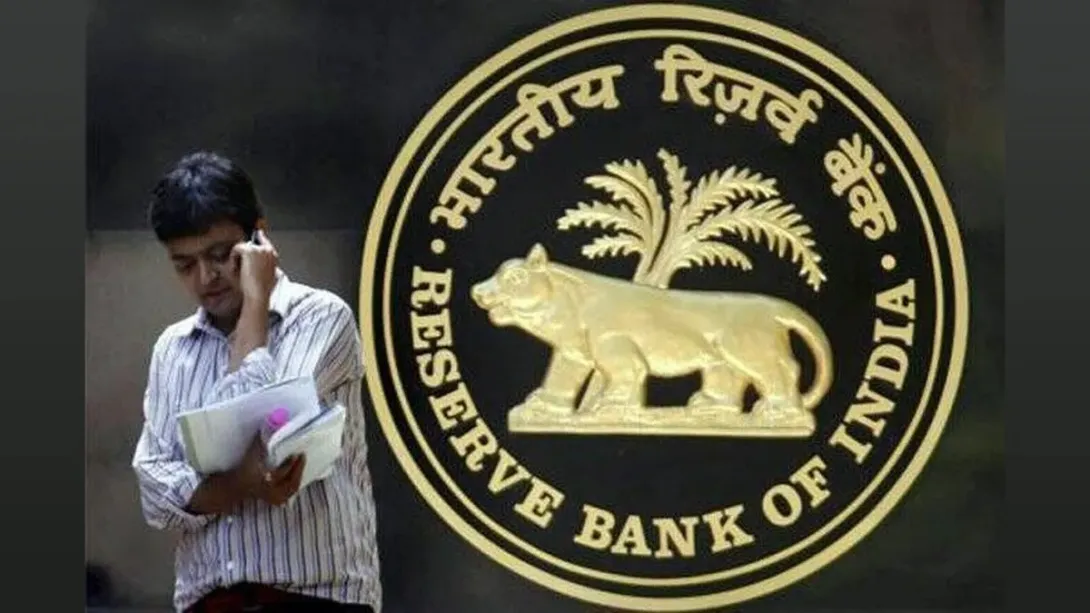
State Bank of India (SBI) is working to preserve its net interest margin (NIM) even as the Reserve Bank of India (RBI) moves toward an expected rate-cut cycle, Chairman C.S. Setty said. While lower policy rates typically compress lending margins, SBI plans to rely on a mix of strategic repricing, calibrated deposit management, and sustained loan growth to maintain financial stability. The bank anticipates robust credit demand across retail, MSME, and corporate sectors, helping offset pressure on yields. With asset quality strengthening and credit costs stabilizing, SBI expects to cushion the impact of rate cuts while supporting broader economic growth.
SBI Positions for Margin Stability in a Lower-Rate Environment
Chairman C.S. Setty signaled that the nation’s largest lender is preparing for a shift in the monetary landscape as the RBI begins reducing policy rates. Historically, softer rates weigh on banks’ interest spreads. But Setty asserted that SBI is positioned to manage the transition without significant erosion in its NIM performance.
He highlighted the bank’s ongoing repricing strategy, which balances adjustments in its loan book with more disciplined management of liabilities. According to Setty, the bank’s scale and diversified funding base give it enough flexibility to control volatility in margins as the market recalibrates.
Loan Growth Momentum Expected to Continue
Despite the anticipated rate adjustments, SBI expects credit demand to remain strong. Retail lending—particularly home loans, auto financing, and personal credit—continues to be a major growth engine. The MSME sector is also showing increased appetite for working capital and expansion funding, reflecting improving business sentiment.
Setty added that corporate credit, which had remained cautious in recent years, is gradually reviving as large companies begin to announce new capital expenditure plans. This broad-based momentum allows SBI to widen its loan portfolio even if lending rates soften modestly.
Deposit Strategy to Play a Critical Role
One of the biggest challenges for banks in a rate-cut environment is the elevated competition for deposits. Many lenders have increased rates in recent months to shore up liquidity, pushing funding costs higher across the system.
Setty underscored that SBI’s deposit franchise—bolstered by its nationwide reach and customer trust—remains its strongest advantage. The bank will focus on augmenting low-cost deposits, particularly current and savings accounts, to mitigate pressures from rising term-deposit rates. Managing deposit costs effectively, he said, will be central to maintaining a healthy NIM.
Improving Asset Quality Provides a Cushion
SBI’s strengthening balance sheet has become a critical buffer against the upcoming shift in monetary policy. The bank has consistently brought down its non-performing assets while keeping slippages under control, enabling lower credit provisioning.
Stable asset quality helps protect profitability even if margins narrow. Setty noted that reduced credit costs, combined with structural improvements in underwriting standards, will help the bank absorb short-term fluctuations as markets adjust to new rate dynamics.
Banking Sector Prepares for Policy Normalization
SBI’s margin strategy reflects a wider transformation taking place across India’s banking industry. As the RBI steers policy easing to support growth, banks must strike a balance between competitive lending rates and prudent profitability management.
For investors and analysts, SBI’s clarity on NIM stability offers reassurance at a time when rate cycles can significantly influence valuations. With its market leadership, expanding loan book, and solid asset quality profile, SBI appears well-prepared to maintain resilience amid monetary easing.
Comments