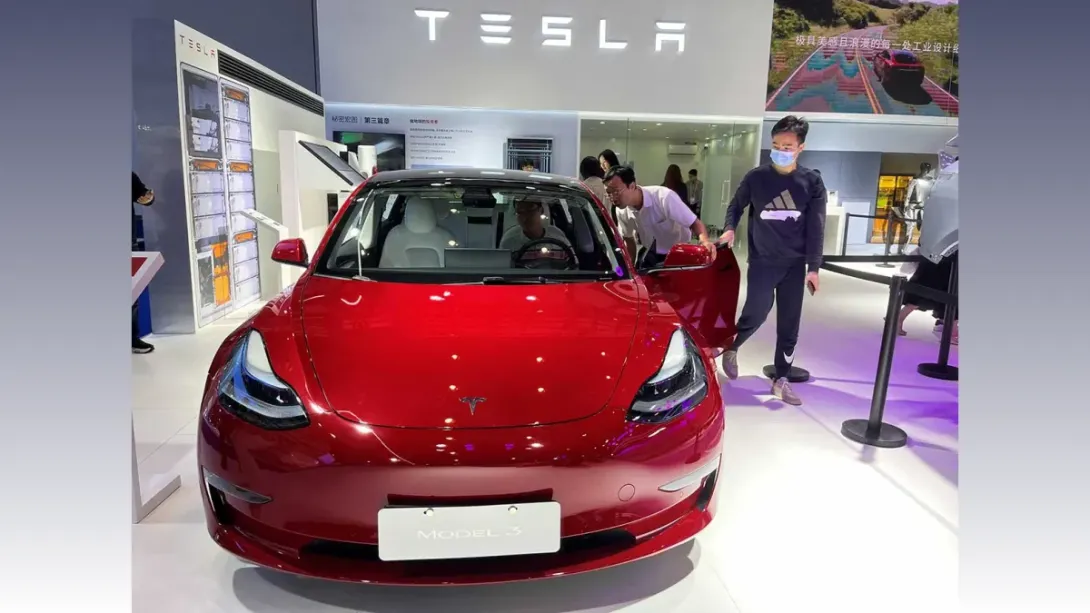
Tesla is moving closer to establishing a comprehensive charging network in India, marking a significant step toward the country’s transition to electric mobility. The initiative is expected to support Tesla’s long-term strategy of entering the Indian market with both vehicles and supporting infrastructure. By prioritizing charging stations, the company aims to ease range anxiety, foster consumer confidence, and align with India’s broader sustainability goals. The move also signals deeper engagement with government authorities and potential manufacturing or assembly discussions. As India accelerates its EV adoption curve, Tesla’s infrastructure rollout could reshape competition and elevate industry standards nationwide.
---
Tesla’s Strategic Push Into Indian EV Ecosystem
Tesla’s decision to begin developing charging infrastructure in India reflects a calculated approach to market entry. Rather than launching vehicles first, the company is prioritizing the foundational layer required for widespread adoption. Charging availability remains one of the largest barriers to EV penetration, and Tesla’s early commitment is expected to influence the broader automotive landscape.
While India’s EV market is still evolving, Tesla’s presence could accelerate the industry’s maturation and drive innovation across both private and public transportation segments.
---
Building the Charging Network: A Foundational Step
The planned network is likely to include both fast-charging and destination-charging stations positioned along key highways, urban centers, and high-traffic corridors. Tesla’s global experience in deploying high-efficiency charging solutions provides it with a competitive advantage in building reliable, grid-integrated infrastructure.
By establishing a robust charging blueprint, Tesla aims to ensure that when its vehicles eventually reach Indian consumers, the ecosystem is ready to support seamless mobility.
---
Aligning With India’s EV Policy and Sustainability Vision
India has made substantial progress in promoting electric mobility through incentives, policy reforms, and infrastructure initiatives. Tesla’s entry into the charging domain complements these national goals, strengthening the EV ecosystem and potentially drawing additional global investment.
The company’s initiative could also support state-level renewable energy mandates, helping reduce carbon emissions and enhancing energy efficiency in urban transport.
---
Potential Synergies With Local Partners
Industry analysts expect Tesla to explore partnerships with local utilities, infrastructure firms, and renewable energy providers. Such alliances could accelerate deployment timelines and ensure grid compatibility while reducing operational costs.
Collaboration with state governments may also pave the way for approvals, land access, and streamlined regulatory processes—critical factors in infrastructure rollout.
---
Implications for India’s EV Industry
Tesla’s infrastructure development is expected to raise the benchmark for charging technology and service reliability. It may prompt domestic automakers and startups to accelerate their own network expansions, intensifying competition and benefiting consumers.
As India prepares for an era of mass EV adoption, Tesla’s early-stage investment in infrastructure signals confidence in the market’s long-term potential. It also positions the company strategically for vehicle launches at a future date.
---
Conclusion
Tesla’s commitment to building charging infrastructure in India marks a pivotal moment for the country’s EV landscape. By investing in the ecosystem before introducing its vehicles, the company demonstrates a forward-looking strategy that aligns with both commercial goals and national sustainability priorities. As the rollout progresses, Tesla’s presence is likely to influence industry standards, policy direction, and consumer expectations, shaping the next phase of India’s electric mobility journey.
Comments