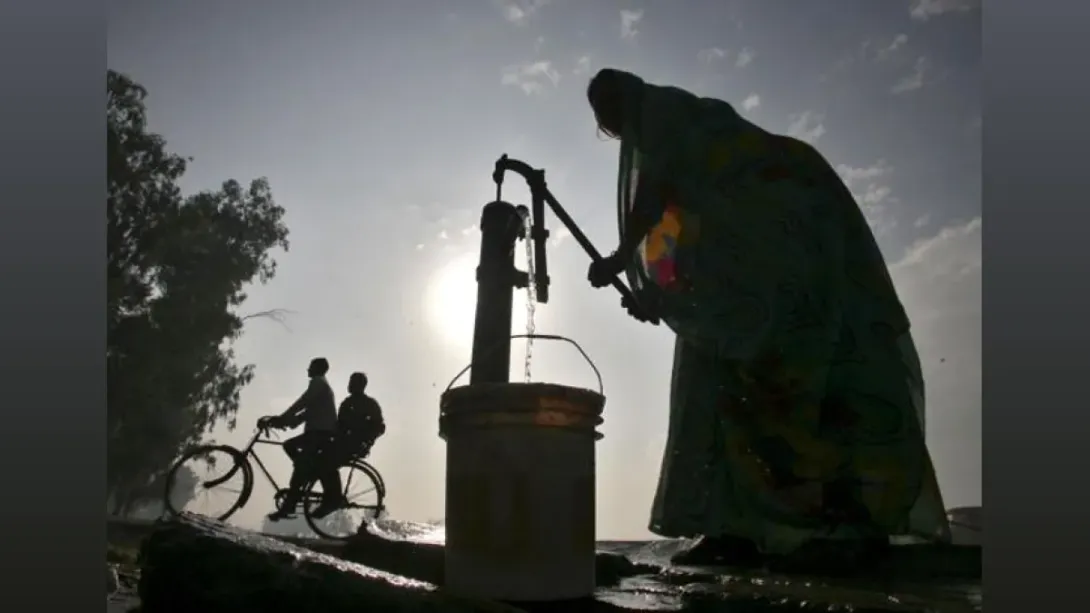
The World Bank has approved funding of Rs. 5,700 crore for a major water management project in Haryana, marking a significant investment in climate resilience and sustainable infrastructure. The initiative aims to modernize irrigation systems, improve groundwater recharge, and enhance water-use efficiency across the state’s agrarian economy. By combining policy reform with technology-driven solutions, the project seeks to address chronic water stress while supporting farmer incomes and long-term food security. The funding underscores growing international confidence in India’s state-level reform agendas and highlights water security as an economic, environmental, and social priority.
Strategic Investment in Water Security
The World Bank’s latest commitment to Haryana reflects a broader global push to address water scarcity through institutional reform and infrastructure modernization. Haryana, one of India’s most water-stressed states, has long faced declining groundwater levels driven by intensive agriculture and inefficient irrigation practices.
The Rs. 5,700 crore program is designed to reverse this trend by aligning fiscal incentives, governance reforms, and modern engineering solutions. Officials familiar with the project say the funding will be disbursed in phases, linked to measurable performance benchmarks.
Focus on Irrigation and Groundwater Reform
A central pillar of the initiative is the overhaul of irrigation networks, with a shift toward precision water delivery and crop diversification. The project emphasizes reduced dependence on water-intensive crops and encourages more sustainable farming patterns.
Equally important is groundwater management. The program will support data-driven monitoring systems, recharge structures, and community-level water stewardship to slow aquifer depletion. These measures are expected to deliver both environmental and economic returns over the medium term.
Economic and Agricultural Impact
From a macroeconomic perspective, improved water efficiency could stabilize agricultural output in Haryana, a key contributor to India’s food supply chain. Reduced water stress lowers production risk, improves yield predictability, and enhances farmer resilience against climate volatility.
Analysts note that such reforms also reduce the long-term fiscal burden on state governments by curbing emergency interventions linked to droughts and crop failures.
Institutional Reform and Global Confidence
Beyond infrastructure, the World Bank’s funding places strong emphasis on governance, capacity building, and policy alignment. The program supports regulatory reforms and institutional strengthening, ensuring that water resources are managed transparently and sustainably.
The scale of the investment signals international confidence in Haryana’s reform roadmap and reinforces India’s broader narrative as a destination for development-focused capital.
A Blueprint for Other States
If successfully implemented, the Haryana water project could serve as a replicable model for other water-stressed regions in India. As climate risks intensify, such integrated, reform-linked investments are likely to become central to sustainable economic planning and long-term growth.
Comments