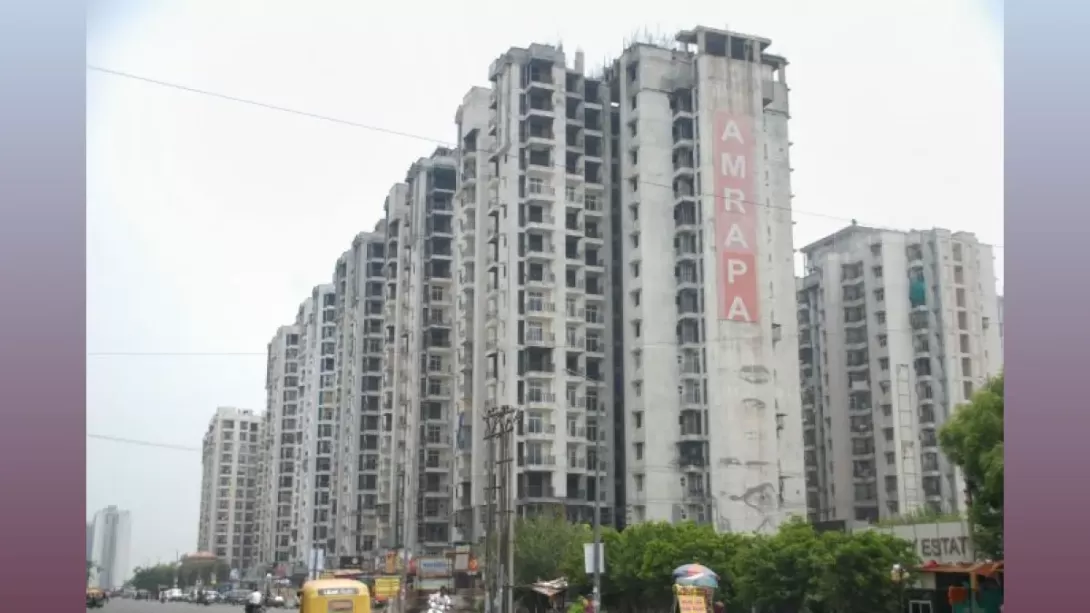
In a significant transaction reshaping Noida’s residential real estate landscape, AU Real Estate has acquired 446 unsold apartments for Rs 1,468 crore from NBCC (India) Ltd through an e-auction. These units are part of the Aspire Silicon City project, originally developed under the Supreme Court-mandated revival of Amrapali’s stalled projects. The acquisition is seen as both a vote of confidence in the Noida housing market and a strategic move by AU Real Estate to enter the high-demand mid-to-premium segment. With a plan to sell the units in phases, the firm will bear full payment responsibility irrespective of market absorption.
Supreme Court-Mandated Projects Drive Market Recovery
The origins of this transaction lie in a broader judicial intervention aimed at safeguarding the interests of thousands of homebuyers. Following the collapse of Amrapali Group, the Supreme Court had mandated the completion of its stalled projects through the formation of the Amrapali Stalled Projects and Investments Reconstruction Establishment (ASPIRE), with NBCC (India) Ltd appointed as the executing agency. The government-backed construction major was tasked with completing approximately 38,000 units across several developments.
This recent e-auction is a continuation of NBCC’s strategy to liquidate unsold inventory to fund ongoing construction and settle legacy debt, ensuring timely delivery to affected homebuyers.
Details of the Acquisition
AU Real Estate successfully secured the selling rights to 446 units in the Aspire Silicon City project, located in Sector-76, Noida. The project spans 8.5 acres and comprises nearly 600 apartments in total. The reserve price for the auction was set at Rs 10,500 per sq ft, with AU Real Estate bidding marginally above this benchmark.
The total saleable area associated with the acquired flats measures approximately 13.85 lakh square feet, translating to a total transaction value of Rs 1,467.93 crore. According to Ashish Agarwal, Director of AU Real Estate, the firm plans to launch sales shortly, targeting both end-users and investors. The flats will be released in a staggered manner to maintain price stability and ensure optimal market absorption.
Flexible Payment Terms with Binding Obligations
The agreement outlines a staggered payment structure linked to the construction progress of the project. AU Real Estate is obligated to disburse the full amount of Rs 1,468 crore to NBCC regardless of sales velocity. This clause underscores the company’s long-term commitment and financial discipline, while also insulating NBCC from market risks.
For homebuyers, this model could prove advantageous by accelerating the construction timeline, given that funding bottlenecks—often the biggest hurdle in delayed projects—have been mitigated through upfront bulk sales.
Strategic Implications and Market Outlook
This acquisition positions AU Real Estate as a serious contender in the Delhi-NCR property market. Established in 2022, the company is currently developing two other projects in the region and is now poised to become a key player in Noida’s residential segment.
The Aspire Silicon City project offers proximity to urban amenities, metro connectivity, and a growing end-user demand base—factors that could contribute to strong unit absorption in the months ahead.
NBCC, for its part, has sold a total of 4,470 flats across five stalled Amrapali projects via e-auction, amounting to approximately Rs 9,700 crore. Previous high-profile buyers include Gaurs Group, Mansan Builders, and Happy Valley Infra, reinforcing the renewed investor confidence in rehabilitated legacy assets.
Conclusion: A Win-Win for Stakeholders
The deal represents a pragmatic solution to India's housing sector challenges, where stalled projects have long eroded buyer trust and investor sentiment. With institutional players like NBCC acting as the executing authority and private developers like AU Real Estate stepping in to monetize and market inventory, the outlook for project completion and homebuyer delivery is more optimistic than it has been in years.
This transaction could well become a model for how distressed real estate can be responsibly revived through structured public-private collaboration.
Comments