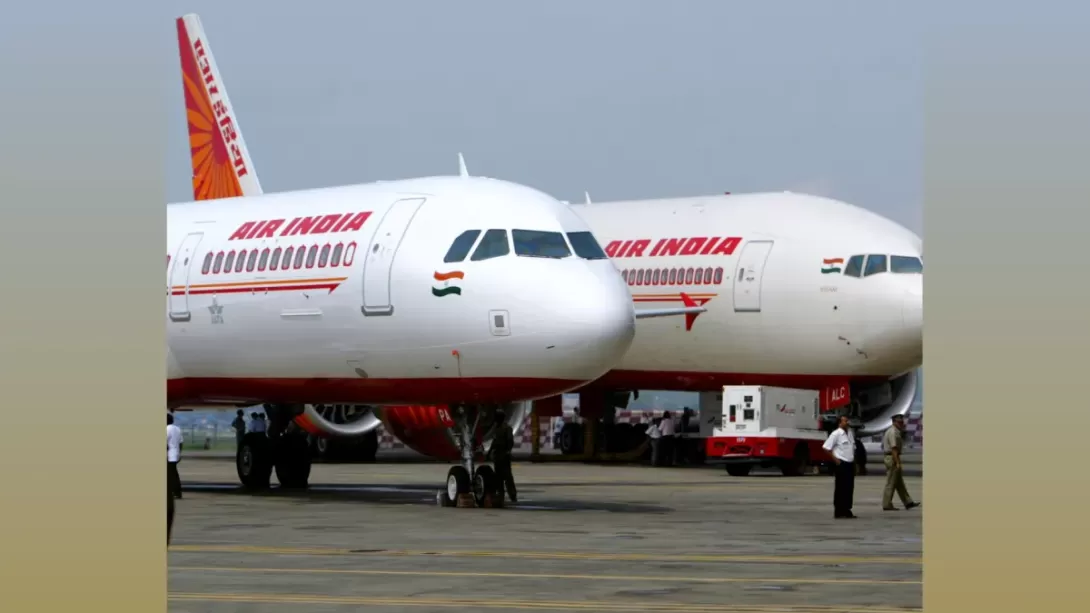
Air India cancelled three international flights on June 18, 2025, citing technical issues, regulatory crew limitations, and safety concerns. Two flights—one from Toronto and another from Dubai—were called off after passengers had already boarded, while a Delhi-Bali flight was forced to return mid-air due to volcanic activity. These disruptions come against the backdrop of enhanced scrutiny by India's aviation regulator following a fatal Boeing 787-8 crash on June 12. Although the Directorate General of Civil Aviation (DGCA) has not identified major safety breaches, it urged Air India to improve coordination and logistics across its operations to minimize passenger inconvenience.
Disruptions Hit International Operations
On June 18, Air India was compelled to cancel three key international services, a move that further strained the carrier’s operational reliability. Among the affected flights was AI188, operating on the Toronto–Delhi route, which was scrapped due to extended aircraft maintenance. Regulatory limits on crew duty hours compounded the issue, leading to a full cancellation after passengers had already boarded. Affected travelers were subsequently disembarked.
A second disruption occurred with flight AI996 from Dubai to Delhi, which was grounded for technical reasons. Here too, the aircraft was boarded before the last-minute cancellation.
In a third case, flight AI2145 from Delhi to Bali was recalled mid-air after volcanic activity was reported near the destination. The aircraft returned safely to Delhi, and passengers were disembarked without incident. Air India emphasized that the decision was taken purely in the interest of passenger safety.
Passenger Response and Airline Compensation
Air India stated that ground teams have been actively coordinating to reroute passengers and arrange alternative travel options at the earliest. The airline also offered full refunds or complimentary rescheduling as compensation to affected travelers.
While customer frustration is understandable, Air India’s gesture of transparent communication and quick refund processing could help mitigate reputational damage. However, repeated instances of cancellations and mid-air turnarounds risk eroding traveler confidence in the brand, especially on high-yield international sectors.
Boeing 787 Scrutiny Triggers Flight Cancellations
These flight disruptions are part of a wider operational strain caused by heightened inspections of Air India’s Boeing 787 fleet. Following a deadly crash involving a Boeing 787-8 aircraft on June 12 that claimed 241 lives, India’s DGCA ordered intensified oversight of Air India’s Dreamliner operations.
Air India operates 26 Boeing 787-8 and seven Boeing 787-9 aircraft, which form a critical part of its long-haul fleet. Since the crash, the airline has cancelled 66 Boeing 787-operated flights between June 12 and June 17, citing ongoing technical checks and the unavailability of certain aircraft due to safety inspections.
The DGCA’s review meeting with senior executives from Air India and its subsidiary, Air India Express, revealed growing concerns around the carrier’s maintenance practices. The aviation authority specifically flagged deficiencies in internal coordination, engineering protocols, ground handling, and spare parts logistics—all vital to ensuring seamless and safe flight operations.
DGCA Clears Fleet but Calls for Operational Overhaul
Despite the wave of cancellations and growing scrutiny, the DGCA noted that recent inspections did not uncover any systemic safety lapses in Air India's Boeing 787 fleet. “The aircraft and associated maintenance systems were found to be in compliance with existing safety standards,” the regulator stated.
Nevertheless, the DGCA urged Air India to strengthen internal processes and ensure better cross-functional alignment among engineering, flight operations, and logistics teams. The authority emphasized that operational continuity must not come at the cost of safety, urging the airline to remain vigilant as it navigates both technical and reputational challenges.
Looking Ahead: Rebuilding Confidence in the Skies
While the immediate causes of disruption—technical snags, volcanic hazards, and regulatory oversight—may appear distinct, they point to a deeper operational fragility within Air India’s long-haul infrastructure. As the airline continues its ambitious expansion under the Tata Group’s stewardship, ensuring consistent aircraft reliability and improved coordination across departments will be key to sustaining global competitiveness.
If Air India is to regain passenger trust and maintain premium positioning in international aviation, addressing systemic inefficiencies and restoring operational resilience must become a top strategic priority.
Comments