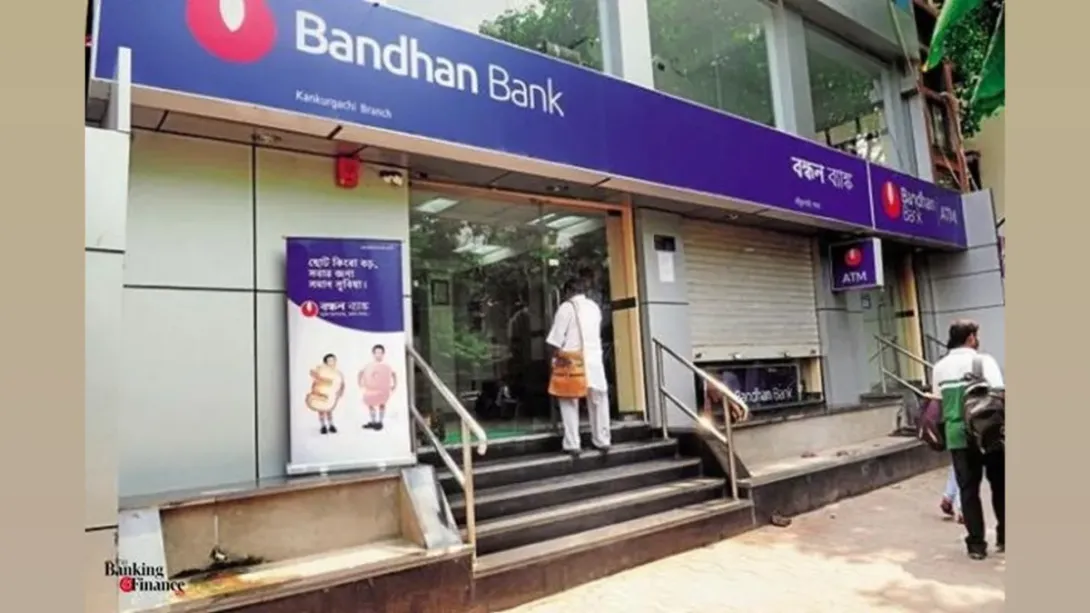
In a strategic move to bolster healthcare accessibility in India's Northeast, Bandhan Bank has announced the extension of its corporate social responsibility (CSR) grant to the Assam Cancer Care Foundation (ACCF). The initiative, a joint venture between the Government of Assam and Tata Trusts, aims to deliver affordable, standardized cancer care across 17 districts in the state over the next two years. The grant will assist underprivileged patients with treatment costs, travel, and accommodation, thereby reducing the financial burden on families. The move reinforces Bandhan Bank's broader commitment to inclusive development through focused health interventions.
CSR for Critical Healthcare: A Focus on Cancer Care
Bandhan Bank’s renewed partnership with the Assam Cancer Care Foundation underscores the importance of private sector engagement in public health. At a formal ceremony held in Guwahati, the extension of the CSR grant was announced in the presence of senior Assam government officials, Bandhan Bank MD & CEO Partha Pratim Sengupta, and ACCF COO Dr. (Maj Gen) Jai Prakash Prasad.
The grant is specifically intended to strengthen the delivery of cancer treatment services across the care continuum—diagnosis, treatment, follow-up, and palliative care. By offering financial support for medical expenses and ancillary costs such as travel and lodging, the initiative seeks to bridge a persistent access gap in cancer treatment, particularly in underserved rural regions.
Supporting the Vulnerable: A Patient-Centered Approach
Cancer care remains financially inaccessible for many families in the Northeast, where late-stage diagnoses and treatment abandonment are common due to logistical and economic hurdles. Through this CSR extension, Bandhan Bank aims to mitigate these challenges by alleviating out-of-pocket expenses for economically weaker sections.
“This partnership reflects our belief that access to quality healthcare is fundamental to building an equitable society,” said Sengupta. “We are committed to supporting vulnerable cancer patients not just in Assam, but across the Northeast.”
The assistance provided through the grant will span both direct treatment subsidies and indirect support such as travel and accommodation, helping ensure continuity of care and reducing treatment dropouts.
Institutional Collaboration: Government, Philanthropy, and Banking
The Assam Cancer Care Foundation, formed as a collaboration between the Assam state government and Tata Trusts, operates with a mission to decentralize cancer treatment. By focusing on district-level infrastructure and care delivery, the foundation brings high-quality oncology services closer to communities that traditionally lacked such access.
Bandhan Bank’s involvement is part of its broader CSR vision, which emphasizes health, education, and livelihoods. The partnership represents an effective convergence of government initiative, philanthropic capital, and corporate support—an emerging model for scalable social impact in India.
Banking with a Purpose: Bandhan’s Regional Footprint
With nearly 500 service touchpoints and a customer base of 15 lakh individuals in Assam alone, Bandhan Bank is uniquely positioned to implement socially impactful programs at scale. Its deep-rooted presence allows the bank to engage meaningfully with grassroots communities and deliver targeted interventions efficiently.
The bank’s growing CSR portfolio reflects a commitment to transformative development that goes beyond traditional banking. In the healthcare space, Bandhan Bank has increasingly focused on high-burden, low-access diseases such as cancer, where early detection and sustained treatment are crucial to survival.
Conclusion: A Scalable Model for Healthcare Equity
Bandhan Bank’s support of the ACCF represents a thoughtful and needed response to one of the region’s most pressing healthcare challenges. With cancer incidence rising and health infrastructure stretched thin, partnerships like these play a vital role in reshaping care delivery.
By targeting affordability and access, the initiative not only offers immediate relief to patients but also lays the groundwork for systemic change in how cancer care is approached in underserved areas. If successful, this model could serve as a blueprint for CSR-led healthcare interventions across other parts of the country.
Comments