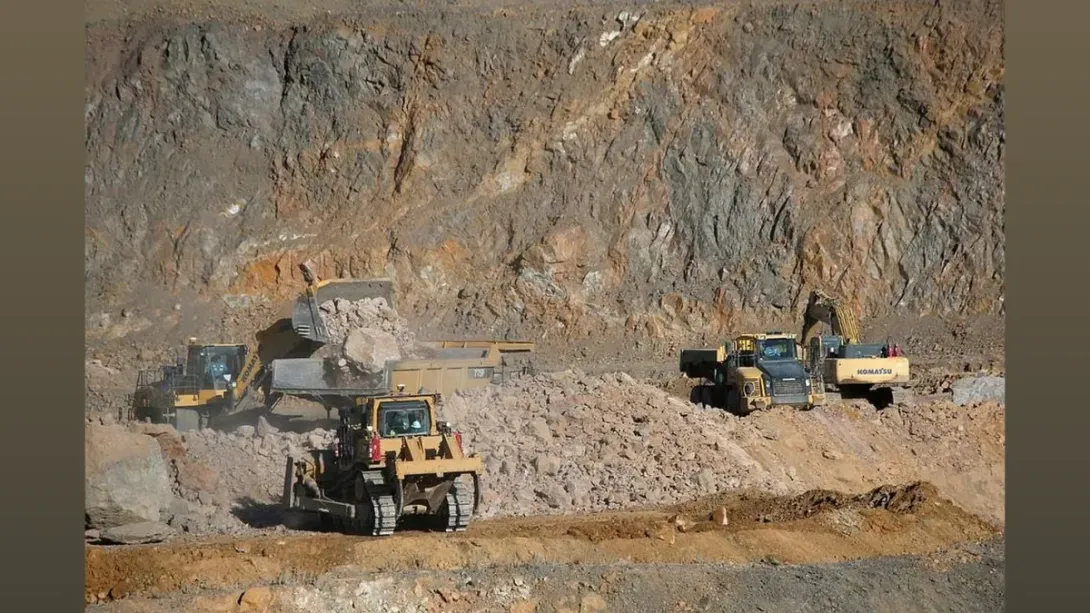
Hindustan Copper Ltd (HCL) is embarking on an ambitious expansion strategy to increase its mining capacity from 3.47 million tonnes to 12 million tonnes per annum by fiscal year 2030-31. Central to this growth plan is a strategic collaboration with Chile’s copper giant Codelco, aimed at enhancing technical expertise and deep exploration capabilities. Despite facing critical scrutiny from the Comptroller and Auditor General (CAG) over past project delays and financial mismanagement, HCL recorded record underground ore production at its Malanjkhand Copper Project. With a focus on global partnerships and technological innovation, HCL aims to reposition itself as a major player in India’s copper mining sector.
Ambitious Capacity Expansion Targets
Hindustan Copper Ltd, a Kolkata-based public sector undertaking, has outlined an aggressive capacity expansion roadmap, targeting an almost fourfold increase in mining output by 2030-31. The company’s current production stands at 3.47 million tonnes annually, with plans to scale operations to 12 million tonnes. This transformational growth is predicated on both deepening existing mining capabilities and exploring new mineral reserves.
The Malanjkhand Copper Project (MCP) in Madhya Pradesh emerges as the linchpin of this strategy. Having successfully transitioned to underground mining, MCP recently achieved its highest-ever underground ore production of 2.73 million tonnes in FY 2024-25, surpassing its target by 3%. HCL aims to further augment this capacity to 5 million tonnes per annum, positioning MCP as a cornerstone for future growth.
Strategic Partnership with Codelco
A defining feature of HCL’s expansion plan is the newly forged partnership with Codelco, the world’s largest copper producer headquartered in Chile. This collaboration focuses on enhancing HCL’s technical expertise in deep exploration and mining operations. Currently, a team of Codelco experts is undertaking a three-week visit to various HCL sites across India to evaluate operational practices and identify areas for improvement.
HCL Chairman and Managing Director Sanjiv Kumar Singh emphasized that the MoU with Codelco aims not only to transfer technology but also to explore the potential for joint ventures targeting copper blocks in Chile. Such international cooperation reflects HCL’s intent to leverage global best practices and expand its strategic footprint beyond domestic borders.
Singh highlighted that the partnership could evolve beyond its initial technical scope, depending on mutual progress and opportunities, signaling a flexible and forward-looking approach to international collaboration.
Addressing Past Operational Challenges
HCL’s expansion drive is occurring against a backdrop of intense scrutiny following the Comptroller and Auditor General’s performance audit covering 2016-17 to 2021-22. The report criticized lapses in project planning, contractor selection, and execution, which impeded production growth. A significant point of contention was the Rs 1,176-crore contract awarded to a financially unstable and blacklisted firm for the Malanjkhand underground development project, resulting in delays and potential revenue losses estimated at Rs 1,051 crore.
Further compounding challenges, the audit flagged cost overruns amounting to Rs 538 crore, alongside unjustified ad hoc payments, which raised concerns about governance and financial discipline within the PSU.
Despite these setbacks, HCL’s recent operational performance at Malanjkhand demonstrates a marked turnaround, suggesting that strategic partnerships and enhanced oversight may be driving positive momentum.
Future Outlook and Industry Implications
HCL’s strategic pivot towards global collaboration and capacity enhancement positions it to play a vital role in meeting India’s rising demand for copper, a critical metal underpinning infrastructure, manufacturing, and the green energy transition. Copper’s importance in electrification and renewable technologies underscores the significance of ramping up domestic production capabilities.
As HCL strengthens its technical competencies through alliances with world-class partners like Codelco, it can address previous operational inefficiencies and position itself competitively in a globalized mining landscape. The planned capacity increase to 12 million tonnes per annum by 2030-31 reflects not only ambitious growth aspirations but also the government’s broader objectives of self-reliance and industrial modernization.
Conclusion
Hindustan Copper Ltd’s trajectory encapsulates both the challenges and opportunities faced by India’s state-owned mining enterprises in an evolving economic environment. The company’s focus on leveraging international expertise, technological innovation, and capacity expansion marks a decisive step toward overcoming past inefficiencies and unlocking growth potential. While governance and execution remain critical areas to watch, HCL’s strategic partnerships and record-breaking production levels signal a promising future aligned with India’s developmental priorities.
Comments