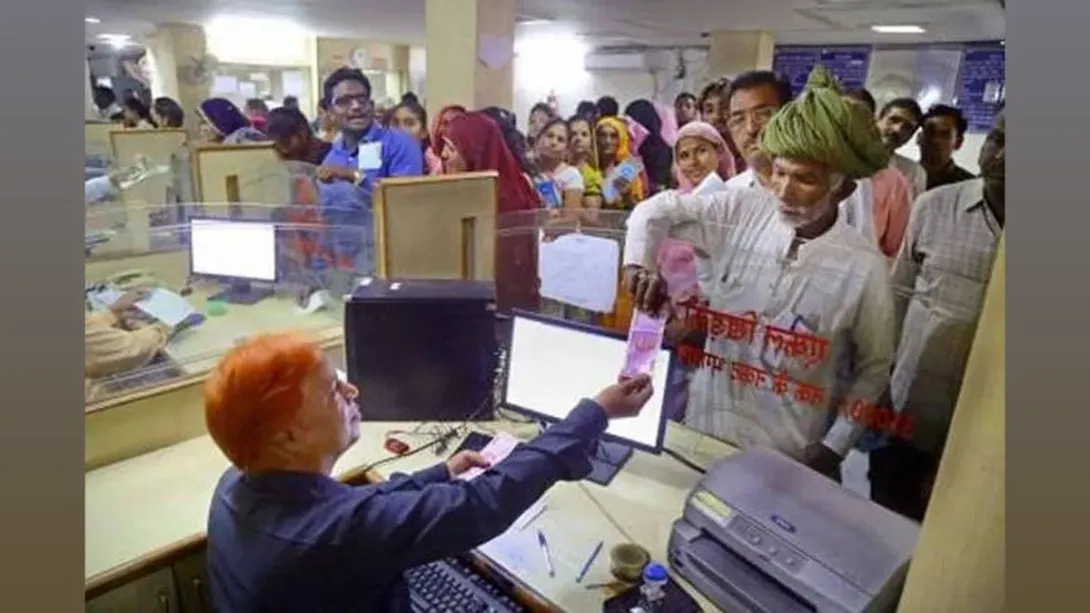
The National Bank for Agriculture and Rural Development (NABARD) is on track to complete the IT integration of amalgamated Regional Rural Banks (RRBs) under the ‘One State, One RRB’ model by September 30. This restructuring—effective since May 1—is aimed at enhancing operational efficiency, lowering costs, and strengthening digital infrastructure in India’s rural banking ecosystem. NABARD Chairman Shaji KV outlined a multi-pronged digital strategy involving common IT platforms, agri-stack development, fintech partnerships, and blockchain-enabled traceability to modernize rural credit systems and enable inclusive growth. These reforms are designed to bridge the rural-urban income gap and foster a new generation of agribusiness entrepreneurs.
Consolidation and Digitization of RRBs
NABARD’s recent reorganization of Regional Rural Banks follows a clear mandate: one consolidated RRB per state. The merger, which came into effect on May 1, reduced the total number of RRBs to 28, spanning 26 states and two union territories, and overseeing more than 22,000 branches across 700 districts.
According to Chairman Shaji KV, the physical consolidation has already been achieved, and full IT integration across the RRB network is expected to be finalized by September 30, 2025. This integration is critical for achieving consistency in service delivery, operational transparency, and scalable digital capabilities across India’s rural banking sector.
Building a Common Digital Ecosystem
NABARD is spearheading the creation of a common digital infrastructure for RRBs, aimed at standardizing credit delivery, integrating government datasets, and improving access to financial services for rural populations. However, digital transformation faces challenges—primarily low internet penetration, infrastructural gaps, and digital literacy deficits.
To address these, NABARD is working collaboratively with NGOs, fintech firms, and governmental agencies. Through initiatives supported by the Financial Inclusion Fund, pilots are being deployed to test scalable, tech-enabled rural financial solutions. The broader objective is to deliver targeted financial inclusion to underserved communities.
Advancing Agricultural Digitization
A key focus of NABARD's strategy lies in the digitization of agricultural value chains. Chairman Shaji noted that over 20 agri value chains have already been digitized. This effort is not only about improving transparency and traceability—especially through blockchain technologies—but also about bringing marginalized farmers, particularly those lacking formal land records, into the financial mainstream.
Additionally, NABARD is collaborating with banks to extend credit and financial services to tenant farmers and sharecroppers, populations historically excluded from formal finance due to lack of documentation.
Building Sectoral Digital Stacks
In line with the government's broader digital push, NABARD is helping design sector-specific digital stacks—namely, the Agri Stack, Fisheries Stack, and Cooperative Stack. These modular digital infrastructures aim to centralize schemes, subsidies, and services for easier access and tracking. The Cooperative Stack, in particular, will enable seamless integration of programs run through Primary Agricultural Credit Societies (PACS), the backbone of rural financial delivery.
Already, over 70,000 cooperative societies have been digitized, reflecting NABARD's progress in modernizing one of India's most traditional financial networks.
Bridging the Rural-Urban Income Divide
Despite housing over two-thirds of India’s population, rural regions contribute just one-third of the national income. NABARD views this economic disparity as a core structural challenge. The institution is focused on transitioning traditional farmers into agribusiness entrepreneurs—a shift that requires capital access, market linkage, and tech enablement.
NABARD’s upcoming initiatives include a regulatory sandbox to provide anonymized data to fintechs for innovation. This move is expected to unlock new business models tailored for rural consumers and catalyze product development that addresses specific pain points in rural finance.
Conclusion
NABARD’s sweeping reforms—centered around digital integration, infrastructure modernization, and inclusive fintech collaboration—represent a foundational shift in India’s approach to rural finance. As it bridges the gap between policy vision and grassroots execution, the institution’s work is not only redefining financial access in rural India but also setting the stage for sustainable, tech-driven economic development. The journey from farmer to agri-entrepreneur has begun—with RRBs and cooperatives at the digital frontier.
Comments