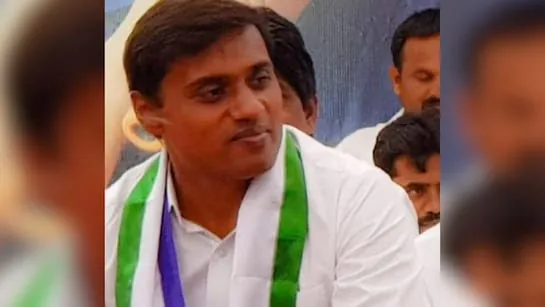
A high-profile political development is set to unfold in Andhra Pradesh as a sitting Member of Parliament from the Yuvajana Sramika Rythu Congress Party (YSRCP) is reportedly preparing to surrender in connection with an alleged liquor licensing scam. The case, which has intensified scrutiny around regulatory lapses and political interference in the state’s excise regime, involves accusations of financial irregularities and manipulation of tenders related to liquor distribution. Authorities are tightening their investigation as the spotlight shifts to the involvement of senior political figures, with the MP’s surrender expected to trigger broader legal and political repercussions.
Political Storm Brews Over Excise Irregularities
The alleged scam revolves around irregularities in the allocation of retail liquor licenses across Andhra Pradesh, where multiple tenders are believed to have been rigged to benefit a network of politically connected individuals and entities. According to sources close to the investigation, several middlemen, bureaucrats, and business operatives have already been interrogated or detained.
The MP, a prominent figure in the YSRCP and considered close to key leadership, is now under pressure to appear before authorities. His expected surrender is being seen as a significant inflection point in the case, potentially leading to the unravelling of a deeper nexus between politics and the state's lucrative liquor trade.
Scale of the Alleged Scam and Financial Implications
Preliminary estimates suggest that the suspected misappropriation of excise revenues could run into hundreds of crores of rupees. Manipulated license allocations, under-reported sales, and off-the-books transactions have allegedly siphoned public funds while inflating retail liquor prices.
Authorities are examining links to shell companies and undisclosed bank accounts. If proven, the financial damage may not be limited to revenue loss but could extend to the credibility of the state’s regulatory framework. The Enforcement Directorate (ED) and other agencies are also believed to be monitoring the money trail for any links to money laundering or cross-border financial flows.
Legal Proceedings and Political Ramifications
The anticipated surrender of the MP may accelerate judicial proceedings, including formal charges under provisions of the Indian Penal Code and the Prevention of Corruption Act. Legal experts suggest that this could pave the way for custodial interrogation, further arrests, and potentially the freezing of assets.
Politically, the case has put the ruling YSRCP on the defensive. Opposition parties have seized on the issue, demanding a full disclosure of all beneficiaries and a CBI-led probe. The unfolding events may impact public sentiment ahead of future elections, particularly if the scandal is perceived to reflect systemic failures within the state administration.
Governance, Accountability, and the Road Ahead
This case underscores persistent concerns about political interference in regulatory processes across India. The liquor licensing sector, historically susceptible to corruption due to its cash-intensive nature, remains a litmus test for administrative transparency. The coming days may see intensified scrutiny not just of the YSRCP MP, but of institutional accountability within the state’s excise and revenue departments.
As legal action escalates, attention will also turn to whether the state government initiates corrective measures, such as reforms in tendering processes, greater use of technology to track transactions, and enhanced oversight mechanisms. A transparent and impartial investigation may be the only way to restore public trust and contain the fallout from this expanding controversy.
Conclusion
The anticipated surrender of the YSRCP MP marks a critical juncture in a scandal that is as much about financial misconduct as it is about political ethics. As investigators close in, and political pressure mounts, the coming weeks may redefine the contours of governance in Andhra Pradesh. Whether the case leads to systemic reform or becomes yet another political flashpoint remains to be seen—but for now, the spotlight is squarely on accountability at the highest levels.
Comments