India’s Rs. 10,000 crore potato industry is in turmoil as prices for the staple crop plummet, sparking alarm among farmers and agricultural economists alike. Surging production and weakened demand have converged to send wholesale and mandi prices crashing—many now below cost of cultivation—leaving growers staring at financial ruin. The fallout could ripple far beyond the farms, impacting storage networks, regional economies, and food processing chains. With input costs rising and policy support lagging, the sector faces structural pressures that threaten not just current income but the future viability of India’s potato economy.
A Sector in Freefall: Farmers Face Devastating Losses
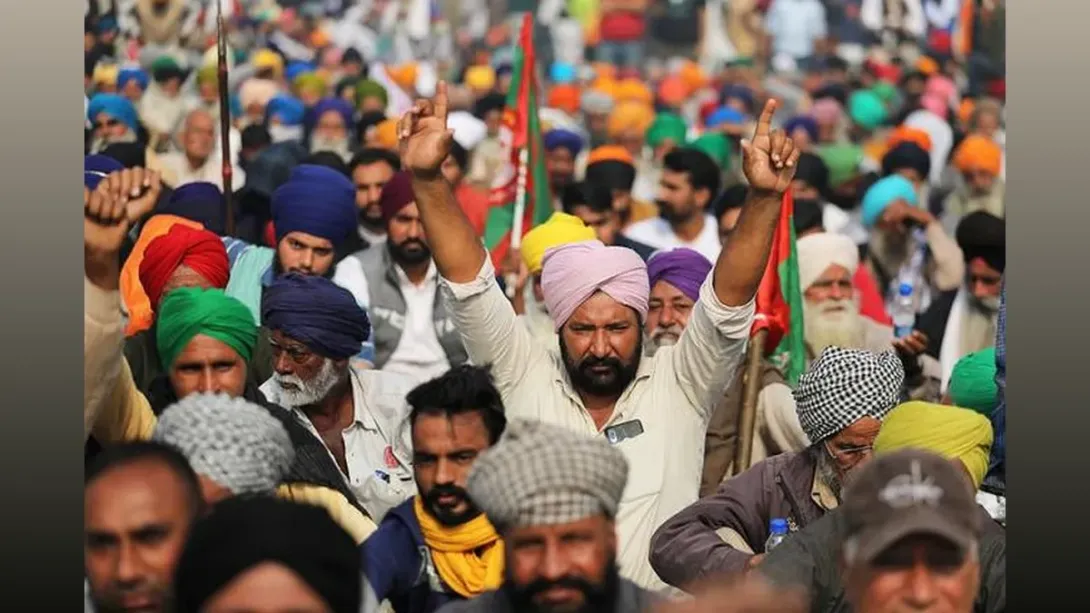
Potato farmers across India are reeling from an unprecedented price crash, with wholesale rates in key agricultural belts nosediving to between Rs. 3 and Rs. 5 per kilogram—barely covering the cost of production, let alone generating profit. In some states, prices have sunk even further, prompting distress sales and mounting agitation from growers.
The situation is particularly severe in Uttar Pradesh, West Bengal, and Punjab, states that collectively account for more than 60% of the nation’s potato output. Farmers here had anticipated robust post-harvest returns after planting extensively in response to last year’s favorable market trends. Instead, a glut in production and soft consumer demand have conspired to erase profitability.
Supply Glut, Sluggish Demand Trigger Crisis
This season’s bumper harvest—estimated at over 58 million tonnes—has overwhelmed cold storage facilities and flooded local mandis. With exports limited and processing companies yet to absorb significant volumes, the oversupply has placed severe downward pressure on prices.
At the same time, consumption patterns have remained relatively flat. Urban demand, typically a stabilizing factor for perishable commodities, has failed to offset the surplus, while rural consumption has shown signs of stagnation amid broader inflationary pressures.
This imbalance between production and demand has become a recurring theme in Indian agriculture, where cyclical booms in output often outpace market readiness.
Rs. 10,000 Crore Industry at Risk of Structural Disruption
India’s potato economy—estimated at Rs. 10,000 crore annually—is deeply interconnected with cold storage operators, logistics chains, seed suppliers, and agri-financiers. The current crisis risks triggering a cascading impact across this entire value network.
Many farmers are now unable to afford storage fees, forcing premature sales or even crop dumping. Cold storage owners, in turn, are struggling with underutilization, rising energy costs, and mounting dues from clients who cannot pay. In districts like Agra and Bardhaman, reports indicate storage occupancy is down significantly compared to previous years.
Calls for Government Intervention Grow Louder
Farmer unions and agricultural economists are urging the government to step in with both immediate and long-term measures. Demands range from minimum support pricing (MSP) for potatoes—a politically sensitive and logistically complex move—to expanded procurement under price stabilization schemes.
Others are calling for interest waivers on agri-loans, freight subsidies for exports, and infrastructure investments to support food processing and value addition. Without timely support, stakeholders warn, the sector could see a dramatic contraction in planting next season, further destabilizing India’s vegetable supply chain.
The Road Ahead: Navigating Policy and Market Reform
This price collapse is a stark reminder of the structural weaknesses in India’s agri-market architecture. From over-reliance on a few states to inadequate export channels and fragmented cold chain infrastructure, the sector’s vulnerability to boom-bust cycles is clear.
Experts suggest a multi-pronged approach: real-time data on supply trends, better forecasting, regional diversification, and incentives for food processing industries to absorb excess crop. In the long run, empowering farmer producer organizations (FPOs), encouraging contract farming, and improving rural market access will be key to creating a resilient ecosystem.
Conclusion
The potato price crash of 2025 may appear seasonal on the surface, but its implications run deep. If India hopes to protect its Rs. 10,000 crore potato economy from repeated shocks, it must look beyond short-term relief and invest in long-term, systemic reform. The resilience of millions of farmers—and the stability of rural economies—hangs in the balance.
Comments