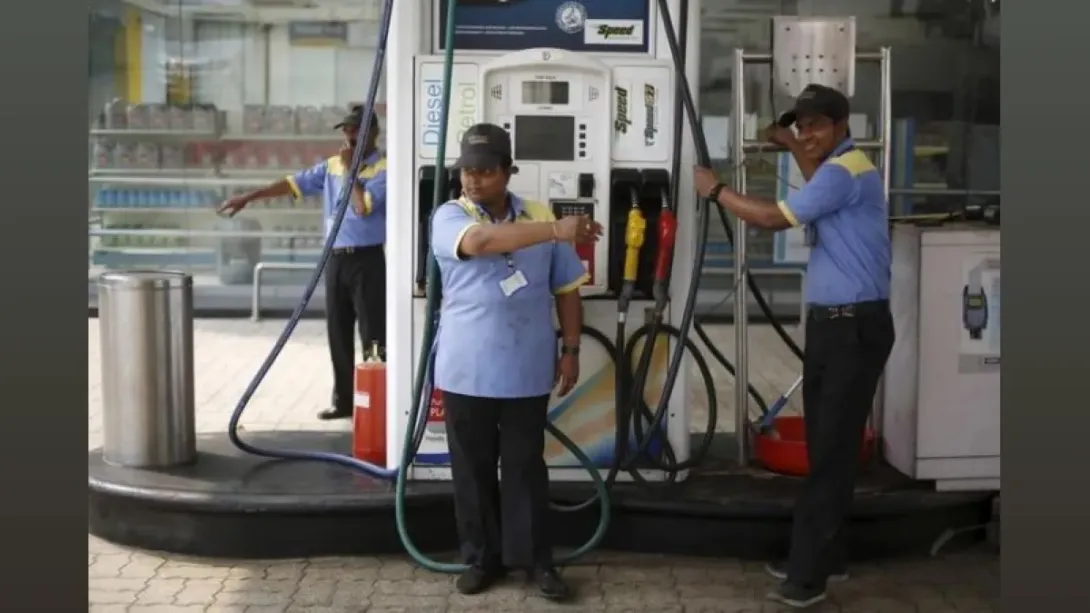
In a development likely to impact operational costs and budget allocations, oil marketing companies have reduced the fuel discount offered to the Maharashtra State Road Transport Corporation (MSRTC). The reduction, though not a complete withdrawal, narrows the financial relief previously extended to the loss-making public transporter. The move is expected to increase MSRTC’s fuel expenses substantially, potentially affecting its ticket pricing, service routes, and long-term financial strategy. While the state government has yet to announce mitigation measures, the decision underscores broader fiscal strains faced by public utilities in the face of tightening margins across the energy sector.
---
Fuel Discount Reduction Sparks Financial Alarm
MSRTC, one of India’s largest public transport operators, has seen a significant portion of its fuel-related financial relief trimmed after oil companies revised their discount policy. The earlier discount, which offered a notable buffer against rising diesel prices, has been reduced—escalating MSRTC’s per-litre diesel cost and thereby inflating its operating expenditure.
While oil firms cited cost rationalization and uniform pricing mechanisms as reasons behind the revision, the decision arrives at a time when MSRTC is struggling to achieve fiscal recovery. According to internal estimates, the revised discount may result in an additional annual burden of over Rs. 100 crore on the corporation.
---
Impact on MSRTC's Operations and Budget
Fuel comprises nearly 40% of MSRTC’s total operating costs. Any alteration in pricing or discount structures directly affects the corporation’s financial equilibrium. With the reduced discount, MSRTC's cost per kilometre is expected to rise, placing strain on its already stretched resources.
The organization has been working to stabilize its finances post-pandemic, navigating challenges such as low passenger turnout, high maintenance costs, and delayed subsidies. The latest move threatens to reverse some of the fiscal discipline gains achieved over the past year.
Officials are reportedly considering route rationalization, curbing underperforming services, or potentially revising fare structures to mitigate the impact of rising fuel costs.
---
Broader Implications for Public Transport Policy
The rollback in fuel concessions comes amid heightened scrutiny of subsidies and special pricing arrangements across sectors. Oil companies, operating in a high-cost environment with fluctuating global crude prices, are increasingly pushing for standardization in supply agreements—even with government entities.
This trend presents a challenge for public-sector utilities such as MSRTC, which depend on concessional inputs to offer low-cost services to rural and urban commuters alike. The reduced discount could set a precedent for similar actions in other states, compelling transport corporations to rethink cost structures and funding models.
Moreover, the situation highlights the absence of a dedicated fuel pricing mechanism for public transport services—an area experts argue should be addressed through national-level policy reform.
---
Call for State Government Intervention
MSRTC’s management has appealed to the Maharashtra government for financial support to absorb the additional fuel costs. Options being explored include a direct subsidy, a budgetary allocation to cover fuel expenditure gaps, or a temporary fare hike that balances operational viability with commuter affordability.
With over 15,000 buses operating daily and serving millions of passengers—many from economically weaker sections—the corporation plays a critical role in state mobility. Any disruption to services or increase in fares could spark public backlash and impact rural connectivity.
Stakeholders have urged the state to prioritize the issue in upcoming fiscal discussions, ensuring that MSRTC’s operations remain uninterrupted while exploring sustainable cost-reduction strategies.
---
Conclusion: A Stress Test for Public Sector Sustainability
The reduction in fuel discounts for MSRTC marks more than a financial adjustment—it is a signal of the growing fiscal vulnerability of public transport systems in India. As operational subsidies and negotiated discounts come under review, the onus is now on state governments and policy planners to build more resilient, cost-effective, and environmentally aligned mobility systems. Without timely intervention, essential services like MSRTC risk becoming casualties of shifting market dynamics and policy recalibrations.
Comments