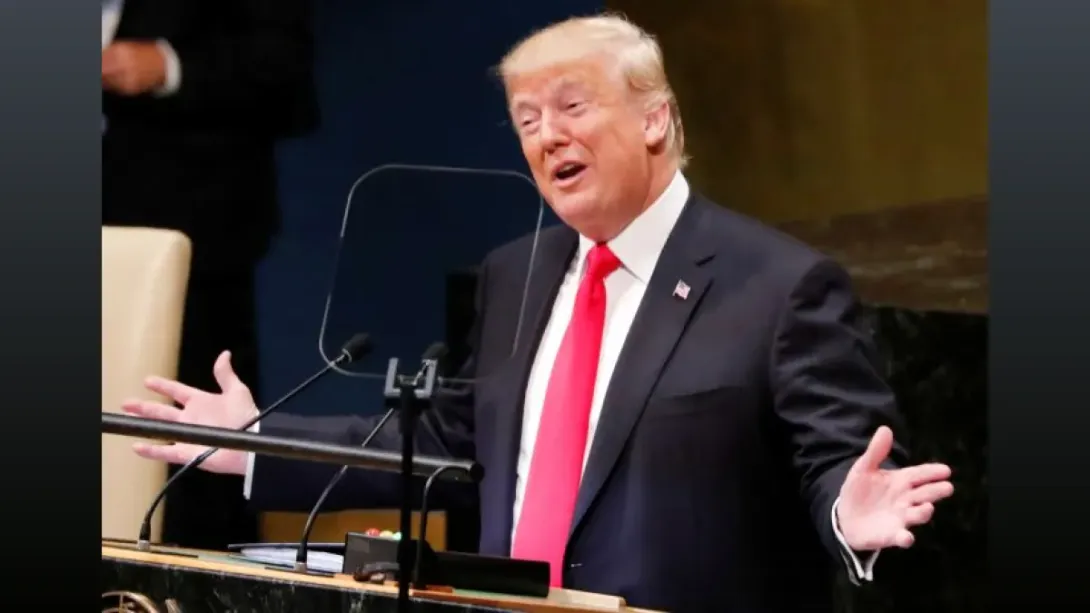
Amid mounting trade tensions between India and the United States, the National Democratic Alliance (NDA) has reiterated its unwavering support for Prime Minister Narendra Modi’s stance on safeguarding national economic interests. The dispute, centered around retaliatory tariffs and market access disagreements, has triggered diplomatic friction between New Delhi and Washington. While the U.S. presses for greater concessions in sectors like medical devices, agriculture, and e-commerce, the Modi-led government is holding firm, citing sovereignty, domestic industry protection, and fair trade as non-negotiable principles. The NDA’s backing signals political unity on the international stage, reinforcing India’s resolve during this sensitive phase of trade diplomacy.
---
Political Cohesion Amid Global Economic Pressure
In a rare display of internal unanimity, NDA allies have come out strongly in support of Prime Minister Modi’s approach to the U.S. trade dispute. The endorsement comes at a critical juncture, as global economic realignments and bilateral expectations threaten to reshape India’s external trade policies.
Coalition partners emphasized that India’s interests must not be compromised under international pressure. Their collective statement endorsed Modi’s stand on reciprocal trade relations and the need to ensure Indian businesses—especially small and medium enterprises—are not undermined by unilateral tariff moves from Washington.
This political alignment is expected to bolster India’s negotiating position and present a united front amid ongoing diplomatic and commercial engagements.
---
Roots of the Tariff Disagreement
At the heart of the dispute lies a series of tariffs imposed by both nations in response to mutual grievances. The U.S. has raised objections over India’s digital economy regulations, price controls on imported medical devices, and restrictions on American agricultural exports. In return, India has countered with tariff hikes on select U.S. goods, including almonds, apples, and select steel products—moves that New Delhi argues are calibrated responses to safeguard its own economy.
Trade analysts suggest that while the monetary value of goods impacted is moderate, the broader implications are strategic. Both nations are navigating a complex balancing act: pursuing closer ties while asserting economic self-interest in an increasingly multipolar world.
---
Modi's Position: Strategic Autonomy Over Concessions
Prime Minister Modi has adopted a firm posture, refusing to concede to what his administration views as one-sided demands. He has reiterated that India’s digital infrastructure, pharmaceutical policies, and agricultural pricing mechanisms are rooted in national priorities and cannot be compromised for the sake of temporary diplomatic appeasement.
The NDA has echoed this sentiment, stating that any trade agreement must uphold India’s developmental goals and long-term industrial competitiveness. According to insiders, Modi’s administration is open to dialogue but will not relent on policies that are integral to domestic employment, rural welfare, or data sovereignty.
This signals a broader ideological shift in India’s external economic policy—from passive engagement to assertive negotiation.
---
Domestic Industries Caught in the Crossfire
While the political message is clear, Indian exporters and manufacturers remain anxious about potential fallout. Sectors like pharmaceuticals, textiles, and auto components—many of which depend on U.S. market access—face uncertainty. Likewise, American firms operating in India are concerned about regulatory unpredictability and import duties.
The NDA has assured stakeholders that efforts are underway to diversify trade partners and build domestic resilience. Initiatives like Atmanirbhar Bharat (self-reliant India), production-linked incentive (PLI) schemes, and bilateral talks with other economies are being positioned as safeguards against external disruptions.
At the same time, back-channel negotiations between trade envoys are reportedly active, indicating that a resolution—though distant—remains possible.
---
Geopolitics and Global Trade Realignment
The dispute must also be viewed through a wider geopolitical lens. With China’s economic model facing global skepticism, India is being seen as a potential alternative manufacturing and technology hub. However, to attract sustainable investment and deepen strategic ties, India must strike a balance between protecting domestic interests and ensuring policy predictability for foreign investors.
Modi’s assertive response reflects this dual mandate—preserving India’s negotiating power while signaling that it cannot be strong-armed into unfavorable terms.
U.S. officials, for their part, continue to express optimism about resolving differences. However, upcoming political cycles in both countries may determine how quickly progress can be made.
---
Conclusion: Strategic Patience Amid Trade Uncertainty
The NDA’s unified support for Prime Minister Modi underscores a broader national consensus on resisting undue external pressure, especially in matters of economic sovereignty. As the trade dialogue unfolds, India is expected to maintain its strategic patience—open to negotiation, but unwilling to compromise core policy principles. The outcome of this standoff could set a precedent for how emerging economies engage with global superpowers in a shifting world order.
Comments