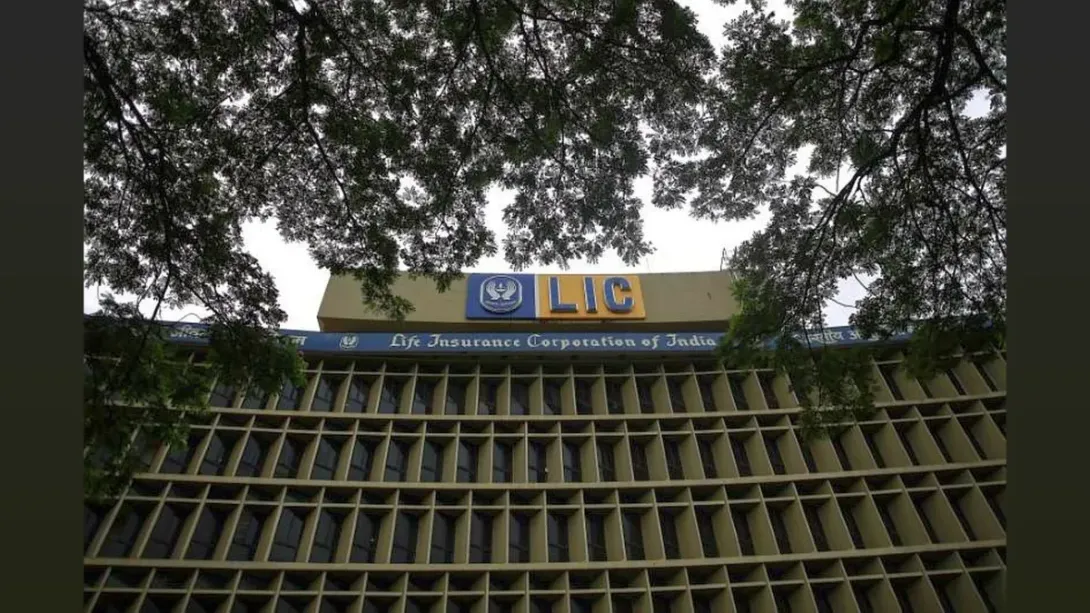
In a significant move toward fiscal consolidation and market reform, the Indian government has appointed merchant bankers to manage the planned divestment of its equity stakes in Life Insurance Corporation of India (LIC) and select public sector banks (PSBs). The appointments mark a renewed push to revive the Centre’s disinvestment agenda, with strategic stake sales expected to contribute substantially to non-tax revenue in the current fiscal year. By leveraging professional financial advisors for valuation, due diligence, and execution, the government aims to streamline the process while ensuring transparency and value maximization for state-held assets.
Strategic Divestment Back in Focus
Amid evolving macroeconomic priorities, the Centre is recalibrating its disinvestment roadmap by resuming the stake sale process in key financial institutions. The decision to bring in merchant bankers signals the preparatory groundwork for offloading minority stakes in both LIC and select PSBs. These divestments are not only intended to generate revenue but also align with long-term objectives of improving efficiency, broadening ownership, and encouraging greater private sector participation in India’s financial ecosystem.
The renewed emphasis on disinvestment comes after a period of subdued activity, with earlier plans facing delays due to market volatility and global economic uncertainty. The move now reflects a more confident market outlook and policy intent.
LIC: The Crown Jewel of Disinvestment
The appointment of bankers for LIC’s stake sale holds particular significance. As India’s largest insurer, LIC commands substantial market share, a massive asset base, and unmatched brand recognition. Following its high-profile IPO in 2022—the largest in the country’s history—LIC remains a critical asset in the government’s portfolio.
A further dilution of equity could enhance public float, improve liquidity, and make the stock more attractive to institutional investors. Merchant bankers will play a key role in ensuring fair valuation, identifying investor interest, and timing the offering to maximize proceeds. The government may also consider offering a portion of shares to retail and policyholder segments to deepen market participation.
Public Sector Banks: Unlocking Value Through Market Discipline
The government’s decision to appoint financial advisors for stake sales in public sector banks is in line with broader efforts to reform and professionalize India’s banking system. Over the past few years, PSBs have undergone significant consolidation, capital infusion, and regulatory strengthening. With improving asset quality and better earnings performance, several state-run banks are now better positioned to attract market interest.
A strategic stake sale is expected to reinforce governance reforms, unlock value for investors, and reduce the fiscal burden of capital support. By bringing in institutional capital and enhancing market accountability, the government hopes to create more agile, competitive banking entities.
Fiscal Implications and Market Sentiment
Stake sales in LIC and PSBs are expected to contribute meaningfully to the government’s disinvestment target for FY2025. With a stated aim of raising over Rs. 50,000 crore through divestments and asset monetization, these moves are vital for managing the fiscal deficit and funding capital expenditure without resorting to excessive borrowing.
Market participants are likely to view the appointments as a positive signal of policy continuity and execution resolve. However, successful transactions will depend on favorable market conditions, investor sentiment, and precise execution—factors that merchant bankers are now tasked with navigating.
Conclusion
By appointing merchant bankers to manage the stake sales in LIC and public sector banks, the government has taken a definitive step toward reviving its strategic disinvestment agenda. These transactions carry both economic and symbolic weight, reinforcing India’s commitment to fiscal prudence, market development, and institutional reform. As the process unfolds, it will serve as a barometer for investor confidence, policy clarity, and the future of state-owned enterprises in an increasingly market-driven economy.
Comments