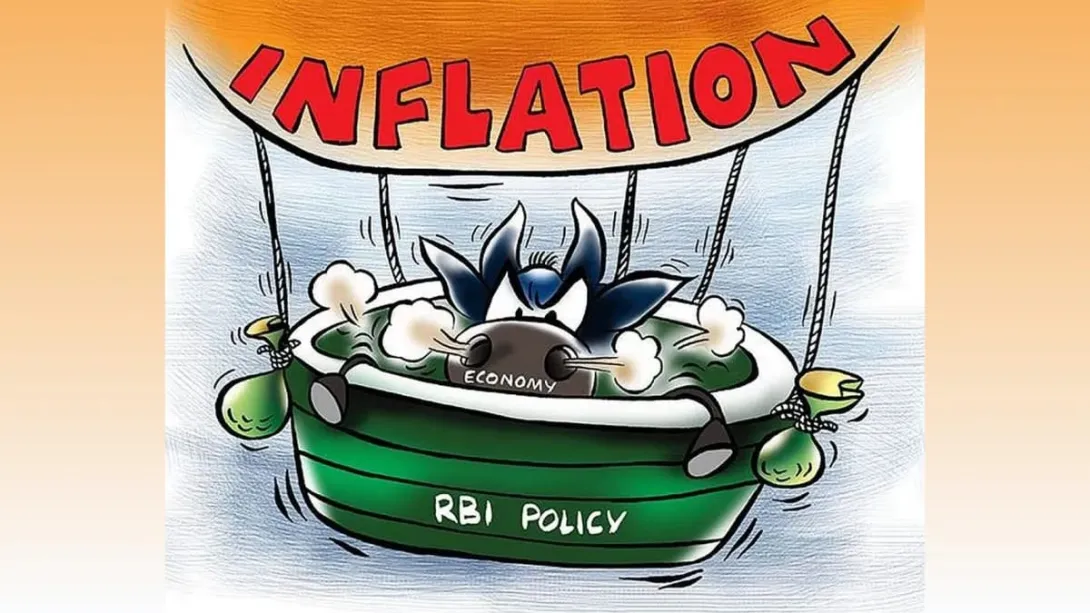
The Reserve Bank of India (RBI) has initiated a public consultation to assess whether the existing inflation target of 4%, within a tolerance band of ±2%, remains appropriate for the nation’s evolving macroeconomic conditions. This review, mandated every five years under the flexible inflation targeting framework, comes amid global volatility, supply-chain disruptions, and shifting domestic growth dynamics. By inviting public feedback, the central bank aims to incorporate diverse perspectives—from economists and market participants to industry stakeholders and ordinary citizens—into shaping its monetary policy stance. The outcome will guide price stability objectives while balancing growth and financial stability priorities.
Inflation Targeting Under Review
Since its adoption in 2016, India’s flexible inflation targeting regime has anchored monetary policy decisions around a medium-term target of 4%. This framework has been credited with reducing volatility in inflation expectations and strengthening monetary credibility. However, recent episodes of supply-driven price shocks, especially in food and fuel, have tested the effectiveness of the current band of 2–6%.
RBI’s review will determine whether adjustments are needed to better align with India’s structural realities, where inflation is often influenced by agricultural cycles, imported commodities, and global market shifts.
The Case for Continuity vs. Revision
Analysts are divided on whether the existing framework should be retained or recalibrated. Proponents of continuity argue that the 4% target has provided a clear, credible anchor for households and businesses, fostering stability in long-term borrowing costs and investment planning.
On the other hand, critics suggest that a wider band or higher target may provide greater flexibility in accommodating supply shocks without pushing monetary policy into an overly restrictive stance. Conversely, some economists argue for a tighter framework to reinforce discipline in price management.
Public Feedback and Policy Transparency
By seeking public feedback, the RBI has underscored its commitment to participatory policymaking and transparency. The consultation process allows academics, financial institutions, trade bodies, and individual citizens to weigh in on whether the inflation target adequately reflects India’s economic aspirations and structural vulnerabilities.
The responses will be collated and evaluated alongside technical assessments, providing the government and the RBI’s Monetary Policy Committee with a holistic foundation for the next five-year framework.
Implications for Growth and Markets
The outcome of this review will have direct implications for monetary policy, interest rates, and capital markets. A higher tolerance for inflation could allow the central bank more room to support growth during downturns, while a stricter mandate might strengthen investor confidence but risk tightening liquidity during supply shocks.
For businesses and households, the decision will shape borrowing costs, investment appetite, and savings behavior over the medium term. Global investors will also closely track the review, as India’s inflation stance affects bond yields, currency stability, and capital inflows.
Looking Ahead
The RBI’s consultation is not merely a technical exercise but a signal of evolving policymaking in a dynamic economy. As India balances its twin goals of sustaining robust growth and maintaining price stability, the decision on whether to retain or recalibrate the 4% inflation target will serve as a cornerstone of its economic trajectory for the next five years.
Comments