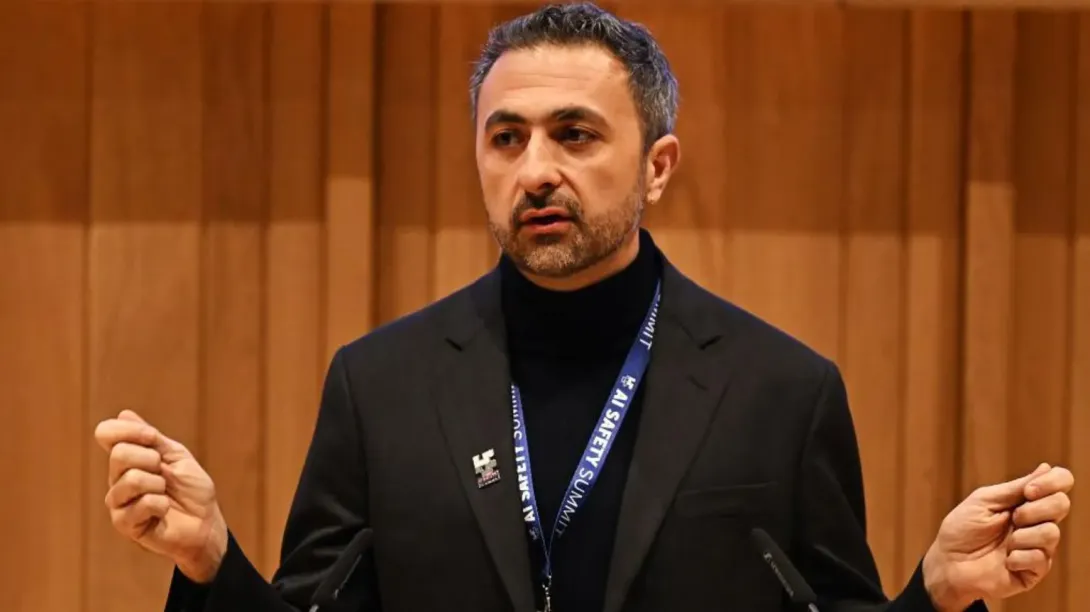
Microsoft’s leadership has expressed unease over the rising number of reports describing what researchers and clinicians are calling “AI psychosis” — a phenomenon in which individuals exhibit anxiety, paranoia, or distorted perceptions linked to excessive interaction with artificial intelligence systems. While AI adoption has accelerated across industries and households, the unintended psychological consequences are now drawing serious attention. The issue highlights the growing tension between rapid technological innovation and its social implications, raising questions about mental health safeguards, ethical AI deployment, and the responsibility of corporations driving this digital transformation.
Defining ‘AI Psychosis’
The term “AI psychosis” refers to psychological disturbances where individuals struggle to distinguish between reality and AI-generated outputs, or develop obsessive dependencies on conversational systems, virtual companions, or algorithm-driven platforms. Experts note that these symptoms often include heightened paranoia, loss of trust in human interactions, and compulsive reliance on AI feedback. Though not yet formally classified in medical literature, the rising number of cases underscores the need for early study and preventive measures.
Microsoft’s Position and Concerns
The Microsoft executive acknowledged that while AI brings immense productivity and innovation, its social and psychological impact cannot be ignored. The company has invested heavily in responsible AI frameworks, but the emergence of mental health side effects has created a fresh challenge. Microsoft emphasized that technology providers must anticipate unintended consequences and collaborate with medical experts, regulators, and policymakers to ensure AI is integrated into society without compromising human well-being.
The Broader Social Impact
Reports of AI-induced psychological distress are emerging globally, particularly among younger demographics and frequent technology users. With AI increasingly embedded in education, work, and entertainment, the risk of overexposure is heightened. Behavioral scientists argue that prolonged reliance on AI-driven interactions could erode critical thinking, encourage social isolation, and heighten stress in vulnerable individuals. This phenomenon may also complicate broader societal issues such as misinformation, trust deficits, and the long-term evolution of human-AI relationships.
Business and Ethical Dimensions
For corporations, the rise of AI-related psychological concerns introduces both reputational and operational risks. Firms that fail to address the problem may face regulatory scrutiny and public backlash. On the other hand, companies that invest in safeguards — such as transparent design, usage limits, and in-built wellness prompts — could build trust and capture a competitive advantage. As AI becomes central to business models, balancing profit motives with ethical responsibility will be a defining challenge.
A Call for Collaboration
The growing discourse around “AI psychosis” reflects a larger truth: technology cannot be decoupled from human impact. Policymakers, mental health professionals, and technology leaders must collectively shape guardrails that prioritize both innovation and well-being. Awareness campaigns, psychological support structures, and transparent product design could mitigate risks while ensuring society benefits from AI’s transformative potential.
Looking Forward
The acknowledgement by Microsoft’s leadership signals an important shift in corporate responsibility toward AI adoption. Beyond productivity and efficiency, the conversation is now moving toward human resilience and safety in an AI-dominated future. Whether “AI psychosis” becomes a formally recognized condition or remains a descriptive term, the phenomenon highlights a pressing need: technology must evolve with humanity, not at its expense.
Comments