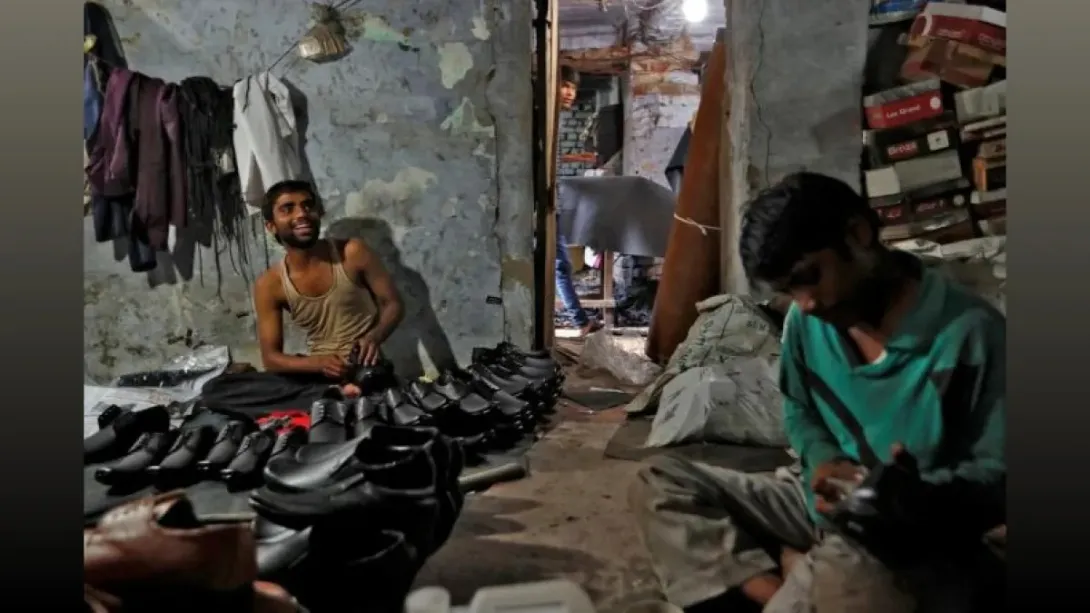
The imposition of fresh US tariffs has cast a shadow over West Bengal’s export-dependent industries, particularly leather, marine products, and engineering goods. Exporters fear that the higher duties will erode competitiveness, squeeze margins, and impact employment in the state’s manufacturing clusters. Industry stakeholders are calling for government support to mitigate the fallout, as exporters grapple with volatile global demand and rising input costs. With the US being a key market, the tariffs threaten to disrupt supply chains and destabilize a region that has been working to expand its export footprint in the global economy.
Bengal’s Export Dependence and Sectoral Impact
West Bengal has long relied on the US market for a significant share of its export earnings, with leather, seafood, and light engineering goods forming the backbone of its foreign trade. The newly imposed tariffs are expected to directly hit these sectors, undermining the competitive advantage that Bengal exporters enjoyed in recent years.
Leather goods, a hallmark of Kolkata’s traditional craftsmanship, face steep duties, raising fears that orders may shift to competing hubs such as Vietnam or Bangladesh. Marine exports, especially shrimp and fish varieties, are equally vulnerable, as American importers may seek cheaper sources elsewhere. The engineering sector, which supplies machinery components, castings, and precision tools, also stands at risk of losing contracts due to increased costs.
Pressure on Employment and Livelihoods
The state’s export-linked industries employ thousands of workers, many from semi-skilled and economically disadvantaged backgrounds. In Kolkata’s leather hub in Bantala and in coastal aquaculture belts, livelihoods depend heavily on sustained overseas demand. Higher tariffs could lead to reduced export volumes, factory slowdowns, and job cuts. For a state already struggling with high unemployment, the implications extend beyond trade figures, threatening to dent both household incomes and regional economic stability.
Calls for Policy Intervention
Exporters and trade associations have urged the Union and state governments to step in with targeted relief measures. Suggestions include interest subsidies on export credit, tax rebates, faster GST refunds, and enhanced market diversification support. Industry experts argue that without government intervention, small and medium enterprises in Bengal could face insolvency.
Additionally, there are calls to intensify trade diplomacy with the US to negotiate exemptions for sensitive sectors. Analysts also highlight the importance of exploring alternative markets in Europe, Africa, and Southeast Asia to reduce dependence on the American consumer base.
Strategic Outlook for Bengal’s Trade
The tariffs arrive at a time when global trade dynamics are already strained by inflationary pressures, supply chain disruptions, and shifting geopolitical alignments. For Bengal, the episode underscores the urgent need to diversify its export destinations, upgrade technology in manufacturing clusters, and enhance competitiveness through quality certification and branding.
While the immediate impact may be painful, the long-term trajectory will depend on how quickly exporters adapt and how effectively policymakers cushion the blow. If managed strategically, the crisis could become an inflection point for Bengal to reposition itself in global trade with resilience and innovation.
Comments