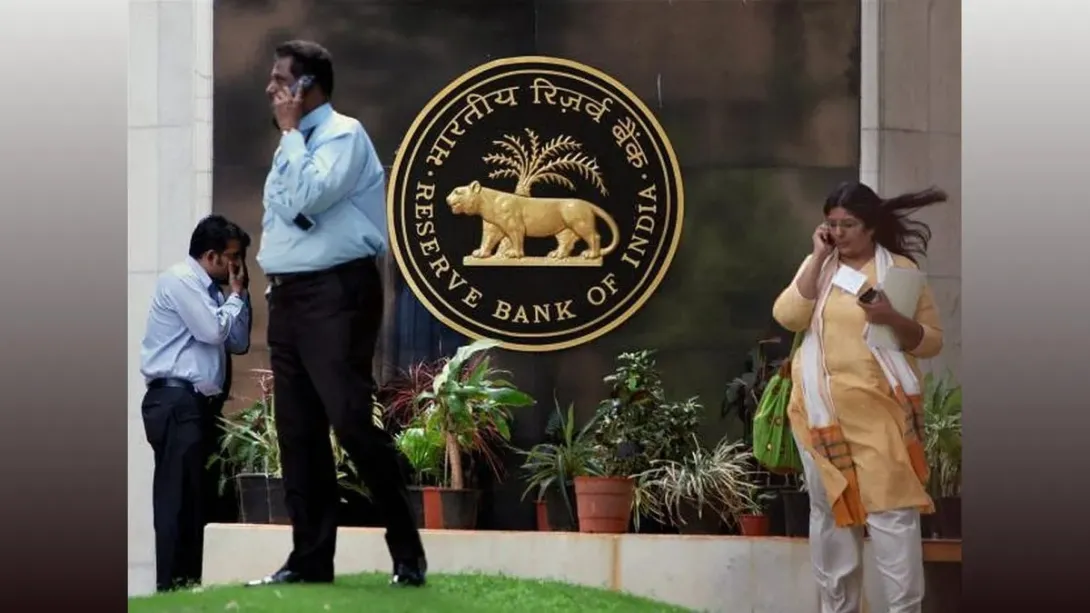
The Reserve Bank of India (RBI) has levied a monetary penalty of Rs. 44.7 lakh on Bandhan Bank for non-compliance with specific regulatory directives. The central bank stated that the action followed a supervisory examination that uncovered lapses in adherence to certain provisions under RBI guidelines. While the penalty does not question the validity of customer transactions or the financial standing of the bank, it underscores the regulator’s increasingly strict stance on governance, operational discipline, and compliance culture within India’s banking sector.
Nature of the Regulatory Action
According to RBI’s announcement, the penalty was imposed under the provisions of the Banking Regulation Act, 1949. The irregularities identified pertained to deviations from mandated directions issued to the bank. The central bank clarified that the action was based on deficiencies in compliance and not intended to impugn the bank’s financial soundness or customer protection standards.
RBI’s Supervisory Emphasis
The decision reflects the RBI’s broader focus on ensuring that banks, especially private lenders, adhere strictly to operational norms and risk management frameworks. Over the past few years, the regulator has intensified its scrutiny of governance standards in both traditional and new-age financial institutions. By penalizing even relatively minor breaches, the RBI aims to signal that adherence to regulatory protocols is non-negotiable.
Bandhan Bank’s Position
Bandhan Bank, a leading private lender with a significant presence in microfinance and retail banking, has not issued a detailed public statement beyond acknowledging the regulator’s order. The bank is expected to strengthen its compliance processes to prevent recurrence of such lapses. Despite the penalty, the institution’s balance sheet remains robust, and the action is unlikely to materially affect its operations.
Broader Implications for the Banking Sector
The RBI’s move is part of a consistent pattern of imposing fines on banks and non-banking financial companies (NBFCs) for governance failures. By doing so, the regulator seeks to foster a culture of transparency and accountability in the sector. Experts argue that such penalties serve as cautionary lessons for the entire industry, pushing financial institutions to revisit their internal systems, compliance frameworks, and reporting mechanisms.
Conclusion
The Rs. 44.7 lakh penalty against Bandhan Bank reaffirms RBI’s zero-tolerance approach to non-compliance, irrespective of a lender’s size or market influence. While the fine itself may be financially insignificant for a bank of Bandhan’s scale, the reputational signal is clear—regulatory discipline is central to India’s financial stability. Going forward, the emphasis on compliance is expected to intensify as the central bank continues to fortify the resilience of the banking system.
Comments