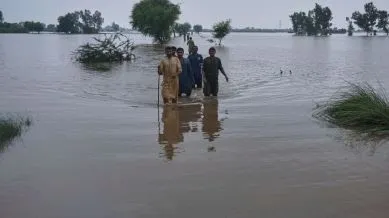
Pakistan’s Punjab province is grappling with unprecedented floods, displacing more than 2 million people and causing extensive damage to homes, infrastructure, and agricultural land. Torrential monsoon rains and overflowing rivers have submerged vast areas, prompting large-scale evacuations and emergency relief operations. Authorities, alongside the National Disaster Management Authority (NDMA) and local agencies, are working to provide shelter, medical aid, and food supplies to affected populations. The floods are not only a humanitarian crisis but also pose serious economic challenges, as destroyed crops, damaged roads, and disrupted services threaten livelihoods and long-term regional stability.
---
Scope of the Disaster
Heavy rainfall over the past week has triggered catastrophic flooding in multiple districts of Punjab, Pakistan’s most populous province. Rivers and canals have breached embankments, inundating towns and villages, with thousands of homes submerged.
Reports indicate that over 2 million residents have been impacted, with many forced to seek temporary shelters in schools, community centers, and government-run camps. Communication and transportation networks have been severely disrupted, hindering relief operations.
---
Human and Economic Toll
The floods have caused significant loss of life and injuries, with vulnerable populations, including children and the elderly, most affected. Thousands of families are displaced, facing inadequate shelter, sanitation, and access to clean water.
Agricultural damage is extensive, with standing crops destroyed, livestock lost, and irrigation systems compromised. The economic ramifications are expected to be severe, potentially affecting food supply, regional trade, and rural incomes.
---
Rescue and Relief Efforts
The Pakistani government, along with NDMA and provincial authorities, has mobilized rescue teams equipped with boats, helicopters, and medical supplies. Evacuation efforts are ongoing, with priority given to heavily affected districts.
Relief measures include temporary shelters, distribution of food, drinking water, and essential medicines. Health authorities are monitoring potential outbreaks of waterborne diseases, while international aid agencies are being engaged to provide additional support.
---
Infrastructure and Long-Term Concerns
Floodwaters have damaged critical infrastructure, including roads, bridges, schools, and electricity networks. Restoring basic services will require substantial resources and time, delaying recovery for affected communities.
Experts emphasize the urgent need for long-term flood management strategies, including improved drainage systems, river embankments, and climate-resilient urban planning, as extreme weather events become increasingly frequent in the region.
---
Outlook
As waters begin to recede in some areas, the focus is shifting toward rehabilitation and rebuilding. Authorities are working to assess damage, restore livelihoods, and implement disaster mitigation measures.
The Punjab floods in Pakistan represent one of the most severe humanitarian and economic crises in recent memory, underscoring the urgent need for preparedness, early warning systems, and coordinated regional responses to climate-induced disasters.
Comments