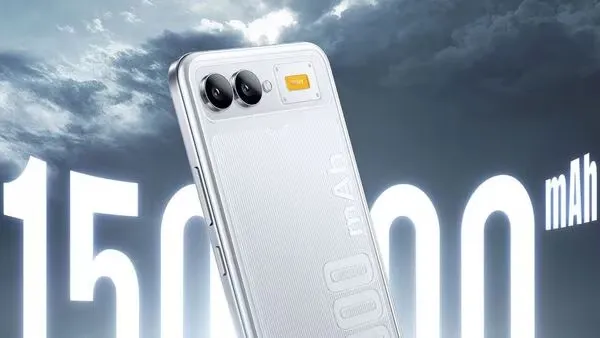
Realme has ignited industry discussions with its latest concept smartphone, equipped with a groundbreaking 15,000mAh battery—far larger than the power capacity of standard flagship devices. While still in the prototype stage, the innovation aims to redefine user expectations around endurance, portability, and device functionality. By focusing on ultra-high battery performance, Realme seeks to carve a niche in a highly competitive smartphone market dominated by Apple, Samsung, and Chinese rivals. If commercialized, the concept could appeal to power users, gamers, and professionals who demand extended battery life without frequent charging, potentially influencing future design trends in the sector.
A Bold Step in Smartphone Innovation
Realme’s decision to showcase a handset with a 15,000mAh battery underscores its strategy of breaking away from incremental improvements to make a distinct technological statement. The capacity far exceeds industry norms, where even top-tier flagships typically carry batteries ranging between 4,000mAh and 6,000mAh. Such a leap, if executed effectively, could position Realme as a disruptor in an industry where consumers increasingly value battery endurance over mere performance upgrades.
The Battery Race in Smartphones
Battery life has long been a pain point for smartphone users. As devices have become more powerful—with advanced displays, faster processors, and AI-driven features—energy demands have increased significantly. While fast charging and power optimization have helped, true breakthroughs in battery capacity have been rare. Realme’s concept demonstrates an alternative approach: drastically expanding power reserves rather than relying solely on efficiency improvements.
Potential Use Cases and Market Appeal
The introduction of a 15,000mAh battery could be particularly appealing to segments such as gamers, remote workers, frequent travelers, and outdoor enthusiasts. With such capacity, users could potentially operate their devices for several days without charging. Beyond convenience, this approach could also open opportunities in developing markets where electricity access is inconsistent, making extended battery performance a valuable selling point.
Design and Engineering Challenges
Despite its promise, integrating a 15,000mAh battery poses significant engineering challenges. Larger batteries inevitably add weight and thickness, potentially compromising the sleek form factors that modern consumers expect. Additionally, thermal management, safety, and charging speeds become critical concerns at such scale. Realme’s ability to balance battery innovation with design practicality will determine whether the concept transitions into a viable commercial product.
Implications for the Smartphone Industry
If Realme brings this device to market, it could pressure competitors to rethink their own battery strategies. Much like the adoption of high-refresh-rate displays and fast charging, a push toward ultra-large batteries could set new benchmarks across the industry. Moreover, success in this space could elevate Realme’s global standing, shifting it from a value-focused brand to an innovation leader.
Conclusion
Realme’s concept phone with a 15,000mAh battery highlights the brand’s ambition to challenge industry conventions and address one of the most persistent consumer pain points: short battery life. While practical hurdles remain, the announcement has sparked conversations about the future of smartphone design and the role endurance will play in shaping consumer preferences. Should Realme manage to refine and commercialize the concept, it may not only win over power users but also trigger a broader shift in how manufacturers approach energy solutions in mobile technology.
Comments