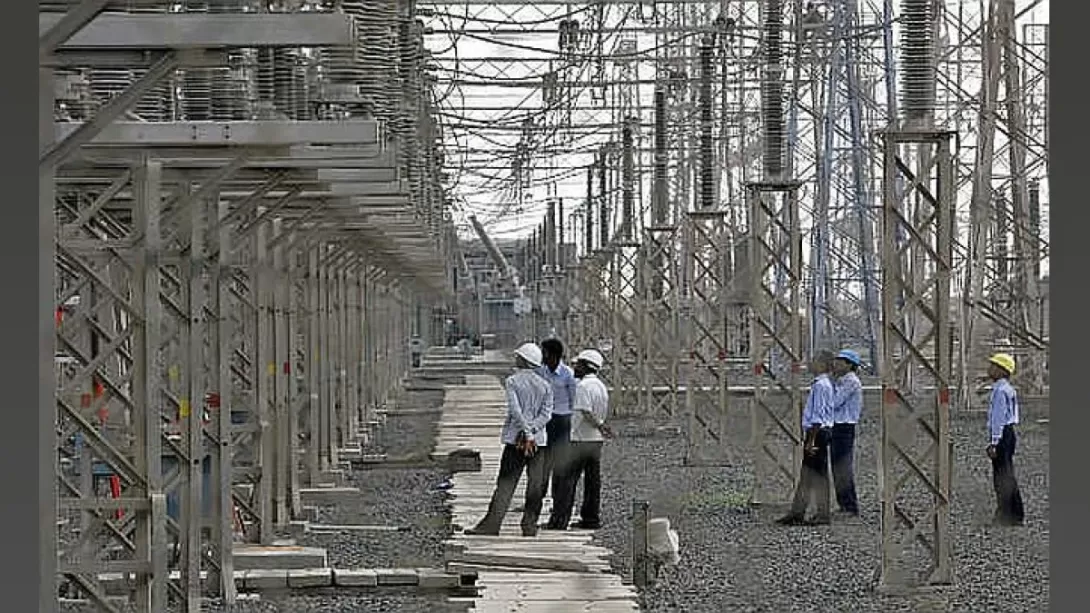
JSW Energy has launched an ambitious Rs. 16,000 crore greenfield thermal power project in Salboni, West Bengal—marking the company’s largest investment in a single initiative to date. The project, which will feature two ultra-supercritical units totaling 1,600 MW, promises to be among India’s most capital-efficient power installations. This move underscores the group’s strategic push into eastern India, aligning with the region’s rising power demand and untapped growth potential. Complementing this venture is a proposed 900–1,000 MW pumped storage project in Purulia, furthering JSW’s vision of integrating thermal and renewable storage into a cohesive 40 GWh national energy roadmap.
JSW Energy’s Largest Greenfield Power Plant Takes Shape
JSW Energy has officially committed Rs. 16,000 crore to its most ambitious power sector investment—a 1,600 MW ultra-supercritical thermal plant in Salboni, West Bengal. This project comprises two units of 800 MW each and is poised to become one of India’s most competitively built thermal plants in terms of capital cost, at Rs. 10 crore per megawatt. Speaking about the venture, JSW Energy’s Joint Managing Director Sharad Mahendra emphasized the project’s strategic value, noting that it marks the group’s first major presence in eastern India, where energy infrastructure lags behind more developed regions. The Salboni initiative also represents the fastest-executed power project in the company’s portfolio, with the foundation stone being laid just two months after its formal announcement in February 2025.
Power Demand Surge Positions Bengal as an Energy Investment Hotspot
Despite being a major industrial and cultural hub, West Bengal’s per capita power consumption remains nearly half the national average. However, with the state’s renewed focus on industrialization and urbanization, energy demand is forecast to double by 2035, from 60 billion units annually to 134 billion units, according to JSW Director (Finance) Pritesh Vinay. The company has already signed a Power Purchase Agreement (PPA) with the West Bengal government, securing offtake for the entire 1,600 MW output from the upcoming Salboni facility. The first unit is slated for commissioning within 42 months, with the second to follow six months later. At its peak construction phase, the project is expected to employ between 4,000 and 6,000 workers, eventually creating 800–1,000 permanent jobs in the region.
Bolstering Renewable Infrastructure with Pumped Storage Plans
In parallel with its thermal expansion, JSW Energy is exploring the development of a 900–1,000 MW pumped storage hydro project in Purulia, West Bengal. With a potential investment of Rs. 8,000–10,000 crore, this initiative aligns with JSW’s broader 40 GWh energy storage roadmap, which includes a mix of hydro and battery-based solutions. Company representatives confirmed that site visits have been completed, and discussions with the state government are ongoing. The proposed project aims to enhance grid stability and support intermittent renewable sources by storing surplus energy during low-demand periods and releasing it during peak consumption hours. This dual investment strategy—balancing thermal with storage—reflects JSW’s commitment to energy diversification and decarbonization, even as it strengthens its core generation capabilities.
A Broader National Vision: 18 GW Expansion Pipeline
The Salboni and Purulia projects are part of JSW Energy’s long-term plan to expand its operational capacity from 12.2 GW to 30 GW. The company is targeting a mix of conventional and green sources, with future capacity additions planned across India. JSW’s push comes at a time when India's energy sector is undergoing rapid transformation. With demand for both base-load and flexible power surging, projects that combine scale, efficiency, and strategic placement are poised to command high valuations in the years ahead. Additionally, the Salboni plant is expected to anchor the development of an industrial park in the vicinity—currently under evaluation—further amplifying the economic impact of the project.
Implications for Stock Market and Investors
While JSW Energy’s stock performance has remained stable in recent months, announcements of large-scale capex projects such as this typically boost investor confidence, particularly when backed by PPAs that assure revenue visibility. Moreover, the cost-efficiency of the Salboni plant at Rs. 10 crore per MW positions the company well compared to peers, potentially enhancing its long-term margins once operations commence. If the pumped storage initiative materializes, it could significantly enhance JSW’s ESG profile, which is increasingly relevant to institutional investors and sovereign wealth funds focused on sustainability-linked assets.
Conclusion: A Calculated Bet on Bengal’s Energy Future
JSW Energy’s dual-pronged investment in Salboni and Purulia signals a strategic recalibration toward India’s eastern corridor—an area often overlooked in past energy infrastructure development cycles. With rising demand, policy support, and abundant land availability, West Bengal is now emerging as a new frontier in India’s power narrative. For JSW Energy, this isn’t merely an expansion—it’s a calculated bet on future demand, grid modernization, and regional upliftment. Whether this move delivers the returns expected will depend on timely execution, regulatory continuity, and India’s continued economic momentum. But if early indicators are anything to go by, the Salboni project may well become a benchmark for how energy giants can build scale, sustainability, and strategy into one cohesive footprint.
Comments