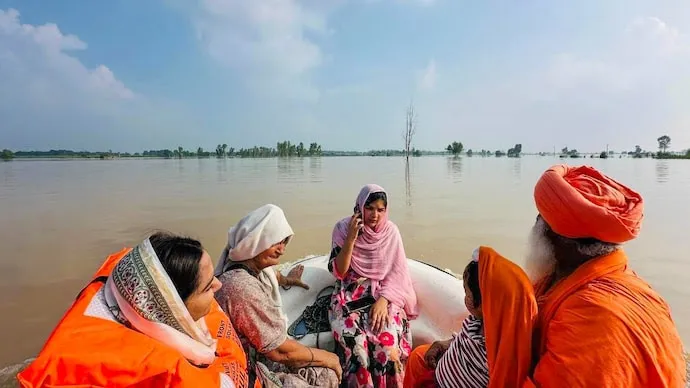
Severe flooding in Punjab has wreaked havoc across multiple districts, destroying homes, submerging farmland, and displacing thousands of residents. Torrential rains and overflowing rivers have transformed daily life into a struggle for survival, exacerbating economic losses and threatening livelihoods. Emergency services and government agencies are working to provide relief, but access challenges in submerged areas complicate rescue and aid distribution. Analysts warn that the floods’ long-term impact on agriculture, infrastructure, and local economies could be profound. The crisis underscores the urgency for disaster preparedness, innovative relief solutions, and coordinated efforts between authorities, communities, and private initiatives to mitigate the humanitarian toll.
Widespread Destruction
The recent floods have inundated homes, villages, and agricultural lands across Punjab, displacing families and damaging infrastructure. Many communities remain cut off due to submerged roads and bridges, making immediate relief efforts challenging. Residents report losing not only their homes but also personal belongings, livestock, and sources of income, highlighting the comprehensive impact of the disaster.
Humanitarian Response
The Punjab government, along with local authorities, has mobilized rescue teams, deployed boats, and utilized drone technology to deliver essential supplies to isolated villages. Relief materials, including food, clean water, and medicines, are being distributed to mitigate the immediate suffering. Analysts emphasize the importance of rapid, coordinated response to prevent further casualties and ensure equitable aid distribution.
Economic and Social Impact
Agriculture, the backbone of Punjab’s economy, has been severely affected, with crops submerged and livestock lost. Experts predict substantial economic losses, disruptions to local markets, and long-term implications for food security. Communities face the dual burden of physical reconstruction and economic recovery, making sustained support critical.
Lessons in Disaster Management
The floods underscore the need for enhanced disaster preparedness, resilient infrastructure, and early-warning systems. Officials and experts advocate for integrating technology, community engagement, and public-private partnerships to improve response efficiency and reduce the humanitarian toll of future calamities.
Conclusion
Punjab’s floods have left a trail of destruction, turning dreams into despair for thousands of residents. While emergency relief provides immediate support, long-term recovery and rebuilding will require comprehensive planning, resilient infrastructure, and collective efforts from authorities, communities, and private stakeholders to restore livelihoods and rebuild lives.
Comments