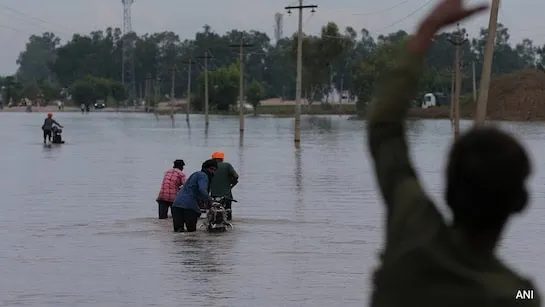
India’s 2025 monsoon season has emerged as one of the deadliest in recent years, with floods, landslides, and waterlogging causing widespread loss of life and property. Experts attribute the heightened impact to a combination of extreme rainfall events, urban infrastructure limitations, and climate-change-induced weather variability. Poor drainage systems, unplanned urbanization, and encroachment on floodplains have amplified the damage in densely populated areas. Meteorologists and disaster management authorities are urging better preparedness, early warning systems, and resilient infrastructure to mitigate future risks. The season underscores the urgent need for climate-adaptive urban planning and coordinated disaster response mechanisms across India.
Intensifying Rainfall Patterns
This year’s monsoon has seen unprecedented rainfall in several states, with localized cloudbursts and prolonged downpours overwhelming rivers and reservoirs. Meteorological data indicate a shift toward erratic, high-intensity precipitation events, linked to broader climatic anomalies such as rising sea surface temperatures and the Indian Ocean Dipole.
Urban Vulnerability
Cities have borne the brunt of flooding due to inadequate drainage networks, poor stormwater management, and encroachment on natural waterways. Urbanization without climate-resilient planning has magnified the hazards, turning routine rains into catastrophic events. Experts highlight that retrofitting drainage systems and adopting green infrastructure can significantly reduce urban flood risks.
Human and Economic Costs
The deadly monsoon has claimed hundreds of lives, displaced communities, and disrupted livelihoods. Agricultural regions have experienced crop losses, while industrial and transport sectors face economic setbacks. The compounded human and financial toll emphasizes the need for proactive disaster management and community-level preparedness.
Climate Change and Long-Term Trends
Scientists warn that such extreme rainfall events are likely to become more frequent due to climate change. Altered monsoon patterns, glacial melt, and rising atmospheric moisture contribute to unprecedented floods, requiring India to integrate climate resilience into national infrastructure and disaster mitigation policies.
Conclusion
The 2025 monsoon season demonstrates how intensifying rainfall, coupled with urban vulnerability and climate variability, can escalate into deadly disasters. Strengthening early warning systems, investing in resilient infrastructure, and promoting climate-adaptive urban planning are critical steps to safeguard lives and livelihoods in India’s monsoon-affected regions.
Comments