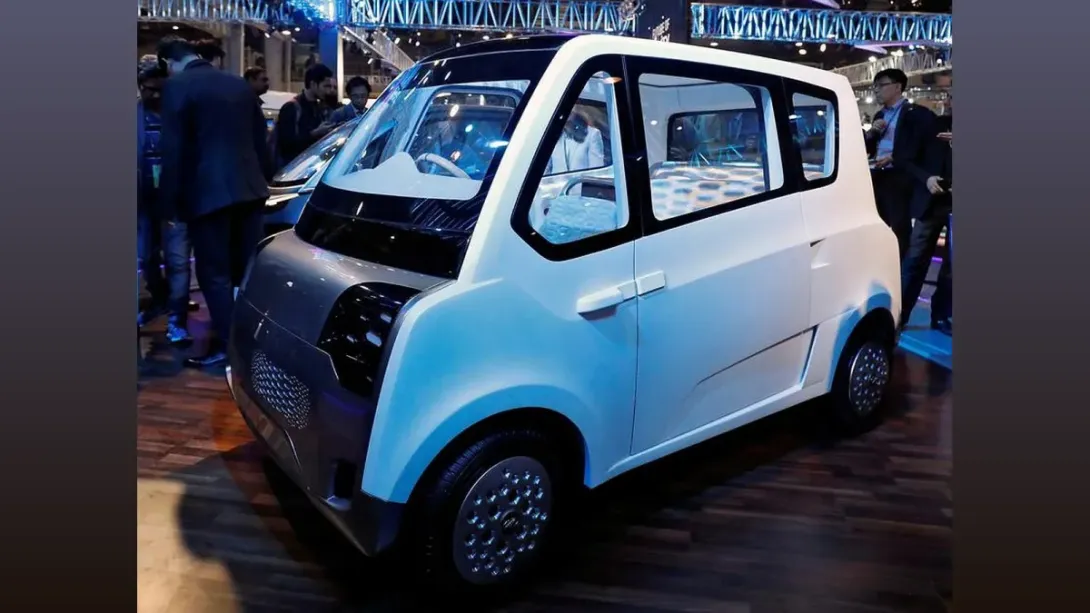
Tesla and SRAM are set to collaborate on building advanced electric vehicle (EV) battery manufacturing facilities, marking a significant development in the global clean energy and mobility ecosystem. The partnership is expected to strengthen supply chains, reduce reliance on imports, and accelerate the adoption of sustainable technologies. With Tesla’s expertise in EV innovation and SRAM’s manufacturing capabilities, the initiative will focus on scaling battery production to meet the surging demand for electric mobility worldwide. This move not only represents an industrial collaboration but also signals a step forward in shaping the future of energy storage and sustainable transportation.
---
A Strategic Alliance for Clean Mobility
The alliance between Tesla, a global leader in EVs, and SRAM, an established manufacturing player, is designed to address one of the most pressing challenges in the electric mobility sector—battery availability. Batteries represent the largest cost component of EVs, and ensuring a reliable, scalable supply is critical for reducing costs and expanding adoption. By building dedicated factories, the two companies aim to create a self-sustaining ecosystem for EV production.
---
Scaling Battery Manufacturing Capacity
The new facilities are expected to focus on high-performance lithium-ion batteries with enhanced energy density and longer life cycles. Advanced production lines will integrate automation, digital monitoring, and sustainable sourcing practices to ensure quality and efficiency. Analysts suggest that large-scale local manufacturing could lower production costs significantly, potentially reducing EV prices for consumers and enabling broader market penetration.
---
Strengthening Supply Chains and Reducing Import Dependence
At present, battery imports pose a challenge for many EV manufacturers, exposing them to price volatility and supply disruptions. By setting up localized factories, Tesla and SRAM are not only mitigating risks but also contributing to energy security. This strategy aligns with global efforts to strengthen domestic manufacturing, reduce carbon footprints, and promote sustainable industrialization.
---
Industry-Wide Implications
The collaboration is expected to have a ripple effect across the automotive and energy sectors. It will boost demand for raw materials such as lithium, nickel, and cobalt, potentially stimulating investments in mining and refining. Moreover, the creation of new battery plants will generate employment opportunities and support ancillary industries ranging from logistics to recycling. The initiative also highlights the importance of cross-industry partnerships in accelerating the global shift toward electric mobility.
---
Outlook
As the global transition to clean energy gains momentum, Tesla and SRAM’s partnership underscores the importance of innovation and industrial cooperation. By establishing EV battery factories, the companies are positioning themselves to meet growing demand while shaping the future of energy storage solutions. If executed effectively, the collaboration could set new benchmarks for cost efficiency, sustainability, and technological advancement in the EV sector, solidifying their role as key enablers of the electric mobility revolution.
Comments