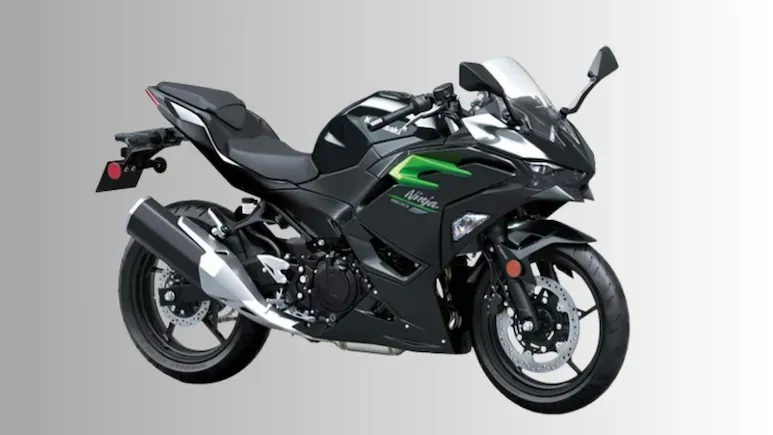
India’s motorcycle industry, one of the largest in the world, is undergoing significant realignment following the implementation of GST 2.0, a revamped indirect tax regime aimed at simplifying compliance and boosting government revenues. The new structure introduces revised tax slabs for two-wheelers, leading to price increases in premium segments and modest reductions for entry-level commuter bikes. While some manufacturers are optimistic about long-term benefits, the immediate impact includes fluctuating demand, strategic pricing adjustments, and pressure on margins. The policy shift is expected to influence consumer behavior, reshape competition, and accelerate innovation in an industry central to India’s mobility landscape.
Background: The Evolution of GST and Two-Wheeler Taxation
The original Goods and Services Tax (GST), introduced in 2017, was designed to create a unified tax structure across states, replacing a maze of levies such as excise duties, VAT, and octroi. While GST brought transparency and efficiency, the two-wheeler sector continued to face issues such as high tax rates and limited differentiation between commuter and premium motorcycles.
With GST 2.0, the government has reclassified motorcycles into clearer categories based on engine capacity and pricing, aiming to better align taxation with consumer affordability and environmental objectives. This reform is particularly critical as India remains the world’s largest two-wheeler market, with over 15 million units sold annually.
Revised Tax Slabs and Pricing Impact
Under GST 2.0, the two-wheeler segment has been split into three key brackets:
Entry-Level Motorcycles (up to 150cc):
- Tax rate reduced from 28% to 20%, benefiting commuter bikes such as those priced under Rs. 80,000.
- Example: Popular models like Hero Splendor and Bajaj Platina are expected to become more affordable, boosting rural and semi-urban sales.
Mid-Segment Motorcycles (151cc to 350cc):
- Tax rates remain largely unchanged at 28%, maintaining stability for mid-market offerings, including Royal Enfield Classic 350 and Yamaha FZ series.
Premium Motorcycles (above 350cc):
- Tax rate increased to 32%, impacting high-end bikes priced above Rs. 2.5 lakh, such as KTM, Triumph, and Harley-Davidson models.
The immediate effect has been a price drop of Rs. 3,000 to Rs. 6,000 for entry-level bikes, while premium motorcycles have become costlier by Rs. 15,000 to Rs. 25,000, depending on specifications.
Consumer Response and Market Dynamics
The price adjustments have sparked mixed reactions among consumers:
- Positive Uptake in Rural and Tier-2 Markets:
Lower prices for commuter motorcycles are expected to stimulate demand in rural areas, where motorcycles are often the primary mode of transportation. Analysts predict a 5% to 7% rise in sales in these regions over the next two quarters. - Cautious Spending in Premium Segment:
The tax hike for high-end bikes may dampen enthusiasm among aspirational urban buyers, leading to slower growth in the premium motorcycle market. Dealers report a temporary dip in showroom traffic for big bikes since the policy came into effect. - Shifts in Financing and EMI Structures:
Financial institutions are revising loan structures to accommodate the new pricing environment, particularly for budget-conscious buyers in the commuter segment.
Impact on Manufacturers and Industry Strategy
Motorcycle manufacturers are recalibrating their production strategies and marketing plans:
- Entry-Level Segment Expansion:
Companies like Hero MotoCorp and Bajaj Auto are ramping up production of commuter bikes to capture increased demand from price-sensitive buyers. - Innovation in Mid-Range and Premium Models:
Premium manufacturers are exploring strategies such as localized manufacturing and cost optimization to mitigate the impact of higher taxes and keep pricing competitive. - Inventory and Supply Chain Adjustments:
Dealers are carefully managing inventory levels to avoid mismatches caused by rapid price fluctuations and shifting consumer demand.
Economic and Policy Implications
The GST 2.0 reform has broader economic ramifications:
- Boost to Rural Economy:
Lower motorcycle prices in rural areas could stimulate consumption and improve mobility, indirectly supporting sectors like agriculture, retail, and logistics. - Revenue Generation for the Government:
While entry-level tax cuts may initially reduce collections, the government expects higher overall sales volumes and increased premium segment taxation to balance revenues. - Encouraging Sustainable Mobility:
Policymakers have signaled future plans to integrate electric two-wheelers into the GST framework, potentially offering tax incentives to accelerate adoption of cleaner transportation.
Challenges and Risks Ahead
While GST 2.0 is positioned as a progressive reform, several challenges persist:
- Short-Term Market Disruptions:
Sudden price changes have created temporary confusion among consumers and dealers, affecting sales momentum. - Compliance Burdens for Small Dealers:
Smaller dealerships may struggle to adapt to new filing requirements and digital invoicing standards under the revised GST system. - Potential Grey Market Activity:
Price disparities between states could encourage unregistered sales and parallel market transactions, particularly in premium segments.
Outlook: A Transformative Shift for the Industry
The full impact of GST 2.0 will become clearer over the coming quarters as manufacturers, dealers, and consumers adapt to the new landscape. Analysts anticipate steady growth in entry-level sales, slower momentum in premium segments, and increased focus on innovation and cost efficiency across the board.
In the long run, GST 2.0 has the potential to position India’s motorcycle industry on a more sustainable and competitive trajectory, balancing affordability for consumers with fiscal stability for the government.
Conclusion
The introduction of GST 2.0 marks a pivotal moment for India’s motorcycle sector. By realigning tax structures, the government aims to stimulate rural demand, streamline compliance, and prepare the market for future transitions, including electric mobility.
While challenges remain, particularly in the premium segment and compliance ecosystem, the reform sets the stage for a more resilient and dynamic industry. For manufacturers, policymakers, and consumers alike, this is both a test of adaptability and an opportunity to redefine India’s two-wheeler market in the coming decade.
Comments