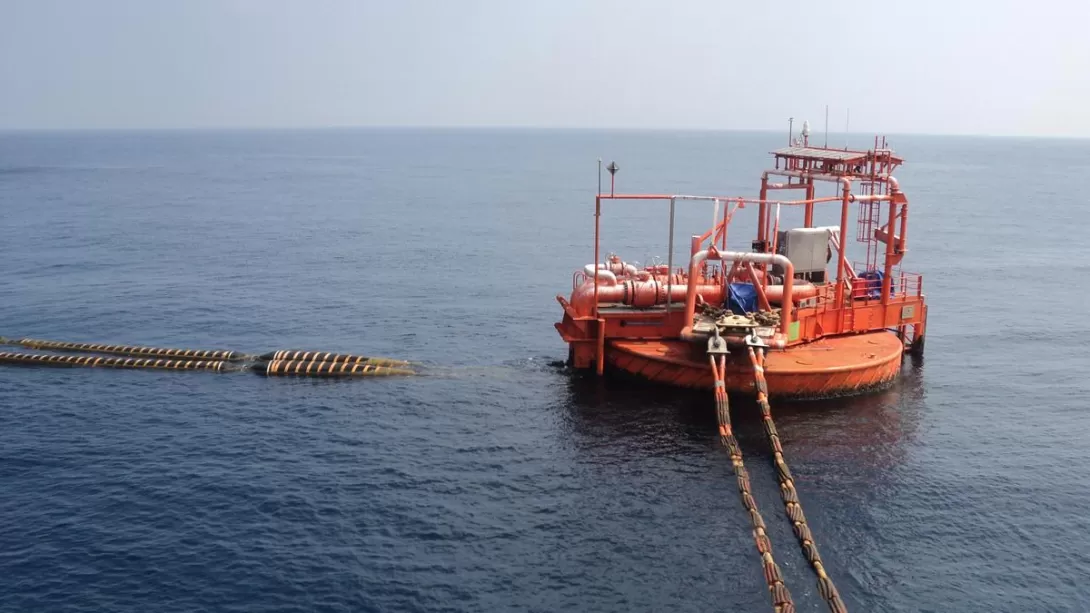
Global crude oil markets witnessed a sharp upswing last week as geopolitical friction between Iran and Israel escalated, sparking fears of a potential disruption in supply routes. Brent crude prices surged nearly 9%, briefly touching a five-month high of $78.50 per barrel, before easing slightly amid diplomatic overtures involving Gulf nations. Central to the volatility is Iran’s repeated threat to block the Strait of Hormuz—a critical maritime chokepoint through which a significant portion of the world’s oil flows. Markets remain on edge as the situation evolves, balancing geopolitical risk against potential diplomatic breakthroughs.
Iran-Israel Conflict Fuels Oil Price Volatility
The Brent crude benchmark rallied sharply last week, reacting to heightened tensions between Tehran and Tel Aviv. On Friday, June 13, prices surged approximately 9% to Rs. 6,320.63 ($75.65) per barrel, peaking intraday at nearly Rs. 6,563.33 ($78.50)—levels not seen in close to five months. The oil market’s sensitivity to geopolitical conflict, particularly in the Middle East, was once again underscored by the swift price action.
Market anxiety was partially alleviated on Monday, following reports that Iran had engaged Qatar, Saudi Arabia, and Oman to relay its willingness for a ceasefire to U.S. President Donald Trump—seen as a step back from immediate confrontation. By 8 p.m. that day, Brent futures were still elevated at Rs. 6,296.44 ($74.98), reflecting a 2.4% increase from Monday’s earlier levels.
The Strait of Hormuz: Strategic Oil Lifeline
At the core of the market’s reaction is Iran’s longstanding threat to shut down the Strait of Hormuz—a critical maritime corridor that connects the Persian Gulf to the Gulf of Oman and the Arabian Sea. This narrow passage is a vital conduit for global energy trade, with roughly 20% of the world’s petroleum passing through it daily.
Disruptions here would not only slow the movement of crude oil and refined products but also inflate shipping and insurance costs due to elevated geopolitical risk. Even brief closures or restricted traffic could have a ripple effect on global supply chains, pushing fuel prices higher and affecting inflation in energy-importing countries like India and China.
The Domino Effect of Chokepoint Disruptions
Chokepoints such as the Strait of Hormuz are pivotal in maritime logistics, particularly for commodities like oil and natural gas. If such routes are obstructed, even temporarily, the consequences cascade beyond simple delivery delays:
- Elevated Freight Costs: Reduced vessel movement raises charter and insurance premiums.
- Supply Chain Delays: Tankers may need to reroute through longer, costlier paths.
- Energy Market Inflation: Reduced supply or perceived risk drives speculative trading, amplifying price movements.
While some alternate routes exist, their feasibility is often limited due to increased transit times and restricted capacities. Hence, the threat of a blockade—even unfulfilled—can spike prices through speculative trading and supply chain hedging.
Diplomatic Levers and Strategic Responses
The involvement of Gulf nations like Qatar, Saudi Arabia, and Oman as intermediaries signals a possible shift toward de-escalation. These countries maintain nuanced relationships with both Iran and the West, positioning them as credible conduits for diplomacy.
For oil-importing economies, particularly those highly dependent on Middle Eastern energy, such as India, this development is being closely monitored. Any sustained increase in crude oil prices may adversely impact current account balances, domestic inflation, and policy space for central banks.
Additionally, energy companies and shipping insurers may recalibrate risk models and premiums for cargo transiting through high-alert zones. Global crude futures and related derivatives are expected to remain volatile as the situation unfolds.
Conclusion: High Alert in Energy Markets
The intersection of geopolitics and energy trade has once again thrust the Strait of Hormuz into the spotlight. While immediate conflict has been averted, the possibility of renewed flare-ups continues to loom. Markets will remain sensitive to signals from both Tehran and Washington, as well as from regional intermediaries attempting to broker peace.
In the interim, businesses and policymakers must account for sustained volatility in crude prices, reassess supply chain resilience, and prepare for potential scenarios in which oil flow is temporarily restricted or rerouted. The episode reinforces the enduring influence of geopolitical flashpoints on global economic stability.
Comments