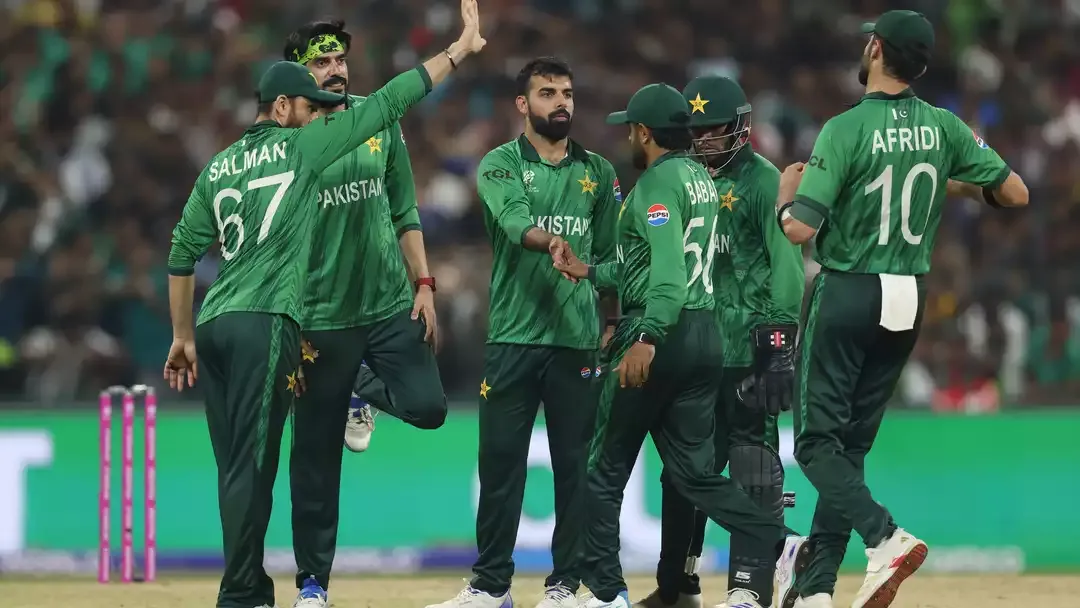
Despite being among the most gifted players in world cricket, Pakistani cricketers remain absent from the Indian Premier League, a tournament that has reshaped the global economics of the sport. This exclusion, rooted in geopolitical tensions rather than sporting merit, continues to influence player earnings, brand visibility, and competitive balance. As the IPL’s financial footprint expands and franchises increasingly scout global talent, the continued sidelining of Pakistan’s players raises questions about opportunity costs—for players, teams, and the league itself. The issue underscores how cricketing decisions are often shaped as much by diplomacy and commerce as by performance.
A Longstanding Separation from the IPL Ecosystem
Pakistan players last featured in the IPL during its inaugural season in 2008. Since then, evolving political relations between India and Pakistan have effectively closed the door on their participation. While no formal written ban exists, franchises have avoided Pakistani players, citing visa uncertainties and broader diplomatic sensitivities.
This absence has persisted even as the IPL has transformed into the world’s most lucrative cricket league, with franchise valuations running into several thousand crore rupees.
Financial Implications for Players and the League
From a business standpoint, the exclusion carries measurable consequences. Pakistani cricketers miss out on multimillion-rupee contracts, endorsement opportunities, and exposure to high-pressure franchise cricket that often accelerates career growth.
For IPL teams, the inability to access this talent pool narrows strategic options at auctions. Analysts argue that elite Pakistani fast bowlers and middle-order batters could command premium bids if made available, potentially reshaping team compositions.
Performance vs. Policy in Modern Cricket
On the field, Pakistan players continue to excel in international tournaments and global T20 leagues outside India. Their performances reinforce the view that cricketing considerations alone do not determine IPL participation.
This dynamic highlights a broader tension within global sports governance, where political realities frequently override market logic and competitive fairness.
The Road Ahead: Status Quo or Strategic Shift?
With the IPL cemented as a central pillar of cricket’s global economy, calls for depoliticizing player participation surface periodically but gain little traction. Administrators remain cautious, prioritizing stability over controversy.
For now, Pakistani players will continue to build careers elsewhere, while the IPL evolves without them. The situation stands as a reminder that in modern sport, talent alone does not guarantee access—policy, perception, and power often decide the final outcome.
Comments