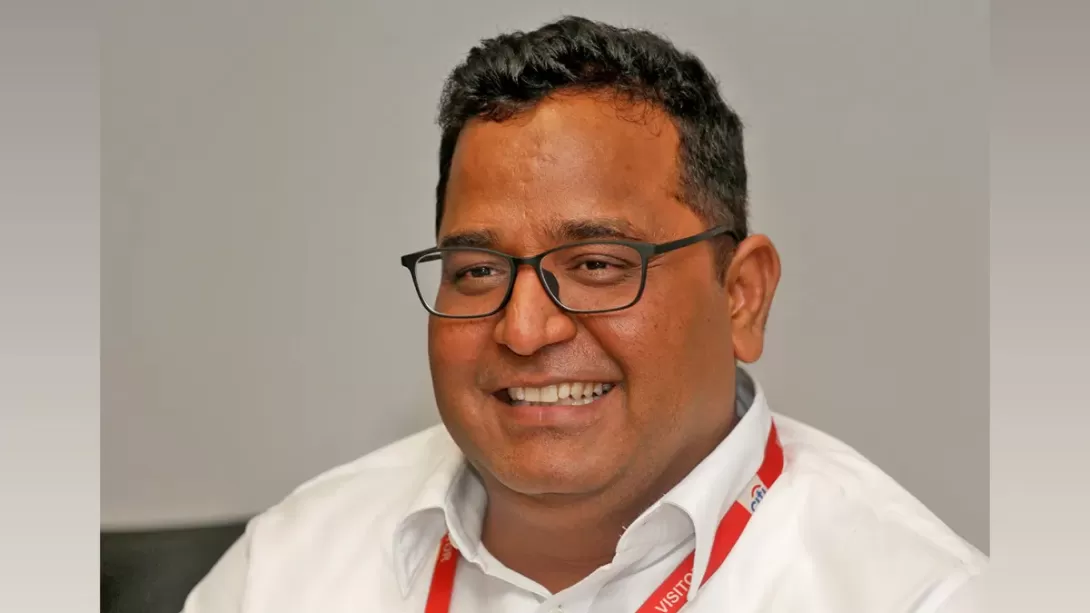
One97 Communications Ltd (OCL), the parent company of Paytm, along with its CEO Vijay Shekhar Sharma and his brother Ajay Shekhar Sharma, have reached a settlement with the Securities and Exchange Board of India (Sebi) regarding a case involving the company’s Employee Stock Options (ESOPs). The settlement includes a total payment of Rs 2.8 crore and the cancellation of ESOPs granted to the Sharma brothers. The case arose due to allegations about the improper allocation of ESOPs and misrepresentations in the company’s filings, prompting regulatory action and resulting in financial penalties.
The Settlement Agreement: A Financial Resolution
On Thursday, One97 Communications Ltd (OCL), the company behind the Paytm brand, announced that it had settled a regulatory dispute with the Securities and Exchange Board of India (Sebi) by paying a total of Rs 2.8 crore. This settlement pertains to the company’s Employee Stock Options (ESOPs) granted to its CEO Vijay Shekhar Sharma and his brother Ajay Shekhar Sharma. As part of the settlement, the two brothers agreed to cancel ESOPs they had previously received, and Vijay will also be prohibited from accepting any new ESOPs from any listed company for the next three years.
In addition to the Rs 2.8 crore settlement, the Sharma brothers and OCL were required to pay penalties for alleged violations surrounding the issuance of ESOPs. Vijay Shekhar Sharma voluntarily surrendered 2.1 crore shares worth approximately Rs 1,800 crore, while OCL and Vijay paid Rs 1.11 crore each, and Ajay remitted Rs 57.11 lakh to resolve the matter.
Background to the Allegations
The dispute began with a Sebi investigation into the eligibility of Vijay Shekhar Sharma to receive substantial ESOPs from OCL. In October 2021, the company granted 2.1 crore ESOPs to Vijay and 2.23 lakh ESOPs to Ajay in May 2022. Sebi’s examination revealed that Vijay was listed as a promoter of OCL in the company’s filings before FY 2020-21. However, just before the company filed its Initial Public Offering (IPO) documents in July 2021, Vijay had declassified himself as a promoter, which raised concerns.
The regulator alleged that the Sharma brothers had devised a strategy to circumvent the rules by transferring a portion of Vijay's equity to a family trust, which allowed him to maintain control over more than 10% of OCL’s equity. This, according to Sebi, enabled Vijay to secure an excessive number of ESOPs, potentially to the detriment of public shareholders.
Moreover, Sebi contended that OCL allowed these actions, which potentially violated the provisions of the Sebi (Share-Based Employee Benefits and Sweat Equity) regulations. Vijay’s position as the founder and Managing Director of OCL, coupled with his influence over the Nomination and Remuneration Committee, was seen as a conflict of interest when approving ESOPs for both himself and his brother.
Sebi’s Findings and Consequences
Sebi's investigation found several discrepancies in the disclosures made by OCL and the Sharma brothers in their IPO offer documents. Specifically, Vijay was erroneously classified as a non-promoter shareholder, and critical information such as his promoter contribution, lock-in period, and declarations to the stock exchanges were not disclosed properly, which is a violation of securities laws.
In response, Sebi ordered the cancellation of the ESOPs granted to both Vijay and Ajay. Furthermore, the regulator directed a disgorgement of Rs 35.86 lakh from Ajay, reflecting the sale proceeds from 3,720 OCL shares acquired through the exercise of these ESOPs. This was part of the regulatory response aimed at rectifying the perceived misuse of the ESOP scheme.
Implications for Corporate Governance and Regulatory Oversight
This settlement highlights ongoing concerns regarding corporate governance and the proper use of employee stock options within listed companies. Sebi’s actions underscore the need for strict adherence to disclosure norms, particularly when it comes to transactions involving promoters and their affiliates. The case serves as a reminder to companies and their executives about the importance of transparency in their dealings, especially during IPOs or other public offerings.
For Vijay Shekhar Sharma and OCL, this settlement brings an end to the regulatory probe but serves as a cautionary tale regarding the management of stock options and related disclosures. With the cancellation of the ESOPs and the financial penalties imposed, the company and its executives are now tasked with restoring investor confidence and ensuring future compliance with regulatory frameworks.
Conclusion: Regulatory Compliance and Corporate Responsibility
The settlement between One97 Communications and Sebi marks a significant moment in the ongoing evolution of India’s corporate governance landscape. While the penalties and cancellations may impact the Sharma brothers personally, the broader takeaway is the importance of maintaining regulatory compliance and transparency in corporate practices. As India’s financial markets continue to grow, this case will likely serve as a reference point for how companies should handle stock options, promoter disclosures, and investor protection mechanisms.
For OCL and its leadership, the path forward will involve increased scrutiny and an even greater commitment to adhering to the regulations governing listed companies in India. Ultimately, this case reinforces the need for corporate responsibility, particularly when dealing with issues that affect public shareholders and market integrity.
Comments