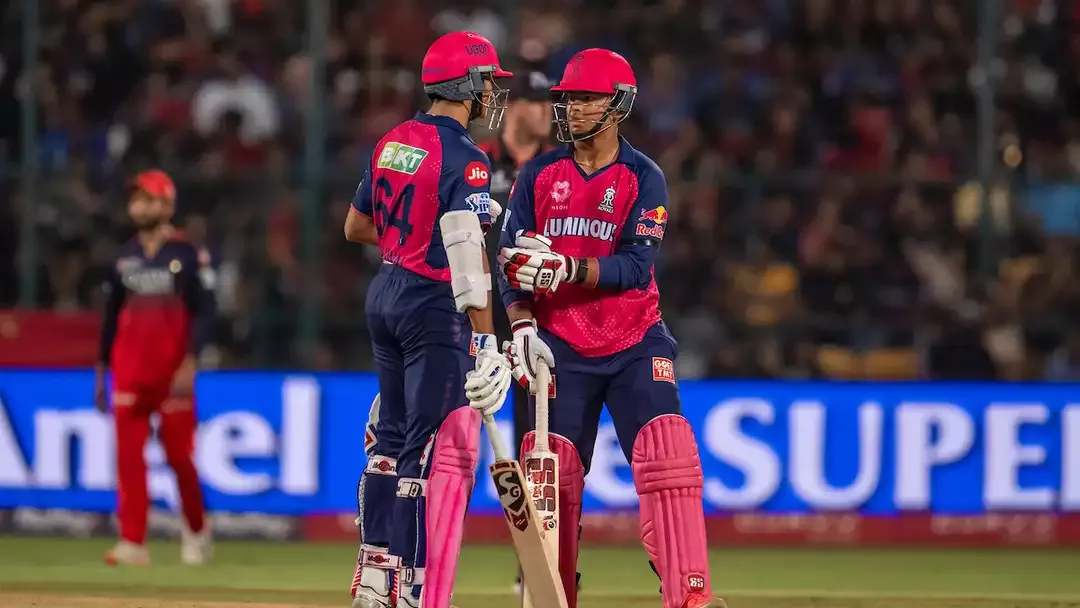
Rajasthan Royals are evaluating the possibility of relocating their home base to Pune for the 2026 Indian Premier League season, a move driven by logistical planning, infrastructure considerations, and long-term franchise strategy. The potential shift signals the franchise’s intent to secure a more stable operational environment amid evolving venue dynamics in Jaipur. While discussions remain exploratory, the proposal reflects broader trends in franchise sports, where teams increasingly balance tradition with commercial sustainability and facility readiness. If finalized, the shift could reshape fan engagement, revenue prospects, and regional influence for one of the league’s most recognized teams.
A Strategic Relocation Under Review
Rajasthan Royals’ contemplation of a move to Pune marks a pivotal moment for the franchise. Although the team has deep cultural and historical ties to Jaipur, the management is considering venue alternatives to ensure operational continuity for IPL 2026. Preliminary assessments indicate that Pune’s existing infrastructure, including stadium readiness and training facilities, offers a compelling alternative should complications arise at the Jaipur venue.
Infrastructure and Operational Considerations
One of the central factors driving this evaluation is stadium preparedness. The Royals have previously navigated venue-related disruptions, and ensuring a dependable home ground is critical for maintaining match-day revenues, fan engagement, and broadcast commitments.
Pune’s cricketing facility has a record of successfully hosting IPL fixtures, offering a modern, match-ready environment with clear logistical advantages. Its accessibility, seating capacity, and established event management systems contribute to its attractiveness as a potential home venue.
Balancing Identity and Long-Term Planning
While a move to Pune could provide operational stability, it also raises questions about brand continuity and regional identity. The Royals have built a dedicated fan base in Rajasthan, and any relocation requires careful communication to protect long-term loyalty.
Franchises today, however, often operate with hybrid models—leveraging alternate venues while maintaining cultural ties to their home state. A temporary or partial shift could allow the Royals to adapt without compromising their legacy.
Commercial and Fan Engagement Implications
A venue shift inevitably influences revenue streams, including ticket sales, corporate box partnerships, and merchandise distribution. Pune’s larger urban market and established sporting audience could open new commercial avenues for the franchise.
At the same time, maintaining engagement with Rajasthan’s supporters will remain essential. Digital outreach, regional events, and community programs could offset the physical distance, ensuring the fan base remains connected.
What This Means for IPL Dynamics
If the relocation materializes, it may prompt other franchises to reassess their long-term venue strategies. The IPL’s growth trajectory increasingly depends on world-class facilities, commercially viable markets, and adaptable franchise frameworks. The Royals’ evaluation reflects this evolution, highlighting how teams must balance tradition with pragmatic decision-making.
Conclusion
Rajasthan Royals’ exploration of Pune as their potential home for IPL 2026 underscores the complexities of modern franchise management. While no final decision has been made, the assessment reflects a forward-looking approach that prioritizes operational readiness, financial resilience, and strategic growth. Whatever the outcome, the process itself marks an important moment for the team as it navigates the ever-changing landscape of professional cricket.
Comments