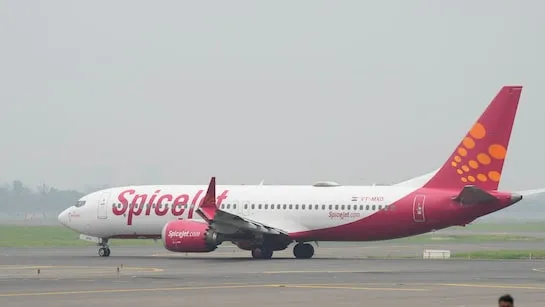
A SpiceJet flight bound for Leh was forced to return to Delhi shortly after takeoff after the crew detected a potential technical irregularity. The Boeing 737 aircraft, operating as flight SG121, turned back as a precautionary measure to ensure passenger safety. The aircraft landed safely in the national capital, and no injuries were reported. The incident underscores the aviation sector’s strict adherence to safety-first protocols, particularly on routes such as Leh that demand precise operational performance due to challenging terrain and high-altitude conditions. The airline has initiated standard technical inspections before clearing the aircraft for further operations.
Mid-Air Precaution Prompts Immediate Return
A SpiceJet Boeing 737 operating flight SG121 from Delhi to Leh returned to the departure airport shortly after takeoff following the detection of a possible technical issue.
According to aviation sources, the flight crew identified an irregularity minutes into the journey and opted to discontinue the climb as a preventive measure. The aircraft executed a safe return and landed without incident at Delhi’s Indira Gandhi International Airport.
There were no reports of injuries among passengers or crew, and the airline arranged for necessary assistance in line with standard operating procedures.
Safety Protocols in High-Altitude Operations
Flights to Leh require heightened operational vigilance. The destination airport, located in the Himalayan region, presents unique challenges including high elevation, variable weather conditions, and terrain-induced air currents. Aircraft operating on this sector must adhere to stringent weight, balance, and performance parameters.
Aviation experts note that any technical anomaly, however minor, warrants immediate review on such routes. Turning back under precautionary circumstances reflects established global aviation safety norms rather than mechanical failure.
Commercial airlines are mandated to conduct thorough inspections whenever a technical alert is raised mid-flight. Engineers will examine flight data, onboard systems, and cockpit indicators before the aircraft is cleared for service.
Operational and Financial Implications
While safety remains paramount, flight disruptions carry operational and financial implications for carriers. Diversions and returns can lead to cascading schedule adjustments, increased ground handling costs, passenger re-accommodation expenses, and potential compensation liabilities under aviation regulations.
For airlines operating on thin margins, technical delays can affect aircraft utilization rates — a key performance metric in commercial aviation economics. However, industry analysts emphasize that prioritizing safety preserves long-term brand credibility and regulatory trust.
SpiceJet, like other carriers in India’s competitive aviation market, operates in an environment where punctuality and cost efficiency are critical. Yet safety compliance remains non-negotiable under the Directorate General of Civil Aviation’s oversight framework.
Industry Context and Passenger Confidence
India’s aviation sector has witnessed rapid growth over the past decade, with domestic passenger traffic expanding significantly. As fleet sizes increase and route networks expand to remote and high-demand destinations, airlines face mounting operational complexity.
Incidents involving precautionary returns are not uncommon in global aviation and are generally viewed as evidence of functioning safety systems rather than systemic risk. Modern aircraft are equipped with advanced monitoring technology that alerts crews to even minor deviations in performance metrics.
For passengers, transparent communication and timely alternative arrangements play a crucial role in maintaining confidence.
Conclusion
The return of SpiceJet flight SG121 to Delhi highlights the aviation industry’s layered safety architecture, where precaution supersedes schedule adherence. In high-altitude operations such as the Leh sector, decisive cockpit judgment is critical.
While the technical assessment of the aircraft continues, the incident reinforces a fundamental aviation principle: operational caution is a strength, not a setback. In an industry built on precision and trust, safety-driven decisions ultimately safeguard both passengers and the long-term viability of air travel.
Comments