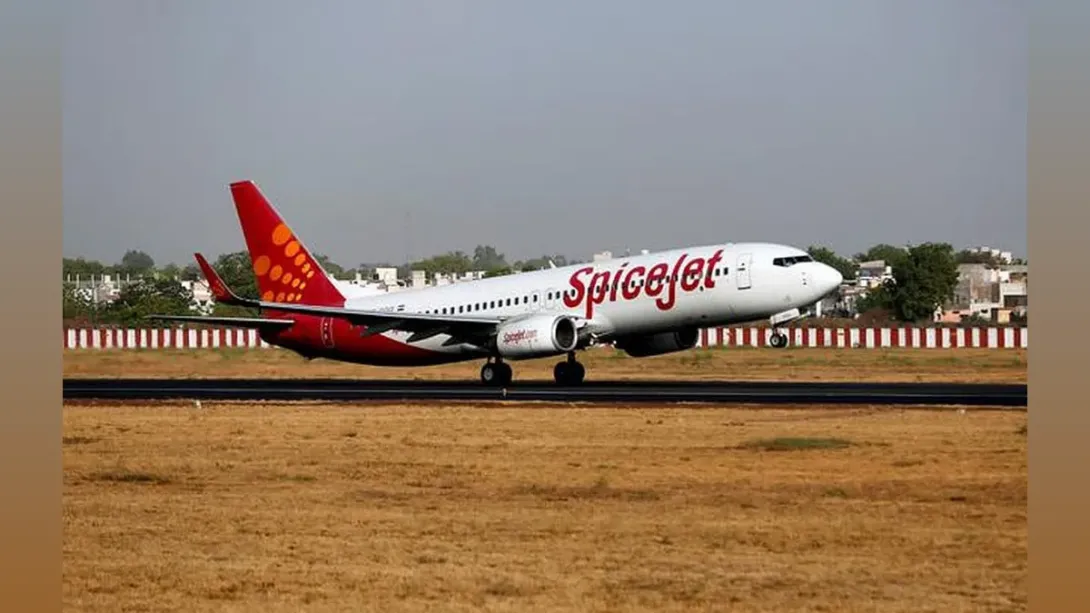
SpiceJet has announced plans to expand its fleet to 60 aircraft, signaling renewed growth ambitions after a period of operational and financial consolidation. The move is aimed at strengthening the airline’s network, improving capacity utilization, and capitalizing on rising air travel demand in India. Fleet expansion is expected to enhance connectivity across key domestic and regional routes while supporting revenue recovery. The strategy reflects improving confidence in market conditions and underscores SpiceJet’s intent to reassert its competitive position in a rapidly expanding aviation market.
Strategic Push Toward Capacity Growth
SpiceJet’s decision to scale up its fleet marks a pivotal shift from stabilization to expansion. By increasing the number of operational aircraft to 60, the airline aims to restore capacity lost during earlier disruptions and align itself with the strong rebound in passenger traffic.
Industry observers view the move as a calculated response to sustained demand growth, particularly in price-sensitive domestic travel segments where low-cost carriers play a dominant role.
Meeting Rising Demand in Indian Aviation
India’s aviation sector continues to post robust growth, driven by rising disposable incomes, improved airport infrastructure, and strong post-pandemic travel momentum. Domestic passenger volumes have surpassed pre-pandemic levels, creating pressure on airlines to add capacity.
For SpiceJet, fleet expansion offers an opportunity to deploy aircraft on high-density routes, improve flight frequencies, and capture incremental market share in an increasingly competitive environment.
Operational and Financial Considerations
Expanding a fleet is capital-intensive and requires careful execution. Beyond aircraft induction, airlines must manage costs related to maintenance, leasing, fuel, and crew availability. SpiceJet’s plan suggests greater operational visibility and progress in addressing past constraints related to aircraft availability.
Analysts note that sustained financial discipline will be critical to ensure that capacity growth translates into profitability rather than margin compression.
Competitive Landscape and Market Positioning
The Indian airline market remains highly competitive, with carriers aggressively expanding fleets and networks. In this context, SpiceJet’s move is as much about defending relevance as it is about growth.
By scaling operations, the airline can improve economies of scale, enhance route economics, and strengthen its position against both established rivals and newer entrants.
Outlook: Growth With Caution
While the fleet expansion plan signals optimism, execution risks remain. Fuel price volatility, currency movements, and regulatory costs continue to influence airline profitability. However, strong demand fundamentals provide a supportive backdrop.
If managed prudently, SpiceJet’s expansion to 60 aircraft could mark the beginning of a more stable growth phase—one that balances ambition with operational resilience in one of the world’s fastest-growing aviation markets.
Comments