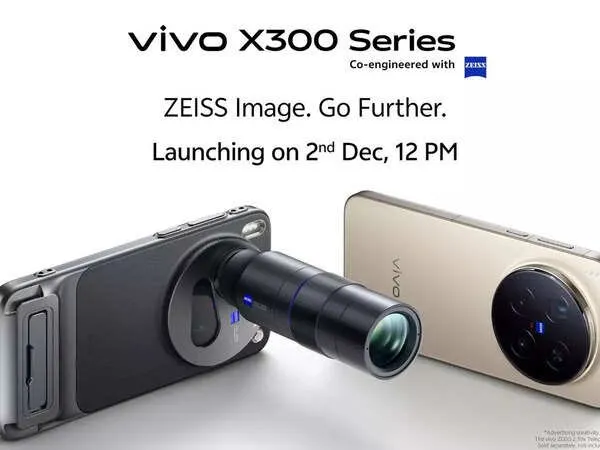
Vivo has introduced the X300 and X300 Pro, two flagship smartphones positioned to strengthen the company’s premium portfolio through enhanced imaging capabilities, powerful hardware, and refined design. The new series focuses heavily on computational photography, upgraded sensors, and next-generation performance improvements. With competitive pricing, the X300 lineup targets users who demand high-end camera output, efficient multitasking, and long-term reliability. The devices are expected to intensify competition within the upper-tier Android market, where innovation cycles are accelerating and consumer expectations continue to rise. Vivo aims to leverage its imaging partnerships and engineering upgrades to differentiate the X300 series from rival offerings.
---
A Refined Step Forward in Vivo’s Flagship Strategy
Vivo’s X300 and X300 Pro mark a deliberate evolution in its high-end smartphone division, merging design sophistication with advanced imaging technology. The company has positioned the devices to appeal to consumers who prioritize photography and multimedia performance without compromising on speed or battery life.
Both models share a sleek form factor, precision engineering, and an upgraded display system focused on brightness, color accuracy, and eye comfort. Vivo’s intent with the X300 series is clear: to elevate user experience through balanced performance and noticeable real-world enhancements.
---
Expected Pricing and Market Positioning
Although the company has yet to finalize regional pricing, early indications suggest the X300 will target the mid-premium segment, while the X300 Pro is expected to command a higher price due to its flagship-grade camera system and enhanced performance features.
Market expectations place the X300 at approximately Rs. 45,000–Rs. 55,000, with the X300 Pro likely entering the Rs. 60,000–Rs. 75,000 bracket depending on configuration. This pricing strategy sets Vivo up for direct competition with established premium devices from Samsung, OnePlus, Xiaomi, and Google.
---
Display and Performance Enhancements
The X300 series features a next-generation AMOLED display with high refresh rates designed for smooth scrolling, dynamic gaming, and optimal media consumption. The panels deliver superior peak brightness and improved contrast ratios, making them suitable for both indoor and outdoor usage.
Under the hood, the devices are powered by the latest flagship-grade chipset, promising better thermal efficiency, accelerated app performance, and robust AI processing. This combination enables smoother multitasking, reduced lag, and enhanced productivity across workflows.
---
Camera Capabilities: The Core of the X300 Series
Photography sits at the heart of the new lineup. The X300 and X300 Pro incorporate advanced optical technology supported by upgraded image processors.
The X300 Pro is expected to include a high-resolution primary sensor with improved low-light performance, optical image stabilization, and sophisticated portrait modes. Meanwhile, the standard X300 offers a similarly capable camera system tailored for everyday photography, social media creation, and travel content.
Both models are likely to continue Vivo’s emphasis on computational photography, delivering sharper images, clearer night shots, and more consistent color reproduction.
---
Battery Life, Charging, and Software Experience
The devices are equipped with high-capacity batteries built for all-day usage, complemented by fast-charging technology to minimize downtime. Vivo’s software layer, based on the latest Android version, adds intelligent power management, customizable features, and a cleaner interface for improved efficiency.
Enhanced security measures, extended software updates, and long-term reliability further position the X300 series as a compelling choice for premium users.
---
What to Expect Going Forward
With the X300 and X300 Pro, Vivo aims to refine its presence in the global premium smartphone space. The company is expected to highlight the series’ imaging prowess, performance stability, and feature-rich design in its marketing campaigns.
As the devices reach broader availability, analysts anticipate strong interest from photography enthusiasts, professionals, and consumers seeking value-rich flagship alternatives.
Comments