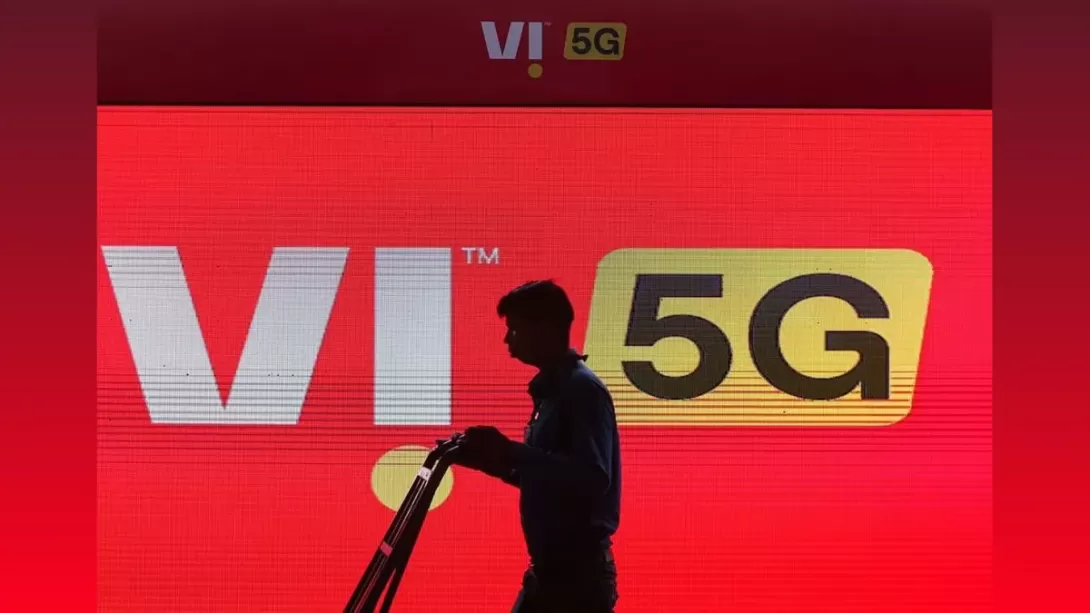
Vodafone Idea (Vi) is set to significantly expand its 5G footprint with the launch of next-generation services in Delhi-NCR on May 15, marking a critical milestone in its nationwide rollout strategy. The telecom operator aims to activate 5G across 17 strategic circles by August, following recent launches in Mumbai, Chandigarh, and Patna. As part of its Rs. 55,000 crore capital expenditure plan over three years, Vi is rapidly deploying advanced technologies including AI-driven network management and energy-efficient infrastructure. The company is also offering unlimited 5G data to eligible users, positioning itself competitively in India’s evolving digital landscape.
Delhi-NCR Joins Vodafone Idea’s Expanding 5G Network
Vodafone Idea announced that it will roll out 5G services in the Delhi-National Capital Region on May 15, furthering its phased launch strategy targeting high-priority urban markets. The addition of Delhi-NCR follows previous launches in Mumbai in March and in Chandigarh and Patna in April, strengthening Vi’s presence in some of India’s most commercially significant regions.
This rollout is part of a broader ambition to establish a comprehensive 5G footprint across all 17 circles where the company has acquired spectrum rights. The full deployment is expected to be completed by August 2025.
Strategic Investment and Infrastructure Development
The 5G rollout forms a central component of Vodafone Idea’s Rs. 55,000 crore capital expenditure commitment over the next three years. A significant portion of this investment is earmarked for building robust network infrastructure capable of supporting advanced mobile technologies and improving service quality.
In the Delhi-NCR region, Vi has partnered with Ericsson to develop an energy-efficient and lightweight 5G network. This includes the integration of cutting-edge hardware and the use of AI-powered Self-Organising Network (SON) systems designed to optimize traffic flow and network performance in real-time.
Technology and Architecture: Focus on Flexibility and Efficiency
Vodafone Idea’s 5G network is based on Non-Standalone (NSA) architecture, which enables interoperability between 4G and 5G networks. This hybrid approach ensures users experience seamless transitions and uninterrupted connectivity as they move between different coverage zones.
The deployment of AI-backed SON technology adds an additional layer of intelligence to Vi’s infrastructure, allowing for dynamic network adjustments, reduced operational costs, and improved user experience. These systems are essential for scaling 5G networks in dense urban environments such as Delhi.
Consumer-Centric Offers to Encourage Adoption
To incentivize early adoption, Vodafone Idea is offering unlimited 5G data to users with compatible devices on plans starting at Rs. 299. This move reflects an aggressive pricing strategy aimed at attracting data-intensive users and competing directly with other telecom giants already entrenched in the 5G market.
The company’s offer is expected to appeal particularly to users in metro areas where 5G-compatible smartphones are more prevalent and data consumption is higher.
Roadmap Ahead: Bengaluru and Beyond
Following the Delhi-NCR rollout, Vi has indicated that Bengaluru and Mysuru are among the next cities scheduled to go live with 5G services. Rollouts are already in progress across other key locations in the remaining circles. This broad-based expansion reflects Vi’s intent to reassert its presence in the highly competitive Indian telecom sector.
While the company faces formidable challenges, including intense price competition and legacy debt burdens, its renewed focus on infrastructure and technology positions it for a potential resurgence—provided execution remains swift and effective.
Conclusion
Vodafone Idea’s 5G rollout represents more than a technological upgrade—it marks an attempt at strategic reinvention amid a challenging market landscape. With a blend of forward-thinking partnerships, targeted investments, and consumer-centric pricing, Vi is laying the groundwork for a more competitive stance in India’s telecom ecosystem. Whether these efforts translate into sustained performance will depend on the operator’s ability to scale efficiently and deliver consistent service quality across its newly upgraded network.
Comments